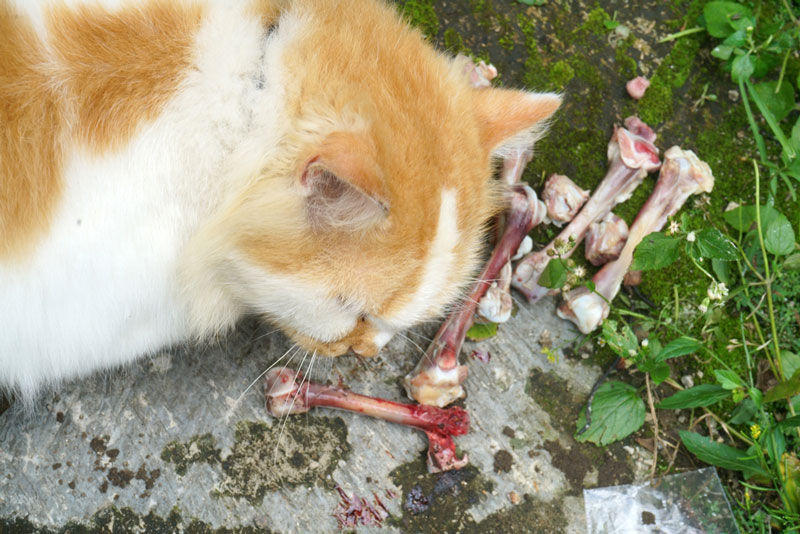
Can cats eat chicken bones? It’s a question that many cat owners find themselves asking, especially when they see their furry friends eyeing a leftover chicken wing with great interest. The short answer is no, cats should not eat chicken bones. While it might seem tempting to share a tasty treat with our felines, chicken bones can pose some serious health risks to them.
When we think about feeding our pets, we want to ensure that we are giving them safe and nutritious options. Chicken bones, particularly when cooked, can splinter and become sharp, leading to potential choking hazards or even damage to their digestive system. This is important to keep in mind as we navigate the menu choices for our beloved pets. So while cats might be curious and eager to nibble on that tasty chicken bone, it’s in their best interest to steer clear.
As we explore more about why chicken bones can be dangerous for our cats, we’ll also look into alternatives and what makes a healthy diet for our furry friends. Stick around as we uncover the ins and outs of feline nutrition, and you might find some great insights on how to keep your cat happy and healthy.
You might also be interested in: Can Cats Eat Fish Bones?
Can Cats Eat Chicken Bones?
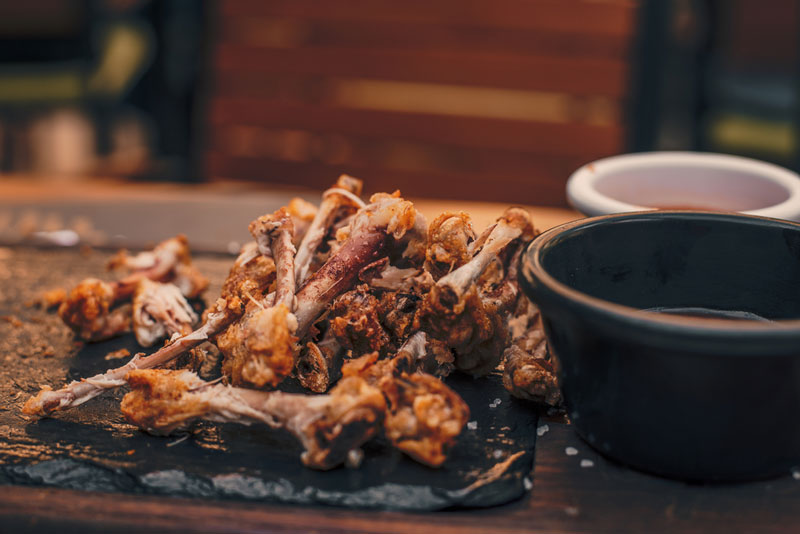
When we consider the dietary needs of our beloved feline friends, safety is a major priority. While we might think that cats can enjoy the same elements of our meals, chicken bones are not one of them. Cats can eat chicken meat, as it’s actually a great source of protein and valuable nutrients. However, the bones that accompany that meat present dangers that we must take into account.
Cooked chicken bones can easily splinter. This is particularly true for smaller bones, such as those found in wings and thighs. Once they splinter, sharp pieces can cause tears in the cat’s mouth or throat. Even if they manage to swallow without incident, these bones can create blockages in the digestive tract—leading to more serious complications. That is not something any cat parent wants to see happen!
So what happens if our curious cats manage to get a hold of a chicken bone? They may chew and chomp on it, but this isn’t safe. If you suspect that your cat has eaten a chicken bone, it’s important to monitor them closely for symptoms such as vomiting, lethargy, or signs of pain. If any unusual behavior emerges, consulting a veterinarian is always the smart choice. Our furry pals depend on us to keep them healthy, and understanding their dietary needs is essential to that mission.
How Much Chicken Bones Can Cats Eat?
The question of how much is just as critical as whether or not they should eat chicken bones at all. The truth is that there are no safe amounts of chicken bones for cats. In fact, it is best to avoid them entirely. If a cat has established a taste for deleterious chicken bones, recognizing the potential harm they can cause is vital for their well-being.
Let’s consider the kinds of bones we might encounter. Raw bones, including chicken bones, may be somewhat safer than their cooked counterparts—though they still carry some risk. There are those who follow the raw food or “BARF” diet for their pets, which stands for “biologically appropriate raw food.” This diet may include raw chicken, along with raw bones. However, while this diet may work for some pet owners, we must really think about the risks of bacteria and safety of the bones involved.
When it comes to feeding our cats, it’s best to prioritize the bones and treats that won’t bring about health problems or detrimental outcomes. Instead of giving our cats chicken bones, we can treat them with high-quality commercial cat food that meets their unique nutritional needs. Veterinarians often recommend food specifically designed for cats, which will give them the proteins and nutrients they need without the risks associated with bone fragments.
How much is enough, then? Cats need a balanced and varied diet, including protein, fats, minerals, and vitamins. Deciding how much food to give our cats can depend on their size, age, and activity level. Many cat food manufacturers provide guidelines on the back of the package indicating the serving sizes based on these factors.
In the end, we are responsible for the health and happiness of our feline companions. It’s a wise idea to follow a proper feeding schedule that incorporates appropriate portions of cat food—and avoid the temptation of chicken bones, so our cats aren’t exposed to unnecessary risk!
Benefits Of Chicken Bones To Cat
1. Safe Nutrition: While cats should not eat chicken bones, the benefits of offering them safe alternatives are numerous. By avoiding risky chicken bones, we reduce the chance of choking or internal injuries. Safe options like specially formulated cat food provide all the nutrition our cats need, promoting their health and longevity.
2. Dental Health: Chewing on bones can lead to problems for cats. The splinters can harm their teeth, and other issues may emerge with excessive chewing. Instead, we can investigate dental treats designed to support our cat’s oral health, leading to cleaner teeth and fresher breath.
3. Increased Energy: With a balanced and healthy diet, our cats are likely to be more energetic and active. Proper nutrition supports their physiological needs and can help in maintaining a healthy weight, allowing them to engage more in play and exploration. A well-fed cat is often a playful and happy cat!
4. Fewer Vet Visits: By providing our cats with a safe and nutritious diet, we reduce the chances of health complications stemming from dangerous foods—like chicken bones. A consistent, healthy diet can lead to fewer trips to the vet, saving us time and money while also ensuring our cats stay healthy.
5. Bonding Moments: Feeding our cats can also be an opportunity for bonding. Engaging with them by offering safe and healthy treats not only promotes their well-being but also fosters the connection we share. It’s heartwarming to see them enjoy the treats we’ve chosen for them!
Dangers Of Chicken Bones To Cats
When it comes to feeding our cats chicken bones, understanding the risks and dangers is a must. We cannot simply ignore the potential hazards that accompany those seemingly innocent bones.
One of the most significant concerns with chicken bones is the risk of splintering. As we mentioned earlier, when cooked, chicken bones can easily break apart and form sharp shards. These shards can cause cuts and tears in the throat or stomach, leading to a painful experience for our furry friends. If a cat does manage to swallow a piece, it may create a blockage that results in serious digestive issues. In some cases, that can even lead to surgery—something that no cat owner would want to face.
As we think about the dangers of feeding our cats chicken bones, we should also consider the risk of choking. Just like with small children, when cats ingest something they shouldn’t, they may choke. This can occur if a cat tries to chew on a bone that’s too large or if it gets lodged in their throat. Acting quickly is essential if such a situation arises, and knowing how to perform the Heimlich maneuver on a cat could save a life.
Beyond those immediate concerns, it’s also important to remember that some chicken bones could harbor bacteria, especially if they’ve been sitting out or improperly stored. Bacteria such as Salmonella can lead to serious illnesses in both pets and humans. While our cats may have stronger stomachs than we do, we still don’t want them to risk their health by consuming unsafe food.
Another aspect we must consider is our cats’ individual reactions. Some cats may simply not be able to tolerate certain foods, and their digestive systems might react adversely. Devastating outcomes can happen from feeding a seemingly harmless treat. We should always pay attention to our cats’ behavior and well-being, as they can provide us with clues about how safe their food choices are.
Substitute Of Chicken Bones For Cats
1. Store-bought Cat Treats: Instead of providing chicken bones, we can opt for cat treats that are designed for our feline friends. Many companies create treats that contain proteins and nutrients cats need without any danger. Check the packaging for ingredients that meet our cats’ dietary needs.
2. Raw Meat: If we’re feeling adventurous and want to offer our cats something a little different, we could consider raw meats instead. Always consult with a veterinarian about the best practices for offering raw foods. This can provide nutrition while keeping our furry companions much safer.
3. Cooked Chicken Meat: Instead of giving our cats bones, offering them cooked chicken meat—carefully stripped of any bones—provides an excellent protein source without the risks associated with bones. Just make sure it is plain and free of seasonings.
4. Fish: Many cats adore fish! If your cat enjoys the taste, fish can be a fantastic alternative to chicken bones. Just be cautious of the bones in fish too! Always prepare fish carefully, ensuring that it is cooked and that the bones are removed. Always choose low-mercury options like salmon and sardines.
5. Veggies: Some cats might enjoy small bits of certain vegetables—though we should remember that cats are obligate carnivores. However, small amounts of cooked carrots or peas can be fun, safe snacks to offer occasionally. Always introduce new foods slowly and with care.
Can Cats Eat Chicken Bones? Frequently Asked Questions
What Happens If My Cat Eats A Chicken Bone?
If your cat eats a chicken bone, it’s essential to keep an eye on them. Look for signs of choking, vomiting, or unusual behavior. If you’re concerned, seeking veterinary advice is always the best course of action.
Are Raw Chicken Bones Safe For Cats?
Raw chicken bones might not splinter the same way as cooked bones, but there are still risks involved. Always consult with a veterinarian before adding raw bones to your cat’s diet.
Can Kittens Eat Chicken Bones?
It’s not safe for kittens to eat chicken bones either. Kittens are even more vulnerable to health issues due to their small size, so it is advisable to stick with safe, age-appropriate foods.
What Can I Do Instead Of Giving My Cat Chicken Bones?
Instead of chicken bones, we are can offer our cats commercially prepared cat food, safe meat options, and cat treats designed to meet their dietary needs.
How Can I Keep My Cat’s Teeth Clean Without Bones?
Maintaining your cat’s dental health can be accomplished through regular dental treats. Additionally, consider brushing your cat’s teeth with special toothpaste designed for felines.
Final Thoughts
As we reflect on the notion of sharing our meals with our furry companions, safety should always be at the forefront of our minds. The dangers associated with chicken bones are too significant to overlook, and finding alternative ways to feed our cats can help keep them happy and healthy. By choosing safer food options, we can ensure that our cats live long and joyful lives, free from the risks tied to things like chicken bones.
Your cat deserves the best! If you want to learn more about safe foods for pets, check out our other blogs like this one on cats and sardines with bones. Keep exploring for more great advice!