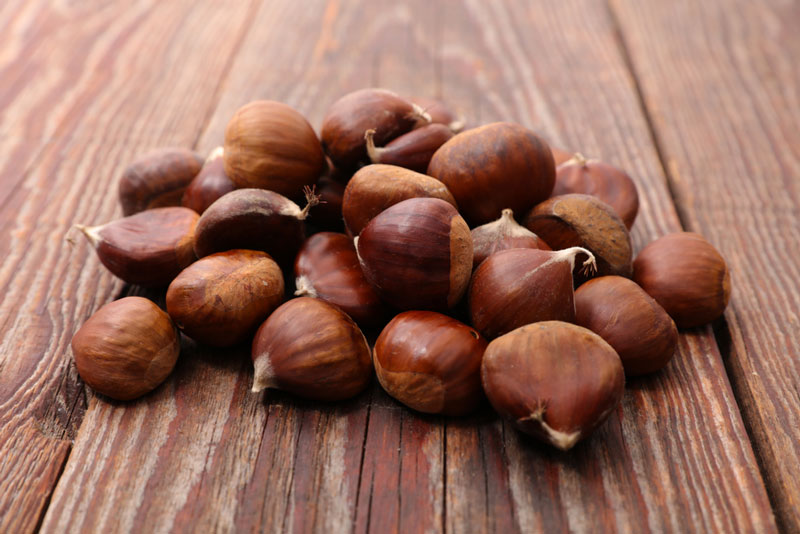
Have you ever found yourself wondering, can cats eat chestnuts? It’s a pretty interesting question, isn’t it? The simple answer is: Yes, but it’s not the best snack choice for our furry friends! Cats are obligate carnivores, meaning their diet primarily consists of meat. While chestnuts aren’t toxic to cats, their digestive systems aren’t equipped to handle high-carbohydrate foods. So, should we be offering our feline companions a bite of our roasted chestnuts during the holiday season? Probably not!
Chestnuts are packed with nutrients like fiber, vitamins, and minerals, but they don’t align well with a cat’s dietary needs. Although they might be safe to consume in small amounts, there’s not much benefit for our whiskered pals. Instead, we might want to focus on nature’s menu for them, with a mix of high-protein and low-carb goodies. If you’re curious about how chestnuts can affect your cat and whether they should have them at all, keep reading!
We’ll explore the ins and outs of cats and chestnuts, including how much they should eat, any potential benefits or risks, and some tasty alternatives that will keep your kitty happy and healthy. Grab a comfy seat and let’s embark on this engaging journey together!
You might also be interested in: Can Cats Eat Peanut Butter?
Can Cats Eat Chestnuts?
Chestnuts can definitely pique our curiosity, especially when we sit around the bonfire or family gatherings munching on these crunchy delights. When it comes to our feline friends, the first thing to remember is that cats are obligate carnivores. This means their bodies thrive on meat and they have a hard time processing grains and high-carbohydrate foods. Chestnuts are not toxic to our furry companions, but they don’t offer any essential nutrients that cats need. If a cat happens to nibble on a small piece of chestnut, it won’t cause severe harm. However, most veterinarians suggest steering clear of these nuts in general.
Let’s talk about what makes chestnuts appealing. They are sweet nuts, often roasted to perfection, which can give off an enticing aroma. They contain protein, fiber, vitamins like B6, and minerals such as magnesium. While these elements are great for humans, our cats digest food differently and simply do not convert these nutrients as efficiently. Most importantly, the carbohydrates in chestnuts can lead to digestive discomfort in cats, resulting in unpleasant side effects like upset stomach or diarrhea.
How Much Chestnuts Can Cats Eat?
Alright, so let’s discuss how much is too much when it comes to our feline friends and chestnuts. If a cat sneaks a couple of bites, it might not be a cause for panic. However, giving them chestnuts intentionally should be done with caution. A good rule of thumb is to limit any treats to about 10% of their daily caloric intake. This means that if you are feeding your pet a specific amount of wet or dry food daily, the chestnuts should remain as just a tiny fraction of that overall diet.
That said, if we’re thinking about including chestnuts in your cat’s diet, moderation is the key. A small piece a few times a month, maybe after being mashed or steamed, could be tolerable to some cats. Still, it would be wise to introduce chestnuts to your kitty slowly, monitoring their reactions closely. If they show any signs of stomach pain or discomfort like vomiting or diarrhea, it’s best to dismiss the idea entirely and focus on a meat-based diet instead. This also brings us to why it’s essential to consult with our veterinarians anytime we’re considering new or unusual additions to our pets’ diets.
Importantly, while humans can enjoy a plethora of chestnut-based dishes like chestnut soup or praline, these are not suitable for cats. They may contain added ingredients that could be harmful, like onion or garlic, which can be toxic to cats. So, let’s focus on keeping our furry friends safe and sound by sticking with their typical diet. We can always enjoy the deliciousness of chestnuts ourselves, while ensuring our beloved cats stick to the menu that best supports their health!
Benefits Of Chestnuts To Cats
1. Fiber: Surprisingly enough, despite the limited benefits of chestnuts for cats, they do contain a decent amount of fiber. Fiber is often mentioned in discussions about weight loss and digestion. While cats primarily need protein, a small amount of fiber can help support their digestion, but be careful. Our kitties typically get enough fiber in their regular diet as long as they are eating high-quality cat food, so this element might not be necessary to introduce through other sources like chestnuts.
2. Vitamins and Minerals: Chestnuts provide some vitamins and minerals that are beneficial to humans. For instance, vitamin C and various B vitamins can contribute to overall health. However, cats are already capable of synthesizing many of the vitamins they need, and thus, chestnuts don’t offer much additional value to them. While a snack may seem healthy, it is vital that our cats receive their vitamins and minerals from specific sources tailored for them instead.
3. Prevents Obesity: The health benefits of fiber are generally helpful in managing a cat’s weight by preventing obesity. Since kitties sometimes have weight issues, ensuring they receive enough animal protein and the proper amount of fats can potentially keep them from hogging down chestnuts or other unhealthy snacks. Cats are typically predators that enjoy calculated, protein-rich meals. This can also indirectly help maintain their health by keeping them satisfied with the right food.
4. Low in Fat: Chestnuts are low in fat, which could make them an appealing choice for snacking. However, with so many healthy alternatives available for cats that provide more nutritional benefits, like lean meats or even some safe vegetables, there’s no real reason to include low-fat nuts in their diet when we can easily feed them a high-quality wet or dry food designed specifically for feline friends.
5. Bonding Moment: Imagine having a special treat you could offer to your cat that acts as a bonding moment. While chestnuts are not that perfect option, sometimes just sharing a treat can help reinforce a bond with our pets. It’s important to remain attentive to our cats’ needs and build positive experiences with them.
Dangers Of Feeding Chestnuts To Cats
Let’s face it, even though chestnuts are often seen as a healthy snack for humans, they come with their own set of risks when it comes to our feline friends. One of the main concerns is the relatively high carbohydrate content found in these nuts. Cats have a digestive system that isn’t suited for processing carbs in significant amounts, and things can go south quickly. Overloading their system with more carbohydrates than they can handle may lead to tummy troubles, including vomiting and diarrhea. We wouldn’t want our little friends to feel badly just because we thought they could join in on our nutty snack.
Another point worth mentioning is the risk of choking. Chestnuts are firm nuts and can be a little too hard for our cats to chew properly. If they don’t chew enough or attempt to gulp them down, the danger of choking could present itself, and nothing is scarier than worrying about our furry buddy having trouble. In general, it’s better to stick with food that is naturally softer and easy for them to chew. Even with cooking or roasting, the texture might be off for them and could still lead to choking.
Additionally, if your kitty has a sensitive stomach or pre-existing digestive issues, introducing nuts like chestnuts is likely to be a recipe for disaster. Cats with these problems will have a hard time managing any kind of high-fiber snacks too. While we all want to be well-intentioned pet owners, it’s vital that we look out for what truly meets their needs, and for some, chestnuts simply don’t fit in the equation!
Let’s not forget allergies! While rare, some cats can develop sensitivities and allergies to certain foods, including nuts. If you’ve never tried giving your cat chestnuts or other nuts before, doing so comes with some element of risk. We want to ensure we’re not putting our furry companions at risk of an allergic reaction that could lead to itching, swelling, or even more severe outcomes. If you see any unusual signs after providing a new treat, such as hives or trouble breathing, reach out to your veterinarian immediately.
Lastly, as devoted pet parents, we must keep in mind that the importance of a balanced and appropriate diet leads to a longer, healthier life for our felines. While it may be fun to sample food together, sticking to pet-safe options will always prove to be the better choice for our lovely companions.
Substitute Of Chestnuts For Cats
1. Meat-based Treats: Instead of offering chestnuts to our cats, let’s look towards meat-based treats! Chicken or turkey can make delightful snacks for our feline friends. These delicious options not only entice their taste buds but also provide the protein they crave. We can cook them lightly and cut them into tiny pieces for easy chewing.
2. Fish: This is another excellent alternative when it comes to cat treats. Tuna or salmon (canned in water, not oil) can be a tasty addition to their diet. Most cats will leap for joy at the smell of fish, which gives us a powerful bonding moment with them during snack time. Just be cautious, as too much fish can also lead to health issues.
3. Plant-based Option: If you’re looking for a plant-based option that’s safe for cats, consider certain fruits like cantaloupe or watermelon. Cats often enjoy the sweet, juicy flavors of these fruits. It’s best to remove any seeds or rinds, and offer them in small bites to ensure they can enjoy without the fear of choking.
4. Vegetables: Minimal vegetables like cooked carrots or peas can provide a crunch without compromising our cat’s diet. These veggies can deliver some beneficial vitamins while still being easy on their stomachs. Remember to cook them lightly to make them softer to chew!
5. Yogurt or Liver Treat: Small amounts of plain yogurt or freeze-dried liver treats can also prove to be a hit! The yogurt serves as a calcium boost, and the freeze-dried liver is packed with nutrients all while being an enjoyable treat. Just don’t forget to aim for those pet-safe options without added flavors or sugars that we might find in our own snacks!
Can Cats Eat Chestnuts? Frequently Asked Questions
Are Any Types Of Chestnuts Safe For Cats?
All varieties of chestnuts, including sweet and bitter versions, typically aren’t recommended for cats. While not universally toxic, they have no real nutritional value and can lead to some tummy troubles.
Can Chestnuts Be Harmful To Cats?
While also not toxic, chestnuts can cause gastrointestinal issues for cats. We must be vigilant about any negative reactions and witness what happens when cats try new snacks, ensuring we prioritize their health.
What Should I Do If My Cat Eats Chestnuts?
If your kitty accidentally ate a chestnut, simply keep an eye on them for signs of distress. If they display vomiting, diarrhea, or other abnormal behaviors, reach out to your veterinarian without hesitation.
Can Any Other Nuts Be Safe For Cats?
Most nuts, including peanuts, almonds, and walnuts, can be unhealthy for cats. They are not toxic per se, but they can cause digestive issues. Better to play it safe and stick with pet-safe treats!
Are There Special Foods Cats Should Never Eat?
Yes! Foods such as onions, garlic, chocolate, grapes, and raisins, should always be kept far away from our cat’s reach. Lots of these foods are toxic, and it’s important to prioritize their safety!
Final Thoughts
In conclusion, while the thought of sharing delicious chestnuts with our feline friends may seem like a fun idea, it is essential to remember our kitties are built differently and thrive on a diet primarily consisting of meat. It’s crucial to understand the risks and limitations when considering this nut as a treat for them. Instead, we can offer healthier, meat-based alternatives that cater to their dietary needs and keep them happy and healthy!
As always, if you’re curious about more pet-related topics, feel free to explore more about what other foods are safe for our furry friends at Huston Veterinary Blog. You can also check out some interesting insights on whether cats can eat walnuts. Keeping our pets informed is invaluable, and we are always here to find the best choices for our beloved companions!