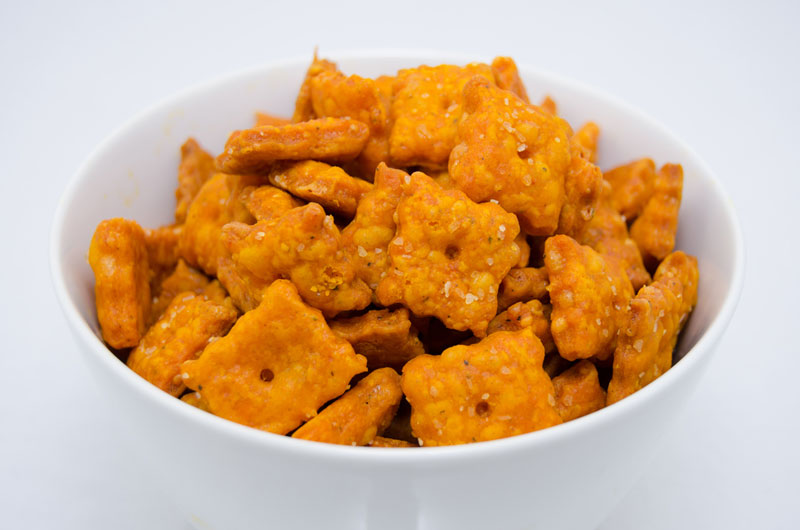
Have you ever wondered if your fluffy feline friend can munch on a Cheez-It? It’s a common question among pet owners who can’t resist sharing a snack with their furry buddies. The short answer is, while Cheez-Its are not toxic to cats, they shouldn’t really be part of their diet. Now, before you panic and hide those cheesy crackers, let’s take a closer look at this popular snack and whether it’s a good idea for kitties.
Many of us enjoy snacking on Cheez-Its, but our cats have very different dietary needs than we do. Cats are obligate carnivores, which means they require meat in their diet to get all the nutrients they need to thrive. So, even though a Cheez-It won’t harm your cat in small amounts, it doesn’t offer any of the protein or vitamins a cat’s body craves. It’s a bit like us trying to live on popcorn; tasty in small doses, but not great for our health overall!
So stick around! Together, we will explore all the ins and outs of whether cats should be nibbling on Cheez-Its, including how much is too much, the potential dangers involved, some alternative treats that are healthier, and frequently asked questions. Let’s embark on this cheesy adventure together and make sure our feline friends stay happy and healthy!
You might also be interested in: Can Cats Eat Ritz Crackers?
Can Cats Eat Cheez-Its?
We’ve all seen those cute cat videos where a kitty is nibbling on various human snacks, including Cheez-Its. It might seem amusing, and there’s no doubt that our furballs can be curious about what we eat. However, when it comes to Cheez-Its, we need to keep in mind that what might be a delightful treat for us is not exactly beneficial for our pets.
Cheez-Its are primarily made up of cheese, which many cats enjoy. The ingredients typically include wheat flour, cheese, oil, and salt. However, cats don’t really digest cheese well since most adult cats are lactose intolerant. What this means is that they can’t break down lactose— the sugar found in milk— and this could lead to tummy troubles like diarrhea or upset stomach if they get too carried away with cheesy snacks.
The reality is that while a small taste may not result in immediate harm, Cheez-Its should only be an occasional treat rather than a regular part of their diet. Cats need a protein-rich diet tailored to their nutritional needs. We should focus on providing them with food that ensures they’re getting the essential nutrients they need to thrive.
How Much Cheez-Its Can Cats Eat?
Now that we have established that our furry friends can technically eat Cheez-Its, let’s discuss the amount that is safe for them. It’s essential for us to control what we share with our cats, both for their health and to avoid any unwanted surprises later on, if you catch my drift! So how much is too much?
When it comes to treats, a general rule of thumb is that they should only comprise about 10% of your cat’s daily caloric intake. For example, if you have a medium-sized cat that requires around 250 calories a day, then limiting treats to about 25 calories should be our goal. A single Cheez-It is around 20 calories, which means one could easily exceed our treat calorie plan if we’re not careful. In this case, it might be better to provide a quarter of a Cheez-It instead of a whole one!
As we consider how many Cheez-Its to offer, it’s also wise to introduce any new treats gradually. Start with a small piece and observe your cat for any negative reactions. Some cats might be more sensitive than others, and the last thing we want is an upset belly from too much cheesy goodness.
Remember, moderation is key! While it can be fun to share a snack here and there, keeping our pet’s diet focused on what’s best for them will ensure they’re happy and vibrant. If we’re ever in doubt about what they should be eating or how much, it’s always a good idea to consult our trusted vet for advice.
Benefits Of Cheez-Its To Cats
1. A Taste of Variety: One of the joys of pet ownership is sharing experiences, including snacks! Sharing a Cheez-It can provide our feline friends a little variety. Cats can often get bored with the same kibble day in and day out, and a little change could make mealtime or treat time more exciting.
2. Cheese Flavor: Many cats are intrigued by cheese. The taste and smell of Cheez-Its might intrigue our pets enough for them to come closer to us. That little twinkle in their eyes when they see us munching on snacks is hard to resist! Plus, the cheese gives a short boost of energy—just like it does for us.
3. A Fun Bonding Experience: Treating our pets to a special snack can create memorable moments. Watching our cat enjoy something off-limits brings us joy, and it’s an opportunity for bonding. Just don’t let this turn into a habit or we’ll end up with some fluffy little snack-monsters!
4. Safe in Small Quantities: As mentioned earlier, Cheez-Its aren’t toxic to cats. If they happen to steal one when our backs are turned, it’s typically okay as long as it is in moderation. Keeping a little stash of cheese-flavored snacks can occasionally enrapture your feline family members.
5. Curiosity’s Reward: When we give our cats something new to try, like a tiny piece of Cheez-It, it aligns with our role as caretakers, providing mental excitement. Cats that experience new textures and flavors may become more engaged and open to exploring a variety of enriching food options in the future.
Dangers Of Feeding Cheez-Its To Cats
As we celebrate the cheeky moments our cats might have with Cheez-Its, we also need to recognize the potential risks associated with allowing them to snack on these cheesy treats. It’s crucial for us to have a thorough understanding of what could go wrong.
First up, we have the issue of lactose intolerance. Many cats cannot properly digest dairy, and Cheez-Its do contain cheese. If your cat indulges in too many, they may experience gastrointestinal upset, leading to things like vomiting or diarrhea. Nobody wants that for their kitty!
Then there’s sodium overload. Cheez-Its are relatively high in sodium, which isn’t ideal for feline health. High salt consumption can lead to increased thirst, urination, and in severe cases, could contribute to heart issues or kidney problems over time. If our cats develop a taste for salty snacks, they could choose junk food over their proper meals, causing an unhealthy shift in their diet.
Beyond that, we also have allergenic reactions. Some cats can develop an allergy or intolerance to wheat or other ingredients found in Cheez-Its. If your cat shows signs such as itching, excessive grooming, or digestive issues, we need to take a step back and evaluate what they’re eating.
Lastly, we cannot forget about obesity. Cheez-Its are calorie-dense and not inherently nutritious for cats. Regularly treating them to human snacks might lead to unwanted weight gain, which in turn can contribute to a host of health problems in the long run. Maintaining a healthy weight for our furry companions is as vital as giving them love!
Substitute Of Cheez-Its For Cats
1. Crunchy Treats: If your cat seems curious about Cheez-Its, try crunchy cat treats designed specifically for their dietary needs. There are many flavors available, including chicken, tuna, and salmon, that your kitty will go gaga for!
2. Freeze-Dried Chicken: Another excellent alternative is freeze-dried chicken. This snack is pure protein and aligns perfectly with what our cats need. Plus, many cats go absolutely bananas for the flavor!
3. Homemade Cat Treats: For the more adventurous among us, we could explore making our own cat treats! With a simple recipe using tuna or chicken, we can create more nutritious options without worrying about the downsides of processed snacks.
4. Catnip: Not all treats have to be food! Catnip offers a delightful way for our cats to indulge, play, and satisfy their curiosity without the risks associated with junk food. Plus, it gives them an energy burst that could lead to some adorable antics!
5. Vegetables: Some cats enjoy a bit of veggies, like cooked carrots or peas, in small amounts. These wouldn’t be anywhere close to replacing their diet, but as a very occasional treat, they can be a fun snack—just ensure they are cooked and chopped into bite-sized pieces.
Can Cats Eat Cheez-Its? Frequently Asked Questions
Can Cheez-Its Cause Allergies In Cats?
It is possible for cats to develop allergies to certain ingredients found in Cheez-Its, such as wheat or cheese. It’s essential to observe our cats after introducing any new snack. If they exhibit signs like itching or digestive distress, we should eliminate that food from their diet.
What Should I Do If My Cat Eats A Whole Box Of Cheez-Its?
If our cats happen to indulge in more Cheez-Its than we’d like them to, monitor them closely. If any unusual behavior occurs, like vomiting or lethargy, it’s wise to call the vet. Chances are they may be fine, but it never hurts to check.
How Often Can I Treat My Cat With Cheez-Its?
Cheez-Its should not be a regular treat. Treats, in general, should not make up more than 10% of their caloric intake. Limit Cheez-Its to very infrequent occasions to keep their diet balanced and healthy.
Are There Healthier Options For Cats?
Absolutely! There are plenty of healthy treats designed specifically with cats in mind. For instance, crunchy cat treats made from real meat, freeze-dried raw options, or homemade cat snacks are great alternatives so we can share our love without compromising their health.
Should All Cats Try Cheez-Its?
Not all cats will enjoy or tolerate Cheez-Its, especially those with lactose intolerance or sensitivities to grains. As pet parents, we should always prioritize our cats’ health and needs over our desire to share snacks. It’s best to know each individual cat’s preferences and dietary restrictions before offering new treats.
Final Thoughts
So, can cats eat Cheez-Its? The answer is yes, they can nibble on a Cheez-It occasionally, but moderation and caution are vital in ensuring they are safe and healthy. Our furry friends rely on us to provide them with the best nutrition possible, and that includes limiting their intake of human snacks that might not suit their dietary needs.
With that being said, let us celebrate our cats and the joy they bring to our lives! For every moment of fun we can share with them, there’s an opportunity to bond and enrich their lives with better choices. If you’re curious about other cat-related topics, check out our insightful post on pet health and tips or learn about just how dangerous chocolate can be for our furry friends in our article on cats and ketchup. Keep our little companions healthy and happy for years to come!