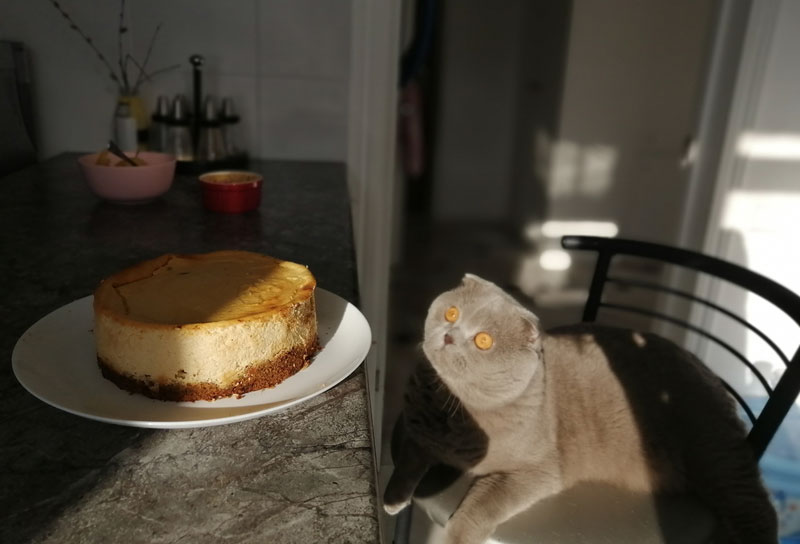
Have you ever wondered, can cats eat cheesecake? The answer is a cautious no. While it may seem like a delicious treat, cheesecake contains ingredients that can be harmful to our furry friends. Cats, being obligate carnivores, don’t naturally digest dairy products very well, which is a major concern when it comes to food like cheesecake. So, let’s pop the lid off this sweet conundrum and explore why cheesecake isn’t the best snack for our whiskered companions.
It’s always fun to share food with our pets, and sometimes we might think that a tiny bite of our favorite dessert won’t hurt them. Cats are curious creatures and may show interest in what we’re eating. It’s important to remember, though, that not all human foods are safe for them. Cheesecake, with its creamy texture and sweet taste, can be tempting for cats, but that doesn’t mean it’s suitable for their diet.
If you’re curious about the effects of cheesecake on your feline friend or want to find safer alternatives, then stick around! In this article, we’ll explore everything you need to know about cats and cheesecake, including risks, substitutes, and answers to commonly asked questions. Your cat will thank you later!
You might also be interested in: Can Cats Eat Goat Cheese?
Can Cats Eat Cheesecake?
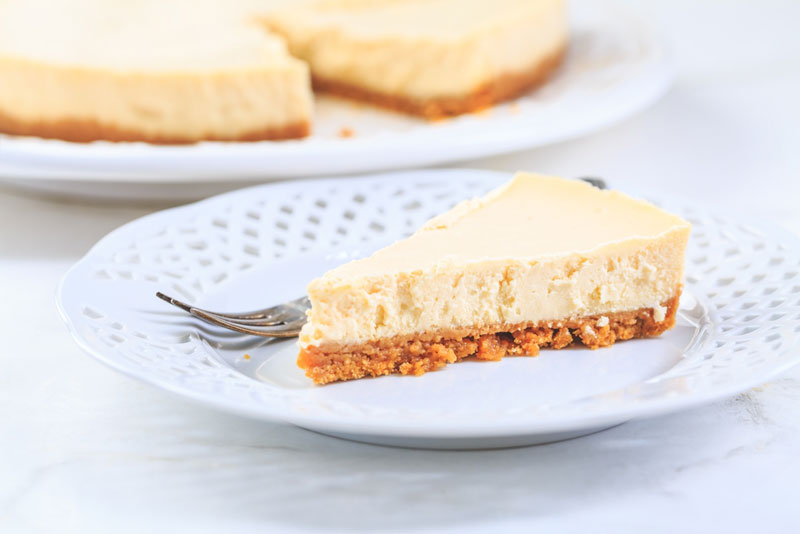
As we mentioned, cheesecake is something that we definitely should keep away from our cats. The ingredients that make cheesecake so delightful for us can actually be quite troublesome for our feline friends. Most cheesecakes contain cream cheese, sugar, and sometimes other ingredients like chocolate, fruit, or flavorings—all of which can lead to various health issues in cats.
Let’s break this down a bit. Cats lack certain enzymes necessary to digest lactose, the sugar found in milk and milk products, including cream cheese. This can lead to an upset stomach, diarrhea, or even vomiting. But that’s not all! The sugar content in cheesecake can spike a cat’s blood sugar levels, leading to even more problems, especially for those pets that may already have diabetes. We must think of our cats’ health and remember that what is delicious for us can be dangerous for them.
How Much Cheesecake Can Cats Eat?
If a cat sneaks a tiny lick or bite of cheesecake, they might be okay momentarily, but moderation is crucial. However, the question of how much cheesecake a cat can eat is tricky, as it’s best to avoid it altogether. We have to consider their overall health and well-being. While a small taste might not cause immediate harm, feeding your kitty cheesecake regularly can lead to serious complications.
It is important for us to understand the potential consequences when cats consume human food. Each cat is different, and some may have more sensitive stomachs than others. For instance, a small, curious kitty might only nibble on a fragment of cheesecake and show no symptoms at all, while another may suffer from gastrointestinal distress. We want to be the responsible pet owners who look out for our pets, don’t we?
Instead of giving our cats cheesecake, we should be focused on a proper diet tailored to meet their specific nutritional needs. Quality cat food is designed to ensure they get the vitamins, minerals, and nutrients they need to thrive. If you want to give your cat a special treat, consider safe options that are designed specifically for cats. Why not try some freeze-dried meat? Cats love it, and it keeps their health intact!
Let’s remember that when we celebrate birthdays or special moments, we should have separate treats for our lovely cats. That way, we can enjoy our cheesecake guilt-free while ensuring that our furry friends have their happiness too.
Benefits Of Cheesecake To Cats
1. As whimsical as cheesecake sounds, there are no benefits to feeding it to cats. The only thing they may enjoy is the sweet taste, which isn’t suitable for their dietary needs.
2. However, doing away with cheesecake means we can look for healthier alternatives! Cats need protein-rich foods, which offer energy and sustenance. Treats that focus on meat or fish provide cats with what they need for optimal health.
3. Another benefit of avoiding human desserts is that it encourages us to invest time in making homemade cat treats! You can find recipes that include ingredients like chicken or tuna, all while ensuring they are healthy and enjoyable for our cats.
4. Minimizing human food consumed by cats also strengthens our bond. When we set boundaries, we help them understand what is safe and what isn’t. This can lead to a more trusting relationship as they rely on us for their needs.
5. Lastly, steering clear of cheesecake helps keep our furry companions from developing long-term health issues such as obesity. Keeping our cats healthy and happy should always be our priority!
Dangers Of Feeding Cheesecake To Cats
We’ve discussed that cheesecake is not safe for cats, but let’s dive deeper into the risks and potential dangers involved. One of the major concerns is gastrointestinal upset. Cats can show symptoms like vomiting, diarrhea, or having an upset stomach if they consume dairy products. This is often due to their inability to properly digest lactose.
Another issue is weight gain. Cheesecake is high in calories and sugar, which, if consumed, can lead to obesity. Obesity in cats can lead to a myriad of other health issues like joint problems, diabetes, and a decrease in overall health. We all want our kitties to be sprightly and full of energy! Let’s avoid putting them at risk.
Additionally, if your cat consumes cheesecake that includes chocolate or certain flavorings, it can become even more dangerous. Some ingredients can be toxic to cats. Chocolate, for example, contains theobromine, which is dangerous to many pets. We should always stay informed about what is safe for our furry friends.
In summary, feeding cheesecake to your kitty can lead to a series of unfortunate events. The gastrointestinal stress, potential weight gain, and toxicity from certain ingredients make this dessert a definite no-no. We can seek safer treats to keep our feline companions happy while prioritizing their health.
Substitute Of Cheesecake For Cats
1. Cooked Chicken: Instead of cheesecake, why not treat your cat to some fresh, cooked chicken? Cats love the taste, and it’s a great source of protein.
2. Catnip: Another great option is catnip. It may not be a treat in the traditional sense, but many cats love it. Sprinkling some catnip can make playtime more fun!
3. Fish: Little bits of fish like tuna or salmon can also make for a fantastic treat! Just ensure they are cooked and free from any bones.
4. Cat treats: Some pet stores offer cat treats that resemble real food but are designed specifically for cats. These are often nutritionally balanced and come in various flavors. Treats such as liver or fish-flavored bites can be irresistible.
5. Homemade Treats: You can even make homemade treats using ingredients like pumpkin or pureed chicken, specifically tailored for our feline friends. They’ll appreciate the extra effort you put into treating them safely!
Can Cats Eat Cheesecake? Frequently Asked Questions
What If My Cat Accidentally Eats Cheesecake?
If your furry friend manages to sneak a bite, keep an eye on them for any signs of distress. Mild reactions may occur, but if they show signs of vomiting or diarrhea, contact your veterinarian.
Are There Any Human Foods Safe For Cats?
Yes! Healthy options include cooked chicken, turkey, certain fruits like melon or blueberries, and even some vegetables like carrots. Always be cautious and ensure safe snacks are suitable for your kitty.
Can Cats Eat Dairy?
Some cats can tolerate small amounts of dairy, but most adult cats are lactose intolerant and should avoid it. Stick to specially formulated cat foods that meet their dietary needs.
Should I Ever Share Dessert With My Cat?
It’s best to avoid sharing desserts. Stick to cat-safe treats to ensure their well-being. Happy, healthy kitties are the best companions!
What Are The Signs Of Cat Food Allergies?
Symptoms can include skin irritations, itching, gastrointestinal problems, and changes in appetite or behavior. Always consult with your vet about any concerns.
Final Thoughts
As we wrap up this journey through cheesecake and all its hazards for our feline friends, we hope you feel more informed about what our cats can safely eat. While cheesecake might be a sweet treat for us, it’s simply not suitable for our cherished cats.
We encourage all pet owners to think creatively about safe treats and alternatives for their cats. From cooked chicken to commercial cat treats, there are so many options that keep our kitties both happy and healthy. Never hesitate to consult your veterinarian for recommendations on suitable snacks for your furry companions.
If you’re interested in learning more about what human foods are harmful to our pets, check out our informative article on cats and chocolate. Until next time, let’s keep our kitties healthy and entertained!