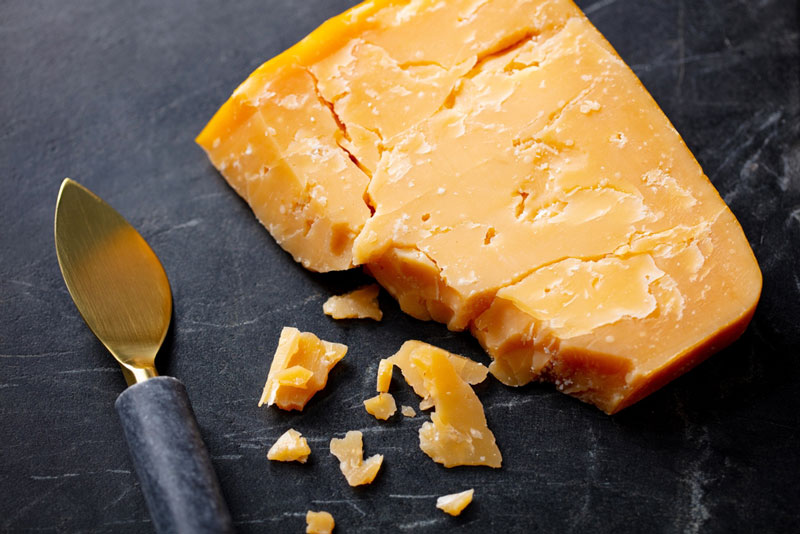
If you’ve ever wondered whether our furry friends, the cats, can eat cheddar cheese, you’re not alone! Many cat owners have probably asked themselves if a small chunk of this tasty treat is okay for their beloved pets. The short answer is yes, cats can nibble on cheddar cheese! It’s not toxic to them, but there is more to consider beyond just the fact that it’s safe. Just because they can eat it doesn’t mean they should, right?
This cheesy question is one that deserves some extra thought because while cats might enjoy the taste of cheddar, our feline companions have unique dietary needs. Their bodies process foods differently than ours, which means what is safe for us might not be the best for them. But hey, cats have been showing interest in our food for a long time, so it’s worth exploring this curious culinary crossover! Keep reading to find out everything you need to know about cats and cheddar cheese, including the benefits, risks, and some alternatives that might just make your kitty’s taste buds dance with joy!
You might also be interested in: Can Cats Eat Mozzarella Cheese?
Can Cats Eat Cheddar Cheese?
As we explore the delicious world of cheddar cheese and our cats, let’s remember that cats are obligate carnivores. This means they rely on meat as their main source of nutrition. Their bodies are built to digest protein efficiently, unlike humans, who can handle a wide range of foods. Within this framework, cheese like cheddar is a dairy product that can be an occasional treat rather than a daily staple.
Cheddar cheese itself is made from milk and is a source of protein and fat. For some cats, a tiny taste now and then can be a tasty reward. It’s important to note that not all cats will react the same way. Some may love it, while others may turn their nose up at it faster than you can say, “cheddar.” Cats do lack the enzyme lactase, which is what we have to help digest lactose found in dairy products. This means that some cats may experience tummy troubles if they eat too much cheese. So, a little sprinkle of cheddar on their meal can be a delightful surprise, but should not make up a significant portion of their food.
How Much Cheddar Cheese Can Cats Eat?
Now that we have established that cats can eat cheddar cheese, let’s move on to the important question of how much is actually safe for our furry friends. Moderation is key here! A small amount, such as a piece about the size of your fingertip is generally safe for most cats to munch on as a treat. But, just like with any other treat, we want to ensure it doesn’t become a regular part of their diet.
Feeding your cat too much cheddar cheese can lead to digestive issues. Since most cats don’t have the ability to digest lactose, consuming a large amount could result in upset stomach or diarrhea. Even if your cat seems to really love it at the moment, we don’t want to set them up for future tummy troubles. And who wants to clean a litter box after a cheese party gone wrong? I certainly don’t, and I’m sure you don’t either!
Remember that snacks and treats like cheddar cheese should never exceed more than 10 percent of your cat’s total daily calorie intake. So, if your cat usually requires 200 calories per day, then cheese treats should only account for around 20 calories. You could even explore finding a small kitchen scale to help keep track of how much cheese you’re offering. That way, you’ll know exactly how much is too much!
Pay attention to any changes in your cat’s behavior or health after introducing cheddar cheese. If they seem to be struggling or experiencing discomfort, we can always cut back on the cheese snacks or stop them altogether. After all, we want our fur babies to be happy and healthy!
Benefits Of Cheddar Cheese To Cats
1. Flavorful Delight: One of the more fun aspects of feeding our cats cheddar cheese is the flavor adventure! Cats are often picky eaters, so finding a treat that they genuinely enjoy can feel like a huge achievement. The savory and creamy nature of cheddar cheese might just get your cat racing around for a taste. That little tail wag can certainly brighten our day!
2. Protein Boost: Cheddar cheese offers a small amount of protein which is great for cats. While it can’t replace their need for meat, those extra protein sources never hurt. Protein is an essential part of a cat’s diet, and a tiny portion of cheese can add extra excitement to their meals. Think of it as a fun protein sprinkle!
3. Training Treats: We can also use cheddar cheese as a training treat! If you’re trying to teach your cat some new tricks, a little piece of cheddar can go a long way. It keeps their motivation high and makes the training process more rewarding for both you and your feline friend. Just remember, moderation still plays a huge role here!
4. Bonding Time: Sharing snacks with our pets can be a wonderful way to strengthen the bond between us. When our cats enjoy a little cheddar cheese with us, it can feel like a special treat and a moment to cherish together. Who doesn’t want more quality time with their furry companions?
5. Texture Variety: Cats enjoy variety just like we do! If their diets consist of mostly dry food, giving them some cheddar cheese creates a fun texture change. Adding different textures can help keep their meals interesting and may serve to stimulate their senses and encourage them to eat.
Dangers Of Feeding Cheddar Cheese To Cats
While cheddar cheese can be a delightful treat for our feline friends, it doesn’t come without its risks. As we enjoy the spicy journey of flavors that cheese can provide, let’s look at some potential dangers and risks associated with kubing on cheddar cheese:
One of the biggest concerns is lactose intolerance, as previously mentioned. Many cats lack the enzyme needed to digest lactose, which often leads to upset stomach or diarrhea. The last thing we want is for our beloved furry friend to be experiencing discomfort after trying out a tasty snack.
Additionally, cheddar cheese is high in fat. Regularly feeding your cat cheddar can contribute to obesity if they are not getting enough exercise or if cheese is frequently part of their diet. Excess weight can lead to a range of health issues, so it is vital to keep an eye on their overall health and well-being. A little cheese is fine, but let’s not turn our cats into a fluffy cheese ball!
Over time, if a cat becomes accustomed to cheesy snacks, they may refuse healthier food options as they develop a taste bias towards the richer flavors of cheese. This can create a dilemma for cat owners who are trying to introduce more balanced diets. Finding the right balance is the key to success here!
Finally, we should never forget about allergies! Though rare, some cats may have an allergic reaction to dairy products. Symptoms can include itching, vomiting, or diarrhea. If you notice any unusual symptoms after giving your cat cheddar cheese, it’s time to consult with the vet. In the end, we always want to prioritize the safety of our feline friends above everything else!
Substitute Of Cheddar Cheese For Cats
1. Meat Treats: If your kitty seems to enjoy cheese, we might want to consider substituting it with some lean meat options like cooked chicken or turkey. These tasty treats are much healthier for our cats and ensure they get the protein they need without the fuss of lactose intolerance.
2. Commercial Treats: Another option would be to explore commercial cat treats designed specifically for their dietary needs. There are plenty of products available that mimic flavors like cheese but are formulated with cats in mind. You can feel more confident knowing you’re giving your furry friends safe treats!
3. Fishy Fun: Some cats simply adore fishy flavors! Consider offering treats that include tuna or salmon. These flavorful options pack a protein punch and are usually well-received by our feline companions.
4. Wet Food Variety: Incorporating wet food into your cat’s feeding routine can introduce new flavors and textures that keep mealtime exciting. It’s often more appetizing for cats and can help ensure they stay hydrated.
5. Catnip Delights: For some cat friendly fun, consider offering them catnip based treats. While not a food substitute, the exciting allure of catnip can provide a great experience that distracts from the idea of cheese altogether!
Can Cats Eat Cheddar Cheese? Frequently Asked Questions
How Do I Know If My Cat Is Lactose Intolerant?
Pay attention to their behavior after eating cheese or any dairy product. If they experience upset stomach, diarrhea, or excessive gas, it might be a sign that your cat is lactose intolerant.
Is Cheddar Cheese Safe For Kittens?
It’s best to avoid giving cheddar cheese to kittens. Their digestive systems are still developing, and dairy can cause unnecessary discomfort.
What If My Cat Loves Cheese?
If your cat seems to love cheese, give it as an occasional treat very sparingly. Remember to balance it out with their regular nutritious diet.
I’m Not Sure How Much Cheese To Give My Cat. What Do I Do?
Stick to a tiny piece, like the size of your fingertip, and observe how your cat reacts. Always prioritize safety over indulgence!
Can Cheese Lead To Unhealthy Weight Gain?
Yes, if it’s integrated too often into their diet, cheese can contribute to weight gain in cats. Keeping track of portion sizes can help avoid this issue.
Final Thoughts
As cat lovers, we always want the best for our furry companions, and understanding their dietary needs is an essential part of ensuring they stay happy and healthy. Cheddar cheese can be a fun and tasty treat that brings joy to our furry friends when offered in moderation and with caution. Remember that not all cats may enjoy cheese in the same way, and their unique digestion must always be considered.
So the next time you find yourself snacking on some tasty cheddar cheese, you can share a tiny piece with your furry friend, but only if they react positively! If you are looking for more delightful pet topics, check out our pet blog filled with tips on various subjects. Want to know if cats can eat string cheese? Explore these links for more fun pet nutrition discussions!