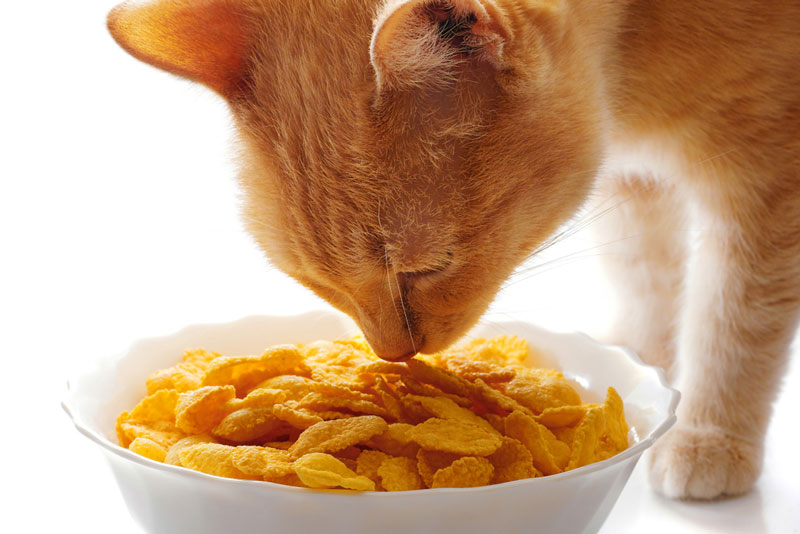
Can Cats Eat Cereal?
Have you ever wondered if your fluffy feline can munch on your breakfast cereal? It’s a fun question! The short answer is yes—cats can eat cereal, but with some caveats. Cats are obligate carnivores, which means their diet mainly consists of meat. However, some cereals might not harm them, but it’s important to choose wisely and know how to offer it to them safely.
This might lead us to ponder what cereals are suitable for our furry friends and in what quantities. Is cereal just a special treat, or could it somehow be beneficial to their diet? As cat lovers, we want the best for our pets and are always eager to explore and find answers. So, stick around as we dig deeper! It’s going to be a purr-fect ride.
You might also be interested in: Can Cats Eat Oatmeal?

How Much Cereal Can Cats Eat?
Not all cereals are created equal when it comes to our feline pals! While some cereals, like plain unsweetened oatmeal, might be perfectly fine in small amounts, others can be high in sugar or contain ingredients that aren’t suitable for cats. Think of it this way: we wouldn’t want to give our cats sugary cereals like Frosted Flakes or sugary granola. Cats do not handle sugar well, and too much could lead to weight gain and other health issues.
When we treat our kitties to cereal, moderation is the key. For example, if we offer them a tiny spoonful of plain oatmeal, it’s a safe amount. A good rule of thumb is that treats—be it cereal or anything else—should not exceed 10% of your cat’s daily caloric intake. So, if your cat typically eats about 200 calories a day, we can safely give them around 20 calories worth of treats. It is wise to check with a vet before introducing any new foods, including cereal, into their diet to ensure safety.
Now, let’s talk about texture! Cats love variety, and the crunch of cereal can be fascinating for them. However, we want to ensure we’re presenting this treat in the right way. Always moisten dry cereal when introducing it to make it easier for your furry friend to chew. This is essential, especially if they have sensitive teeth. Furthermore, fresh water should always be accessible so our cuddly companions can hydrate that delicious snack!
At the end of the day, always observe your cat after feeding them something new. If they display any unusual behavior, it’s best to consult with a veterinarian.
Benefits Of Cereal To Cats
1. Fun Treat: Watching our cats explore new foods can be quite entertaining! Cereal can act as a fun treat, and it might add a little excitement to their monotonous meals. Watching them nibble can become an engaging experience for us as well.
2. Vitamins and Minerals: Some cereals are fortified with vitamins and minerals. This means that providing them with the right kind of cereal, in moderation, could enhance their nutritional intake. For instance, oats contain some fiber, which can aid digestion in cats, though it’s not a substitute for their regular meat-based diet.
3. Shared Moment: Treats can reinforce our bond with our furry friends. Sharing food is one way of showing love, so giving our cats cereal can be a special shared moment. Just imagine your cat sitting next to you as you snack on your cereal!
4. Relief from Gastrointestinal Upset: For some cats, especially those with sensitive stomachs, plain cereals may provide a temporary source of relief from gastrointestinal upset. Think of it as a little fallback if they are having a rough day. However, moderation is still crucial while we explore these options!
5. Diverse Palate: Offering cereal can help to introduce new textures to your cat’s diet. This can help create a diverse palate, which is mainly helpful for kittens in their development stage! Even adults can benefit from a bit of variety every now and then.
Dangers Of Feeding Cereal To Cats
While we can see a few positives, it’s vital to be aware of the potential risks too. First and foremost, many cereals contain ingredients that can harm our furry friends. Sugary cereals can lead to obesity and diabetes. Remember, cats don’t need sugar in their diet, so let’s skip the sugary cereals altogether.
Another issue arises with flavored cereals. Many contain additives, artificial flavors, and preservatives that could cause adverse reactions in cats. Some of these might even be toxic, leading to symptoms such as vomiting or diarrhea. Take a moment to check the list of ingredients when considering a cereal for your beloved pet.
Moreover, let us not overlook cats’ digestive systems. Cats thrive on protein and natural fats; carbohydrates are not a significant part of their diet. Therefore, if we consistently overindulge them in cereals, it could lead to gastrointestinal upsets, such as vomiting or lethargy.
Lastly, there are also specific allergens to be wary of. Some cats can be allergic to grains or other cereal ingredients. If we notice any behavior like itching or excessive grooming, it may be wise to switch back to a strictly meat-based diet.
In short, while treating our cats with a bit of cereal might seem fun, we must always prioritize their health and well-being. If unsure, never hesitate to reach out for veterinary advice!
Substitute Of Cereal For Cats
1. Cooked Chicken or Turkey: If we’re looking for an exciting snack for our feline companions, consider offering them small bits of cooked chicken or turkey! High in protein, these are totally cat-approved and safe to share!
2. Baby Carrots: For the crunch factor, baby carrots are perfect! They’re low in calories and can be cut into small pieces. Just make sure they are cooked, as raw carrots can be tough for our furry friends to chew.
3. Freeze-dried Fish Treats: When the cereal munchies hit, how about trying some freeze-dried fish treats? Cats often find fish irresistible, and it supplies them with essential omega-3 fatty acids!
4. Cooked Quinoa or Brown Rice: If we’re trying to include grains in our kitty’s diet, offering a bit of plain, cooked quinoa or brown rice is a better option than highly processed cereals.
5. Catnip: Finally, consider giving them some catnip! It may not be food, but many cats go wild for it, and it can serve as an energetic activity that brings joy to our spunky pals.
Can Cats Eat Cereal? Frequently Asked Questions
Can All Cats Eat Cereal?
Not all cats tolerate cereal well. While cereal isn’t toxic, cats are obligate carnivores and don’t need grains in their diet. Many cats are lactose intolerant and may also react poorly to the sugars and additives commonly found in cereal, leading to digestive upset.
What Type Of Cereal Is Safest For Cats?
If a cat accidentally eats cereal, the least harmful option would be a very small amount of plain, unsweetened cereal with no milk, chocolate, artificial sweeteners, raisins, or nuts. Even then, cereal offers no nutritional benefit and shouldn’t be given intentionally.
Can Kittens Eat Cereal?
Kittens should not eat cereal. Their growing bodies require nutrient-dense, protein-rich foods designed specifically for kittens. Cereal can interfere with proper digestion and may cause diarrhea, bloating, or nutrient imbalance.
How Often Can I Give My Cat Cereal?
Ideally, never. Cereal should not be part of a cat’s regular diet. Even occasional feeding can encourage poor eating habits and may contribute to weight gain or digestive issues over time.
Is It Better To Avoid Cereal Altogether?
Yes. Avoiding cereal entirely is the safest and healthiest choice. Stick to high-quality cat food and cat-safe treats that meet your cat’s nutritional needs. This ensures proper digestion, sustained energy, and long-term health without unnecessary risks from human foods.
Final Thoughts
In conclusion, we can enjoy the occasional cereal treat with our furry friends. Just keep in mind that moderation is crucial. Today, we learned that while some cereals can be safe for our cats, others are not. Always check the ingredients and be cautious.
We love our pets, and it’s delightful to treat them every now and then. If you loved this topic, you might find these resources interesting, as well: read about cat behaviors, explore if cats can eat cheerios, and learn about can cats eat white bread. Our furry friends rely on us to keep them safe and healthy, so let’s continue learning together!