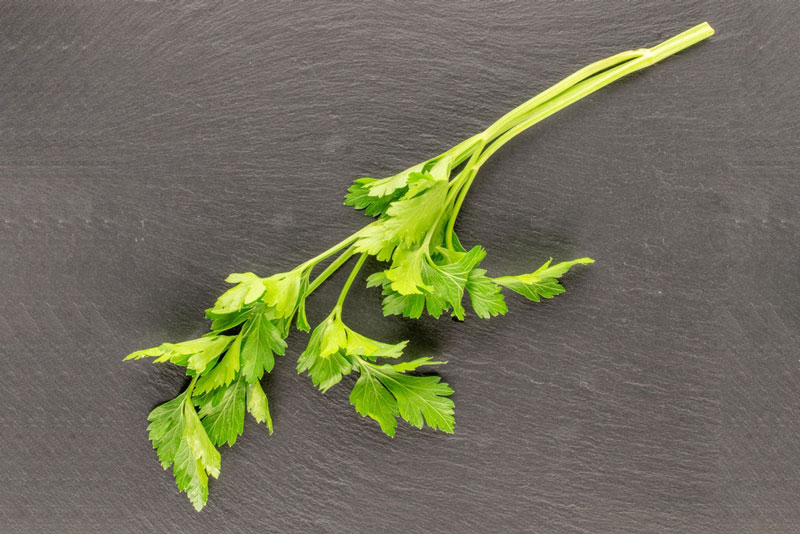
Are you wondering if cats can munch on celery leaves? Well, the short answer is yes, cats can eat celery leaves. They are not toxic to our fluffy friends and can provide some benefits. However, before we start tossing those leaves their way, let’s explore the topic a bit more, shall we?
Celery leaves offer a few vitamins and nutrients, which might intrigue us as cat owners who want the best for our pets. While our cats are obligate carnivores that thrive primarily on meat, adding a little vegetable goodness shouldn’t hurt, right? But have you considered how it might affect their digestion or if they actually enjoy the taste? Stick around to learn more about the risks, benefits, and everything in between when it comes to cats and celery leaves!
You might also be interested in: Can Cats Eat Wheat Grass?
Can Cats Eat Celery Leaves?
Yes, cats can eat celery leaves, although it is not a common treat. Celery leaves are not toxic to cats, and some cats may enjoy the crunchiness and taste. That being said, it’s essential to remember that cats primarily require a diet rich in animal-based proteins, fats, and other nutrients that are not readily found in vegetables like celery.
Cats are instinctively drawn to meat, so it might be a little odd for them to be interested in a plant-based snack like celery leaves. Each cat is unique, though! Some adventurous cats might be curious enough to try a nibble. It’s always best to monitor them when introducing anything new to their diet, including celery leaves. If they enjoy them and don’t experience any adverse effects, we can feel a little secure in offering them occasionally as a fun treat.
How Much Celery Leaves Can Cats Eat?
When considering how much celery leaves our cats can eat, moderation is key! A small amount can be introduced to their diet as a snack. We should think of celery leaves like a side dish at dinner – it complements the main meal, which for our feline companions should be high-quality cat food packed with protein.
A good starting point might be offering just one or two leaves washed and chopped into small pieces. We’ll want to keep an eye on our kitty to see if they enjoy the taste. If they do, we can gradually increase the amount while ensuring that their primary diet stays the same. It’s a delicate balance, as we wouldn’t want to transform our carnivorous kitties into salad connoisseurs.
Always remember that each cat is different! What may be a good amount for one cat could be too much for another. It’s essential to take individual preferences and dietary requirements into account. Some cats may love those crunchy leaves while others may turn their noses up in disgust. Observing our cats’ reactions will help us figure out the correct quantity for them.
If your furry friend shows any signs of trouble after eating celery leaves, be it upset stomach or unusual behavior, it’s best to consult with a vet. Keep in mind that introducing any new food should be a gradual process. If we decide to add celery leaves to the cat’s diet, we can mix it in with their regular food at first to monitor how they respond.
Benefits Of Celery Leaves To Cats
1. Low-Calorie Content: One of the potential benefits of celery leaves is their low-calorie content. For those of us who want to keep our cats in tip-top shape, celery leaves can be a great guilt-free snack option. It allows our furry companions to have a little something extra without piling on the calories. Perfect for those kitties that may need to lose a few pounds!
2. Packed with Vitamins: Celery leaves are also packed with vitamins A, C, and K. Vitamin A supports vision and overall immune function, while vitamin C can enhance iron absorption and help fight infections. Vitamin K plays a role in blood clotting, which is essential for healthy living. Including the leaves in moderation can provide our kitties with a boost of these nutrients.
3. Hydration: This is essential for our feline friends, and the high water content in celery leaves can potentially help with that. Cats are notorious for not drinking enough water, so every little bit helps! By offering celery leaves as a treat, we might encourage our kitties to stay hydrated, especially during warmer months.
4. Dental Health: While it is often thought of as a crunchy snack for humans, celery can also promote dental health in our fuzzy pals. The act of chewing can help reduce plaque buildup on fluffs of fur, especially on those larger teeth. Just think of it as nature’s toothbrush! Of course, it should not replace regular dental care, but it can add an interesting touch to their dental routine.
5. Stimulate our Cats’ Interest: Lastly, introducing new flavors like celery leaves can stimulate our cats’ interest in food. Cats can be quite picky, and allowing them to explore different tastes and textures can keep mealtime exciting! A fun change could encourage a finicky feline to eat when they’re feeling a bit uninspired.
Dangers Of Feeding Celery Leaves To Cats
Even though celery leaves come with their share of benefits, we must approach the topic with caution. Firstly, too much celery can lead to digestive upset in cats. If we toss a handful of leaves their way, we might risk giving our kitties a tummy ache. Signs of digestive issues include vomiting or diarrhea, both of which are not fun for anyone involved.
Another potential risk involves the possibility of high oxalate content in celery. Oxalates can interfere with calcium absorption in cats and could potentially lead to kidney issues over time. However, the levels in celery leaves are relatively low compared to some other foods. When we keep celery leaf treats to a minimum, this risk is generally manageable.
Additionally, we should be cautious about any additives or pesticides that may be present in the celery leaves we purchase. It’s always best to rinse leaves thoroughly before offering them to our furry friends. It’s like giving them a nice bubble bath, but without the splashes! Ensuring that they’re clean keeps harmful substances away from our playful companions.
If our cats are already experiencing health issues, particularly related to kidney function, we should consult with a vet before introducing celery leaves. They may not be suitable for every cat, and it’s best to get expert advice to avoid any unnecessary risks.
Substitute Of Celery Leaves For Cats
1. Cat Grass: Instead of celery leaves, we could try offering cat grass! Cat grass such as wheatgrass is safe, healthy, and can often be found at pet stores. Cats naturally crave greens when they need to aid in digestion, and grass can be a more appealing substitute for their palates.
2. Cooked Carrots: Another excellent alternative would be cooked carrots. They are sweet, soft, and easy for kitties to chew on. Always cook them thoroughly, as raw carrots can be quite hard and present a choking hazard. A small bite-sized piece just might dazzle our fur babies!
3. Green Beans: We can also consider green beans as an option. They are safe and can add some variety to their diet. Cats tend to enjoy the crisp texture, and they can be presented raw or steamed for easier chewing.
4. Zucchini: This is one more fun option! It is low in calories, soft when cooked, and cats may enjoy its flavor. Just like the other veggies, it should only be offered in moderation to keep our kitties happy and healthy.
5. Cat Treats: Finally, we can also look for cat treats that are made with natural ingredients. These alternatives are specifically crafted for our feline friends, ensuring they receive the best possible nutrition while satisfying those pesky cravings.
Can Cats Eat Celery Leaves? Frequently Asked Questions
Can Celery Leaves Cause Any Health Problems In Cats?
While celery leaves are generally not harmful, excessive consumption can lead to digestive upset. It’s always good to introduce new foods slowly and keep an eye out for any changes in behavior.
Are There Any Other Vegetables I Should Avoid Giving My Cat?
Absolutely! Some vegetables like onions, garlic, and leeks can be toxic to cats, so those should always be avoided. Always do your research before introducing something new!
Should I Give Celery Leaves To My Cat Regularly?
Giving celery leaves as an occasional treat is fine, but they should not replace their main diet. Cats thrive on high-quality meat-based food, and snacks should complement their nutrition.
How Do I Know If My Cat Likes Celery Leaves?
Simply offer a small piece and observe their reaction! If they sniff it, nibble, or show interest, they might like it. If they turn away or walk off, then it’s best to try something else.
5. Are There Any Signs To Watch For After Giving Celery Leaves?
Be on the lookout for any signs of digestive upset such as vomiting or diarrhea. If you notice any unusual behavior after your cat consumes celery leaves, consult with your vet.
Final Thoughts
In conclusion, cats can eat celery leaves in moderation, and knowing the potential benefits and risks allows us to make informed decisions about what we feed our furry companions. It’s essential to prioritize their primary diet, ensuring they get the nutrients they require to thrive. If our cats are adventurous eaters, introducing little bits of celery leaves may be a fun new adventure! We just need to ensure things are kept balanced.
If you’re interested in learning more about what your beloved pets can and cannot eat, explore additional topics like can cats eat salad or can cats eat bamboo. We can continue to grow our knowledge and keep our pets safe while making mealtime exciting!