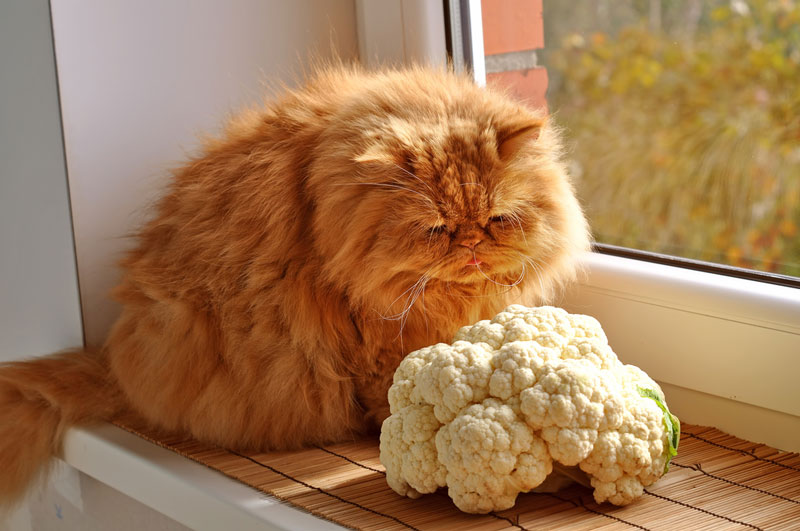
Can cats eat cauliflower? That’s a question many cat owners find themselves pondering, especially when they’re trying to share their meals with their furry friends. The simple answer is yes, cats can eat cauliflower, but there’s more to it than just a yes or no. While this vegetable is not toxic to our feline companions, we should pay close attention to how they react to it and if it’s really beneficial for their diet. After all, our cats are carnivores by nature, so adding foods like vegetables is a bit of a balancing act.
When we think about sharing our snacks with our pets, it’s important to be mindful of what is safe and healthy for them. Cauliflower might not be the first food that comes to mind for most cat parents, but as we explore this topic, we’ll uncover some intriguing insights about introducing this veggie into our cats’ diet. So sit back, and let’s embark on this tasty exploration together, delving into the details of whether cats can indeed munch on cauliflower and if we should jump on the cauliflower bandwagon for our feline friends.
So, if you’re curious about the dos and don’ts of feeding cauliflower to your cat, you’re in the right place! It’s a great opportunity to learn about our whiskered pals and their eating habits. Let’s find out more about this intriguing topic and discover all the potential benefits and risks associated with feeding our cats cauliflower, along with useful tips on moderation and suitable substitutes.
You might also be interested in: Can Cats Eat Green Olives?
Can Cats Eat Cauliflower?
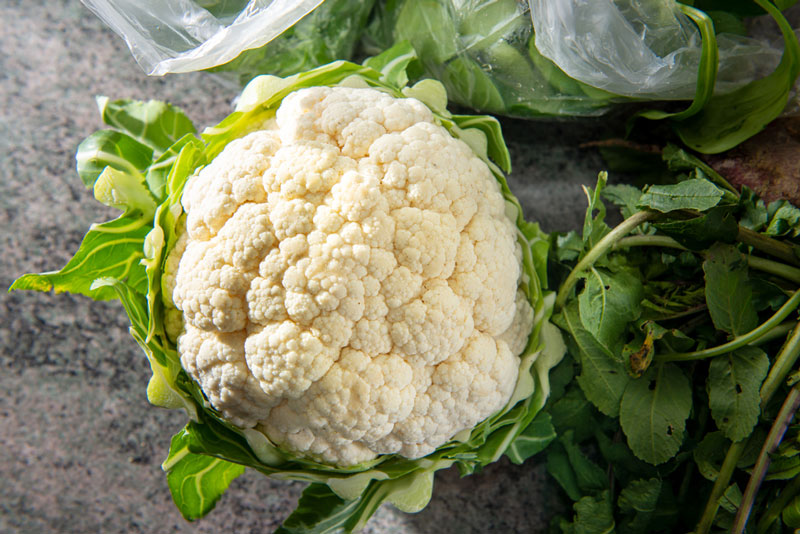
When it comes to our feline friends, their diet primarily needs to consist of meat, and generally, cats are obligate carnivores. This means they really thrive on animal protein and have no real dietary requirement for carbohydrates or vegetables like cauliflower. However, that does not mean they cannot enjoy a small taste of plant-based foods from time to time. Cauliflower belongs to the cruciferous vegetable family, which also includes broccoli, Brussels sprouts, and kale. While there is no professional mandate suggesting that cats should eat vegetables, they can indeed consume cauliflower safely, provided they are introduced to it carefully and in moderation.
However, since most cats are not used to consuming plant material, they may not appreciate the flavor or texture right away. Some cats may be curious and willing to try it, while others may just give it a sniff and walk away. The most important factor is to ensure that any vegetable we offer our cats, including cauliflower, is cooked and served in small, manageable pieces. Raw cauliflower can be tougher on their digestive systems and may lead to gas or discomfort. By steaming or boiling the cauliflower, it becomes easier for their tummies to process, thereby reducing the chances of any negative reactions.
Still, we need to remember that every cat is unique. Just because one cat loves cauliflower does not mean your cat will share the same enthusiasm. Pay close attention to your furry friend and observe their response to new foods. If they take to cauliflower like a fish to water, then we can continue to offer it as an occasional treat, but don’t forget to balance it with their usual meat-based diet. Ultimately, it is essential to treat any new addition to their diet, including cauliflower, as an experiment. If your kitty shows signs of stomach upset or refuses to touch it, it’s best to move on to other options!
How Much Cauliflower Can Cats Eat?
While it’s exciting to think about including a new treat for our kitty like cauliflower, the question of how much to give them is equally as important. After all, moderation is key! Cats are very sensitive to changes in their diet, and introducing too much of any new food, even if it’s healthy, can lead to gastrointestinal issues such as vomiting or diarrhea.
So, how much cauliflower can we safely let our feline friends nibble on? We can think of a tiny piece or two—a few bite-sized bits—as a suitable serving size when we are introducing this veggie. A good rule of thumb is to start off with just a small amount, roughly the size of a pea! Keep an eye on our cat’s reaction to it. If our kitty seems to enjoy it and doesn’t experience any digestive issues, we can gradually increase the portion size. However, we should remember that it should only be offered in moderation, even as they get accustomed to it.
Let’s say we give them a tiny portion, maybe a few small pieces once or twice a week, and not every day. Our first responsibility is to ensure their main diet is balanced and that’s based on high-quality cat food that meets their protein and nutrient needs. If we start cramming different snacks into their diet without monitoring, their overall nutrition could become imbalanced, and that’s the last thing we want for our fur babies!
Lastly, here’s a useful tip: consider the overall health status of our cat when introducing any new addition to their diet. If our kitty has any specific health concerns or dietary restrictions, seeking advice from a veterinarian is an astute step. A vet can provide expert guidance on what foods are best for our furry friend’s specific needs. This way, we can ensure both happiness and health as they nibble on their new treats!
Benefits Of Cauliflower To Cats
1. Low in Calories: One potential benefit of cauliflower for our feline friends is that it’s quite low in calories. Given that many cats tend to be couch potatoes, we want to avoid weight gain. Offering cauliflower as a special treat might serve as a nice healthy alternative to heavier snacks, allowing them to munch on something that is satisfying yet low in calories.
2. Source of Fiber: Cauliflower is also a source of fiber, which is important for a cat’s digestive health. A little fiber can aid in keeping their digestive system functioning smoothly, potentially preventing a multitude of tummy troubles. However, moderation is essential here, as too much fiber can lead to the opposite effect. Including a small amount of cauliflower might help with regularity.
3. Vitamins and Minerals: Another significant aspect is that cauliflower contains various vitamins and minerals. It is rich in Vitamin C, K, and folate. While cats don’t strictly need Vitamin C in the same way humans do, it is believed that it does have its benefits in proper cellular function and maintenance. And while it may not provide major health advantages, having a few vitamins along the way surely won’t hurt.
4. Source of Antioxidants: A surprising benefit that is worth mentioning is that cauliflower is also a source of antioxidants. Antioxidants can help combat oxidative stress in the feline body, which can be supportive of their overall health. While we shouldn’t expect cauliflower to replace regular veterinary care, including a small amount might safeguard against ongoing cellular damage, contributing to our cat’s well-being in the long run.
5. Stimulate Curiosity: Lastly, let’s not forget that trying new foods can stimulate a cat’s curiosity. Whether they outwardly express their excitement or not, giving them the chance to explore different flavors and textures can make mealtime more interesting. It’s important to create a vibrant food experience for our cats, and tossing in a little cauliflower here and there definitely adds some spice to their usual routine!
Dangers Of Feeding Cauliflower To Cats
It’s not all sunshine and rainbows when it comes to introducing cauliflower into our cats’ diets. Despite being non-toxic, there are some potential risks and dangers worth mentioning. Awareness is key to a safe feeding experience.
One major concern for cats consuming cauliflower is that it can produce gas in their digestive systems. Cats have sensitive tummies and can struggle to digest plant-based foods properly. If our pet experiences any discomfort, gas may result in a very unhappy feline! To ensure a smooth experience, we must offer cooked cauliflower in few, tiny increments as we introduce it to their diet.
Another risk involves potential gastrointestinal upset. While cauliflower is safe for most cats, not every cat will respond well to its introduction. It may lead to symptoms like vomiting, diarrhea, or even constipation if they aren’t accustomed to processing roughage. If we observe any negative reactions after feeding them cauliflower, it’s best to steer clear of it in the future.
Moreover, we should be especially careful with felines that may have underlying health conditions. Cats with pancreatitis or certain allergies may react unfavorably to cruciferous vegetables like cauliflower. Always consult a veterinarian beforehand if our cat has existing health problems.
Lastly, portion control cannot be stressed enough. Overindulgence, as we discussed earlier, can lead to unnecessary weight gain or digestive troubles. Cats are likely not wired to control their eating habits like humans are, so we must take responsibility for the amount of food we share with them.
To conclude, while cauliflower can be safe for cats in moderation, it’s essential to recognize these potential risks, keep a watchful eye on our furry pals, and always prioritize their well-being.
Substitute Of Cauliflower For Cats
1. Pet-safe Vegetables: If we find that our cat isn’t too fond of cauliflower or cannot handle it well, there are plenty of other pet-safe vegetables we can explore. For instance, carrots are quite popular! Cooked carrots retain sweetness and can be appealing to our feline friends, acting as a crunchy snack. Just remember to chop them down into small, bite-sized pieces.
2. Green Beans: This can also be a great alternative—cooked and cut or given whole, depending on your cat’s size. They contain essential nutrients and can help our pets feel full, making them a promising snack!
3. Peas: Another great option to consider are peas. Many cats enjoy the taste, and like other vegetables, peas are high in fiber and contain vitamins. They’re also soft when cooked, making them easier on a picky cat’s stomach.
4. Zucchini: If your cat is more adventurous and loves different textures, we can introduce steamed zucchini. It has a pleasant flavor, is easy to digest, and is an excellent addition to various meals.
5. Fruits: Lastly, let’s not overlook the fact that small amounts of fruits like blueberries or sliced strawberries could be delightful in moderation. These fruits are not only packed with nutrients but they can also be a refreshing treat during warm months, making them a wonderful substitute for vegetables.
Can Cats Eat Cauliflower? Frequently Asked Questions
Is Cooked Cauliflower Safe For Cats?
Yes! Steamed or boiled cauliflower is safe for cats as it breaks down tougher fibers, aiding in digestion while enhancing its palatability.
How Will I Know If My Cat Likes Cauliflower?
It will depend on their reaction! If they sniff it, investigate, and take a small lick or bite, they might enjoy it. If they turn away or display disinterest, they may not be a fan.
Can Kittens Eat Cauliflower?
Kittens should primarily be on a milk diet or high-quality kitten food. It’s generally best to avoid giving them vegetables too early and stick to their specialized kitten diet.
Are There Any Healthier Alternatives To Cauliflower?
There are plenty! Carrots, peas, green beans, and zucchini can all be great, healthy alternatives that your cat might enjoy. Just ensure they are cooked and cut into pieces!
Is It Okay For My Cat To Eat Cauliflower Every Day?
While cauliflower is not toxic and can be given occasionally, it should not be part of their daily diet. It’s crucial to avoid overloading their diets with non-meat options.
Final Thoughts
We’ve covered quite a bit about whether cats can eat cauliflower, and it appears there are definitely positives and negatives to ponder. Ultimately, it’s all about balance, moderation, and listening to our cats’ preferences! With the right approach, we can try to introduce new tastes without causing distress to our feline friends. If our cats seem interested, it can also add some variety to their meal routine and provide nutritional benefits, all while keeping our playful companions happy and engaged.
To keep ourselves informed, let’s not forget to check out more about which treats are suitable for our beloved pets and to ensure they’re leading a healthy lifestyle. If you’re curious about the safety of other foods, take a look at this article on cats and arugula. Each of our pets has unique needs, and every meal is an opportunity to explore their culinary preferences together!
We’re passionate about providing our furry friends with safe, healthy, and enjoyable eating experiences. Ready to explore more captivating topics about pet care or nutrition? Our furry friends deserve the best, so let’s dive deeper into some fascinating topics together!