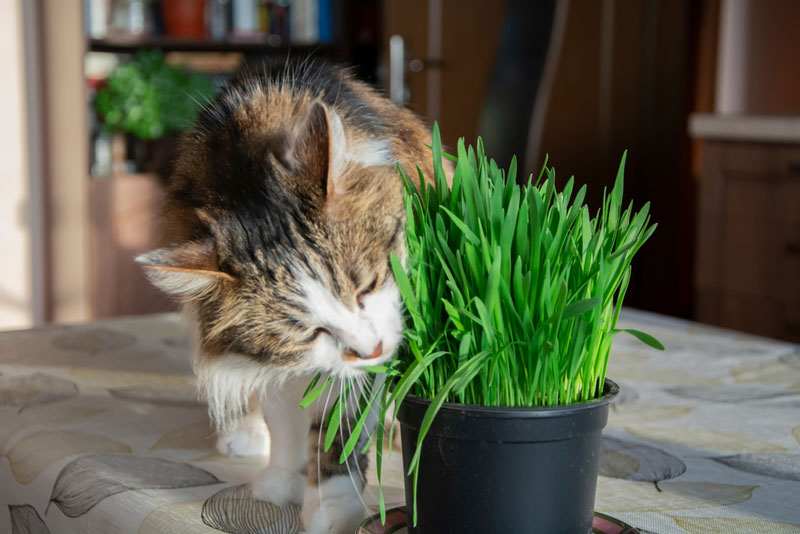
Have you ever heard of cat grass? It’s a trendy treat for our feline friends, but can cats eat cat grass? Yes, they can! In fact, many cats love munching on this green plant, and it can even be beneficial for their health.
Cat grass, which usually consists of wheat, oats, barley, or rye, is safe for cats to consume. It’s a delightful, crunchy snack that many cats seem to enjoy as much as catnip. It provides a variety of nutrients and can positively impact your cat’s digestive health.
If you’re curious about the specifics of cat grass, the benefits, or any potential risks, stay with us! We’ll explore everything you need to know about cat grass, ensuring your furry friend stays happy and healthy.
You might also be interested in: Can Cats Eat Wheat Grass?
Can Cats Eat Cat Grass
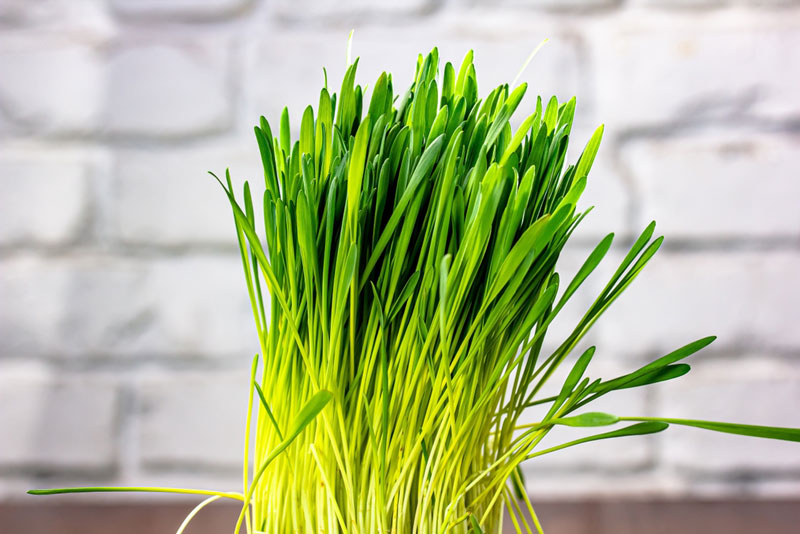
Let’s start off by looking at the basics of cat grass. Cat grass is simply a term used for a variety of grasses that are safe and enjoyable for cats to eat. It is typically grown from seeds of certain grains, such as wheat, oats, barley, or rye. Unlike regular grass found in our yards, cat grass is non-toxic and poses no harm to our feline companions. In fact, cats are often drawn to these grassy treats, nibbling on them as part of their natural behavior.
Cats are obligate carnivores, meaning they predominantly eat meat. However, they often seek out plant matter, which might seem odd. This behavior is largely instinctive, as wild cats are known to eat the stomach contents of their prey, which includes plant material. Thus, while a cat’s primary diet should consist of animal protein, incorporating cat grass can mimic this natural instinct. It can satisfy your cat’s cravings while also offering them several health benefits.
When planting or purchasing cat grass, be sure that it’s specifically labeled as cat grass. Some grasses can be toxic to cats, so it’s important to choose safe options. Always avoid using pesticides, as they can pose a danger to your furry friend. Instead, consider cultivating your own cat grass at home. It’s easy to grow and can be a fun activity to share with your pet. Just sow the seeds in soil, water them properly, and watch them grow into a fulfilling snack for your kitty!
How Much Cat Grass Can Cats Eat?
As with anything we give our pets, moderation is essential when it comes to cat grass. You might be wondering how much cat grass is okay for your furry friend to munch on. Generally speaking, it’s a great idea to allow your cat access to it as a snack, but it should not replace their regular meals.
Typically, cats will know their limits and will stop eating them when they’ve had enough. Keep in mind that too much grass can result in a bit of an upset stomach, and we certainly don’t want to see our loved ones feeling uncomfortable. It’s best to introduce cat grass gradually. Start by offering a small amount and observe how your cat reacts.
For most cats, a few bites every day is plenty. If your kitty enjoys the taste, you can keep a small pot readily available for them to nibble whenever they feel like it. If you notice them indulging in too much grass, you can always trim back their supply. Remember, we want to keep our furry friends playful and healthy!
Sometimes, cats might eat grass to induce vomiting. Although it may sound alarming, this behavior is natural for some felines, as it helps them expel hairballs or other indigestible materials. If your cat seems to be using cat grass primarily as a tool for this purpose, it’s a good idea to monitor their overall health and speak with a veterinarian. While cat grass is indeed safe, no cat should be excessively vomiting.
In conclusion, we can enjoy feeding our cats cat grass as long as we monitor their intake. Allow them the freedom to nibble and play with their grass, but keep a close eye on their behavior. A healthy and engaged cat is what we all want to see!
Benefits Of Cat Grass To Cats
1. Valuable Nutrients: One of the primary benefits of cat grass is that it provides valuable nutrients. These plants are rich in vitamins, minerals, and fiber, all of which can support your cat’s digestive system. Eating grass can help in promoting regular bowel movements and preventing constipation.
2. Hairball Control: Eating cat grass can also assist with hairball control. We all know how annoying hairballs can be, not just for our cats but for us, as well! As cats groom themselves, they ingest fur that can create hairballs. The fiber found in cat grass can help to bind this fur in the digestive tract, making it easier for your furry companion to pass it. So, munching on some cat grass may help reduce those gagging moments!
3. Natural Detoxifying Agent: It serves as a natural detoxifying agent. Cats may eat grass to help flush out toxins from their system. This can be especially important for indoor cats who do not have access to a variety of natural plant materials. By providing cat grass, we give them a safe option to help cleanse their bodies.
4. Source of Entertainment: It can also be a source of entertainment. Cats are naturally curious creatures, and they love to explore their surroundings. Providing them with an indoor pot of cat grass can stimulate their senses and keep them engaged. Each time they take a bite or play with the leaves, they are enjoying a little slice of nature in the comfort of our homes!
5. Reduce Stress and Anxiety Levels: Finally, cat grass consumption may help reduce stress and anxiety levels. Many cats find comfort in having a designated snack that they can easily access. When they munch on their grass, it can provide them with a calming experience similar to how some people enjoy relaxing while while snacking on their favorite food. A happy, relaxed cat is a joy to have around!
Dangers Of Feeding Cat Grass To Cats
While cat grass is generally safe for our feline friends, it’s always important to be aware of any risks or dangers involved. We never want to put our beloved pets in harm’s way.
One potential risk is the possibility of pesticides and chemicals. As cats enjoy their grass, there’s always a concern regarding exposure to harmful substances. If we decide to grow our own cat grass, it’s essential to use organic soil and seeds. For store-bought grass, we should ensure it’s free from harmful pesticides and chemicals. Cats are sensitive creatures, and even small amounts can affect their health.
Another risk is overindulgence. While grass is tasty for many cats, they should never eat it in massive quantities. As previously mentioned, too much grass may lead to vomiting or digestive upset. For some cats, this may become a cyclical problem where they eat grass to induce vomiting, continuing the cycle of discomfort. If it seems frequent, we should consult a veterinarian to assess the situation.
Additionally, cats with pre-existing health conditions, particularly those related to the digestive system, should be monitored closely when consuming cat grass. Each cat is unique, and what’s safe for one may not be for another. If you’re unsure if your cat should eat cat grass or if you notice any unusual behaviors, don’t hesitate to reach out to your veterinarian for guidance.
Lastly, it’s essential to keep cat grass out of reach if you have other pets, such as dogs. While it’s safe for cats, other animals might react differently. It’s best to avoid potential mishaps by supervising and providing cat grass only to the intended feline munchers!
Substitute Of Cat Grass For Cats
1. Catmint: If you’re unable to find cat grass, or your cat isn’t too fond of it, other options do exist! We can explore alternatives like catnip, also known as catmint. Many cats adore catnip, and it can provide similar feelings of excitement and joy. It’s also non-toxic and can be offered in various forms, such as fresh plants, dried leaves, or sprays!
2. Wheatgrass: Another substitute could be wheatgrass. This grass is a close relation to cat grass and is non-toxic as well. It provides the same digestive benefits and crunchiness that our cats crave. If your cat prefers this option, consider seeking wheatgrass seeds specifically for cats or growing it at home!
3. Spirulina: This is another interesting option! This is a type of blue-green algae packed with nutrients and can be given in powder or tablet form. It can promote overall health and vitality! However, the taste might require some mixing into their food, so it might be a bit of a learning curve for them.
4. Fresh Green Beans: These are an unusual choice, but many cats appreciate the crunchy texture! We can chop them up or provide them whole for our cats to nibble on. Just remember to prepare them by steaming them lightly; this method ensures they are tender but not overly soft.
5. Parsley or Mint: Finally, we could consider offering safe herbs like parsley or mint on occasion. Cats often find them appealing, and they can add a fresh twist to their diet. Always introduce herbs slowly to see how our pets react and as a precaution, avoid giving them too much.
Can Cats Eat Cat Grass? Frequently Asked Questions
Is Cat Grass The Same As Regular Grass?
Cat grass is different from regular grass, as it’s non-toxic and specifically grown for feline consumption. Regular grass could potentially have chemicals or toxins that can harm our cats.
Can Cats Eat Cat Grass Every Day?
Yes, cats can eat cat grass daily, but in moderation. A few bites now and then can keep things manageable and fun for them!
How Do I Grow Cat Grass At Home?
Growing cat grass at home is simple! All you need is cat grass seeds, some soil, and a pot. Just sow the seeds in soil, water them, and let them soak up sunshine. Watch it grow, and before long, your kitty will have fresh grass to enjoy!
Can All Cats Enjoy Cat Grass?
Most cats adore cat grass since it appeals to their instincts. However, some cats may not be interested. If yours doesn’t seem to enjoy it, don’t worry! Not every cat will want to munch on grass.
How Can I Tell If My Cat Is Having A Bad Reaction To Cat Grass?
If your cat seems to experience excessive vomiting or digestive discomfort after eating cat grass, it might be worth consulting your veterinarian. Close observation is key!
Final Thoughts
In summary, we’ve explored many aspects of cat grass – from its safety and benefits to potential dangers and substitutes. We hope we’ve shared some valuable information to ensure our feline friends can enjoy their cat grass while staying happy and healthy. Always remember to monitor their behavior and provide them with love and support.
If you’d like to read more about feeding your furry companions, we encourage you to check out other topics on our website! For instance, you can find out if cats can eat chocolate or learn more about can dogs eat pineberries. Let’s keep our love for pets strong, as they truly bring joy to our lives! Come on over and check out more interesting articles such as How to Keep Your Cat Happy or even find out if cats can eat grass