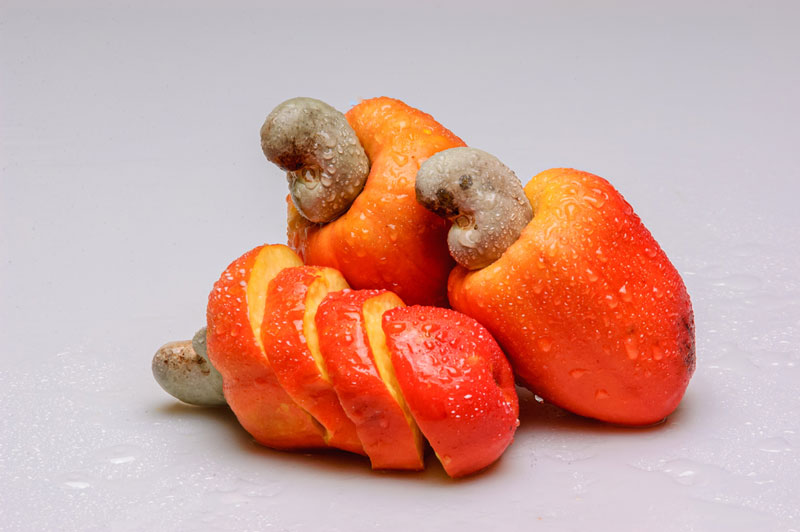
Can cats eat cashews? That’s a question many curious cat owners often find themselves asking, and the answer isn’t as straightforward as one might think. Cashews are not toxic to cats, meaning your feline friend can safely enjoy a small amount should the curiosity strike. However, just because they can eat them doesn’t mean they should.
While cashews may not pose an immediate danger, they are not a necessary part of your cat’s diet. Cats are obligate carnivores, which means their bodies are designed to thrive on animal proteins. So, while a cashew here or there isn’t a catastrophe, it’s important to remember that our whiskered companions are much better off munching on their meat-based meals instead.
If you’re intrigued and want to learn more about the ins and outs of cats and cashews, keep reading! We’ll explore everything you need to know, from potential benefits to any risks involved, so you can make informed decisions for your furry friends!
You might also be interested in: Can Cats Eat Almonds?
Can Cats Eat Cashews?
When pondering whether cats can munch on cashews, it’s crucial to understand a few things about their dietary needs. As mentioned earlier, cats are obligate carnivores. This means that they rely heavily on nutrients that are primarily found in animal products. Meat, fish, and eggs are what fuel their energy and help them thrive. Adding some cashews into the mix may seem harmless on the surface, but we need to tread carefully.
Cashews themselves are packed with healthy fats, protein, and nutrients that are beneficial to humans. They may support heart health and boost energy levels for us, but cats digest food differently. Their bodies don’t quite break down and process nuts in a way that makes them helpful or necessary. Essentially, if Fluffy is eyeing that handful of cashews you have, it’s best to use some good ole’ common sense!
One important thing we should consider is the size of our furry friends. Cats come in all shapes and sizes, and what might be a small treat for one cat could be too much for another. That being said, if you decide to allow your kitty to have a little taste of cashew, keep it minimal. Watching for any unusual reactions is very important, especially since some cats can have sensitivities.
Interestingly, some pet foods and cat treats contain ingredients similar to those found in cashews. They might add some nut butter to their recipes, but these should still be offered in moderation. So, yes, cats can technically eat cashews, but whether or not they should is a different story that we need to fully unpack.
How Much Cashews Can Cats Eat?
Giving our cats a little treat now and then can be a delightful experience for both parties. However, when it comes to cashews, moderation is key. A few cashews here and there may not pose much of a risk, but how much is ‘too much’?
Moderation means keeping treats to around 10 percent of your cat’s daily caloric intake. Typically, this allows for a small amount of cashew without affecting their main dietary requirements. If your cat is a lightweight, this could be just a small piece of cashew or even half of one. For larger cats, they may be able to handle a bit more, but it is essential to be careful as too many cashews can lead to gastrointestinal upset or worse.
The amount of cashew you can offer can greatly depend on several factors, such as a cat’s weight, age, activity level, and overall health. Kittens, for example, should not be given any cashews because they are still developing and need the right nutrients to grow strong. Older cats with health concerns, such as obesity or diabetes, should be considered even more closely when it comes to added calories or fats in their diet.
If you ever decide to introduce cashews into your cat’s menu, monitor them closely for any signs of a negative reaction. Symptoms can include vomiting, diarrhea, or even lethargy. If you notice these signs appearing, please try to reach out to your veterinarian for advice. They will guide you on the right path for your furry friend and let you know if cashews are something to avoid altogether.
While it may be tempting to share your favorite snack with your kitty while watching a movie or enjoying a quiet evening, keeping their treat consumption to a minimum is essential. Offering cashews sometimes and in little amounts can keep them interested, but don’t let that turn into a regular habit.
To sum it up, while our cats can eat cashews, it’s vital to serve them in moderation based on their size and overall health. And remember, no cat will ever turn down a delicious chicken treat, so save the cashews for the occasional snack and stick to their regular kitty food for regular mealtime!
Benefits Of Cashews To Cats
1. Healthy Fats: Cashews contain healthy fats, which are important for energy. Cats need fats in their diets, so a tiny amount of cashew could provide a very small bonus here. However, do keep in mind that they should be getting most of their fats from quality animal proteins.
2. Vitamins and Minerals: Cashews come packed with vitamins such as vitamin K and vitamin E. Additionally, they are loaded with minerals such as copper and magnesium that can contribute to overall health. While these nutrients might be healthy for us, it’s essential to remember that cats have different nutritional needs.
3. Crunchy Treat: Cats can be a bit picky when it comes to snacks. Sometimes, a crunchy little cashew might just do the trick and keep their excitement levels high. Funny how a simple nut can entertain our feline friends, isn’t it? Just remember to supervise your cat when they’re trying new treats!
4. A Taste for Variety: Cats thrive on variety in their diets. Adding a couple of cashews now and then can build excitement at mealtime. This can create positive experiences when introducing new foods and help keep your kitty’s overall mealtime an enjoyable time.
5. Enrichment Activity: Giving our furry pals treats like cashews can encourage playful behavior. Cats love to hunt, chew, and explore, so incorporating a few these nuts can invite fun interactions between your furry friend and you.
Dangers Of Feeding Cashews To Cats
While there can be potential benefits to giving our cats cashews, we must also be aware of the risks and dangers of these tasty little snacks.
One of the most significant concerns with feeding cashews is the chance of gastrointestinal upset. Some cats may not take to nuts very well, leading to vomiting or diarrhea if they consume too much. Even in small amounts, some cats may still react poorly since every feline is an individual with their own sensitivities.
Weight gain can also be a concern. Cats are known to be lazy little critters, and if you’re giving them too many high-calorie treats, they’re likely to end up with problems related to obesity. Imagine cuddling with a hefty kitty! None of us want that! A heavier cat means higher risks for diabetes, joint problems, and more.
Another risk involves the potential for choking. Nuts can be hard and tricky for kittens and some older cats to chew, leading to blockages. When we share snacks, we need to consider how our pets handle different textures in their food. Always supervise your feline when giving them a new treat, no matter how cute their eager little faces may look!
Also, we should not ignore potential allergies. Some kitties can react to certain foods, including nuts. If this is your first time introducing cashew nuts or any new food, be on the lookout for any unusual symptoms like itching, swelling, or any changes in behavior. Promptly contact a vet if you suspect an allergic reaction.
While the tasty texture and crunch of a cashew might be appealing to our cats, it’s clear that we need to be cautious. Understanding the risks involved helps us create better snacking habits that prolong healthy and happy lives for our furry companions.
Substitute Of Cashews For Cats
1. Chicken Treats: Nothing beats a good old chicken nugget! For a far safer option that satisfies your cat’s need for protein, consider offering small pieces of cooked chicken. It’s the ultimate cat-approved delight.
2. Cat Treats: Store-bought cat treats come in various flavors and forms. Often, these treats are specifically tailored for our felines and can offer healthier nutrients that are better suited for their diet.
3. Freeze-Dried Meat: These treats are not necessarily as crunchy, but freeze-dried meat is another fabulous option to satisfy your cat’s hunger and offer a great source of protein.
4. Fish Treats: Cats generally love fish. Giving them fish-flavored treats or bits of cooked fish can be an engaging replacement for the crunch of a cashew.
5. Vegetables: While we usually think of cats as meat-lovers, small bites of cooked vegetables can be a nice change. Carrots and peas can be served in moderation alongside their main meal for an adventurous twist.
Can Cats Eat Cashews? Frequently Asked Questions
Are Cashews Safe For Cats?
Cashews are generally safe for cats to eat in moderation, but they should not replace their regular diet. Always watch for any unusual reactions after introducing new foods.
What Happens If My Cat Eats Too Many Cashews?
If your cat eats too many cashews, they may experience gastrointestinal upset such as vomiting or diarrhea. Monitor your cat’s behavior and consult a vet if concerns arise.
Can Cats Have Nut Butter?
Some nut butters may not be toxic, but it’s best to avoid them in case they contain added ingredients like sugar or salt that aren’t suitable for cats.
How Can I Enrich My Cat’s Diet?
To enrich your cat’s diet, you can try different types of treats, food puzzles, and play sessions. Mixing things up during mealtime can add fun and excitement.
Why Is Variety Important In A Cat’s Diet?
Offering variety in a cat’s diet can keep them interested and excited about mealtime. It helps to stimulate their senses and can provide them with a broader range of nutrients.
Final Thoughts
As we wrap things up, the primary takeaway is while cats can eat cashews, they should only be given sparingly and under careful observation. The occasional cashew can be a fun treat for your kitty but does not provide any necessary nutrients they can’t get from their regular food. Instead, think of more beneficial snacks that align with their dietary needs.
To stay informed and pick appropriate snacks for your furry friend, it’s crucial we explore the wonderful world of pet nutrition. If you found this article intriguing, feel free to check out more about what cats can and cannot eat, like can cats eat peanut butter, or look into more pet-friendly topics over at Huston Veterinary’s blog!