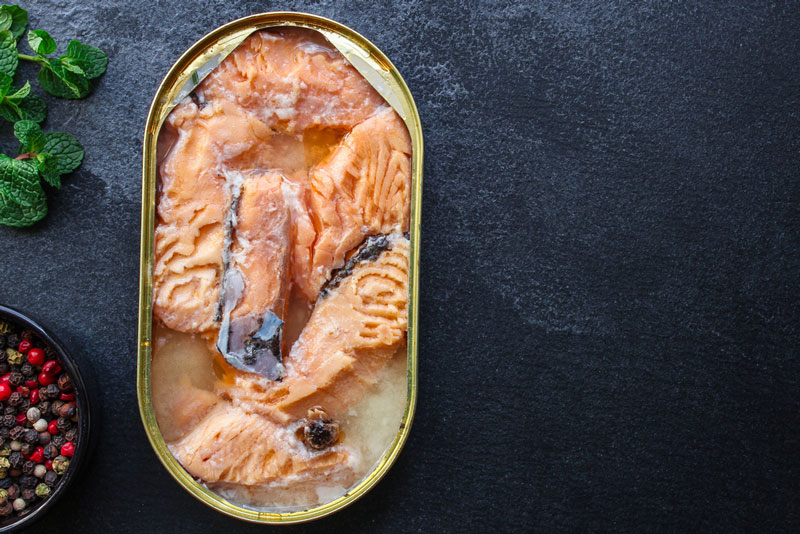
Have you ever looked at your furry friend and wondered, can cats eat canned salmon? The good news is, yes, they can. Canned salmon is generally safe for our feline companions, and many cats simply adore it! This tasty treat is rich in healthy proteins and omega-3 fatty acids which are a fantastic supplement to their diet when given in moderation.
Understanding that our cats can indulge in this delicious fish opens up a world of flavor for them. Imagine the joy on your cat’s face when they take a bite of their new favorite treat! Our kitties are naturally curious and adventurous eaters, so introducing them to canned salmon can bring excitement to their mealtime routine. Plus, it provides us, their loving pet parents, with the feeling of joy when we see how much they enjoy it!
As you continue reading, we will explore all the ins and outs of feeding our cats canned salmon, including how much is appropriate and the potential benefits and risks. So grab a comfy spot, and let’s journey through the world of gourmet cat treats together!
You might also be interested in: Can Cats Eat Smoked Salmon?
Can Cats Eat Canned Salmon?

It’s common for owners to question what is safe for their cats to eat. The smell and taste of canned salmon are enticing and can pretty much make any cat go wild. The truth is canned salmon is generally safe for our feline friends, provided it is served correctly. It is packed with protein and essential omega-3 fatty acids that contribute positively to the health of our pets.
However, it’s important to take into consideration a few key factors when considering whether to treat your cat to canned salmon. The type of canned salmon matters; look for brands that do not include any added flavors, spices, or salt. Too much sodium can lead to health issues in cats, so reading labels is a worthy investment of time. Unflavored and water-packed canned salmon is a better choice than those in oil or with any seasoning.
While many cats absolutely love the taste of salmon, moderation is key, just as it is with all tasty treats! An occasional serving of canned salmon is a delightful treat, but it shouldn’t replace their regular balanced diet. The primary nutrition for our cats should come from high-quality cat food that meets their dietary needs.
How Much Canned Salmon Can Cats Eat?
When we consider how much canned salmon our cats can eat, we should approach this question with care. Even though salmon is a nutritious treat, feeding too much can have negative side effects. A general guideline for treating our cats with canned salmon is to limit it to a few small portions a week, never exceeding one ounce per serving.
One ounce might not seem like much, but for a little kitty, it can indeed be a flavorful delight! The goal is to keep salmon as a special treat, not as a daily meal. Cats have their unique dietary needs, and feeding them already balanced cat food guarantees that they are getting all the nutrients they require.
It can be an excellent idea to observe how your cat reacts after enjoying a bit of canned salmon. If they seem to love it, great! But if they show signs of an upset stomach, such as vomiting or diarrhea, it’s crucial to cut back and not offer them salmon again for a while. As with any new food, it’s essential to ease them into it to see how their little tummies handle different flavors.
In conclusion, moderation truly is the name of the game when it comes to feeding our beloved pets canned salmon. Remember, it should only be a tasty bonus to their regular diet and not a replacement.
Benefits Of Canned Salmon To Cats
1. High In Protein: One of the primary benefits of canned salmon for our cats is the boost in protein. Salmon is naturally high in protein, which is vital for our pets to maintain their energy levels and build muscle. A good protein intake supports a healthy metabolism, and we all want our kitties to be energetic, playful, and ready to pounce on that elusive catnip mouse.
2. Omega-3 Fatty Acids: Salmon also contains omega-3 fatty acids, which are beneficial for our cats’ overall health. Omega-3 fatty acids are known for their positive impact on coats, keeping them shiny and smooth. A healthy coat can really make a difference in the confidence of our whiskered friends. Plus, who doesn’t love a well-groomed cat?
3. Rich In Taste: Another benefit of canned salmon is the rich taste! Many cats are picky eaters, and they may sometimes refuse their usual food. Adding a bit of salmon to their regular diet can spice things up and entice even the pickiest eaters to chow down. It’s like giving them a gourmet restaurant experience right at home!
4. Improves Skin Condition: Canned salmon can also be beneficial for their skin. Omega-3 fatty acids can help alleviate dry skin or skin conditions, which might lead to irritation or discomfort. Regularly treating our furry pals with small amounts of salmon can contribute positively to their overall skin health.
5. Great Motivator: Lastly, canned salmon can serve as a great motivator! When trying to train or bond with our cats, using little bites of salmon can help us engage them in play or assist in reducing shy behavior. A tasty bite can break down barriers and build trust between us and our fur babies.
Dangers Of Canned Salmon To Cats
While there are pleasant benefits to feeding our cats canned salmon, we must also be aware of potential risks. One of the most significant concerns is mercury contamination. Fish, including salmon, can contain traces of mercury, which may be harmful if consumed in high amounts over time. For this reason, we should be mindful of how often we give our cats salmon.
Another issue with canned salmon is the sodium content. Many canned varieties include added salt, which is not suitable for cats. High salt intake can lead to health complications, particularly for cats with existing heart or kidney issues. Always choosing low-sodium options will prevent these health risks.
Moreover, feeding too much salmon can lead to nutritional imbalances. While it is tempting to spoil our cats with delicious food, the key message remains moderation! If salmon takes the place of a high-quality cat food, our cats might not get the balanced nutrition they need to thrive and live long, happy lives.
Lastly, be careful of any bones that may be present in canned salmon. Although canned fish is usually boneless, checking the contents ensures that our kitties do not inadvertently swallow any small bones that could cause choking or digestive issues.
Substitute Of Canned Salmon For Cats
1. Chicken: If we determine that canned salmon should not be part of our cat’s diet for whatever reason, there are plenty of other suitable options! Chicken is a popular choice. Cooked, unseasoned chicken can be a delightful treat that many cats enjoy, and it provides essential protein just like salmon.
2. Tuna: Another excellent option would be tuna! Just like canned salmon, tuna also provides protein and omega-3 fatty acids. However, it should be given sparingly due to similar mercury concerns.
3. Cooked Peas: For a plant-based alternative, consider cooked peas! While not a traditional treat, many cats enjoy the texture of peas, offering a unique taste that can be a lovely change from fish or meat protein.
4. Yogurt: It can be another tasty alternative. Plain, unsweetened yogurt can be an exciting treat for our cats, providing probiotics that help with digestive health. Just be cautious, as not all cats can tolerate dairy, so it’s essential to watch their reaction.
5. Canned Cat Food Flavors: Lastly, consider canned cat food flavors that include fish! Many companies offer canned food with fish as an ingredient, ensuring they still get the taste of the sea while benefiting from a balanced diet designed specifically for their needs.
Can Cats Eat Canned Salmon? Frequently Asked Questions
How Often Can I Give My Cat Canned Salmon?
It’s best to treat your cat to canned salmon a few times a week, limiting portions to avoid health concerns.
Can my cat get sick from eating canned salmon?
As long as canned salmon is given in moderation and without added salt or ingredients, it is generally safe for most cats.
What If My Cat Refuses To Eat Canned Salmon?
If your cat turns its nose up at salmon, it’s perfectly fine. Cats can be picky eaters, and there’s no harm in offering alternative treats or flavors.
Can Kittens Eat Canned Salmon?
It is recommended to wait until kittens are at least one year old before introducing fish like salmon into their diets, as they have specific nutritional needs.
Are There Benefits To My Cat Eating Canned Salmon?
Yes, canned salmon offers protein and omega-3 fatty acids, which contribute positively to their health when consumed in moderation.
Final Thoughts
Feeding our cats a little canned salmon can be a fun addition to their treat rotation. We all love seeing our furry friends happy, and a bite of salmon can bring pure joy! However, moderation is vital to ensure we keep them healthy and happy.
If you’re keen on exploring other pet treat topics, check out additional articles about what catscan eat, and perhaps learn a thing or two about more unusual treats! Let’s keep looking after our pets and ensuring they have the best pet-parent experiences possible. To learn about whether our furry companions can enjoy canned tuna, take a look at this informative article. Happy feeding!