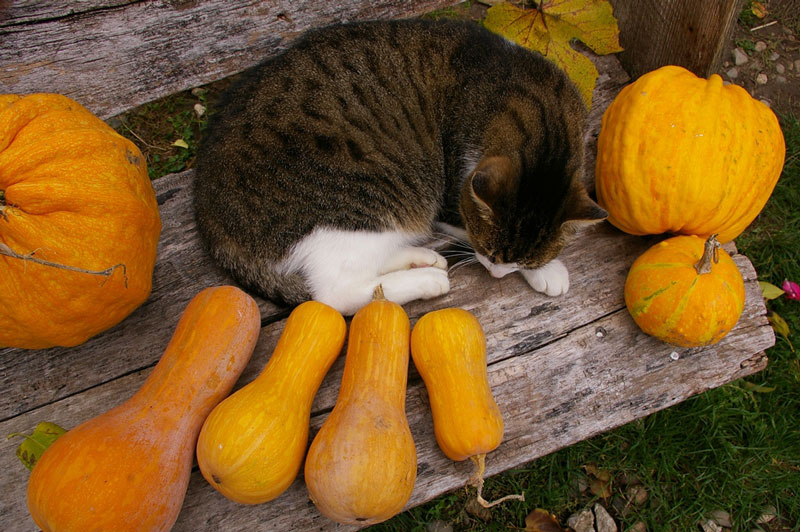
Have you ever wondered, can cats eat butternut squash? Well, the answer is yes! Butternut squash is a healthy vegetable that can be shared with our feline friends in moderation. It’s not toxic for cats, which is great news! However, we should always approach introducing new foods with caution. So, let’s learn more about how this food can fit into our cat’s diet.
Butternut squash is loaded with vitamins and nutrients that are beneficial to both humans and cats. It’s a good source of fiber, antioxidants, and essential vitamins like A, C, and B6. This means that butternut squash can provide some health benefits to our kitties as well. However, there are a few things we need to consider before we start sharing our squash dishes with our furry companions.
Keep reading to discover more about butternut squash, its benefits, how much we can safely give our cats, and what risks we should be aware of. The more informed we are, the better we can care for our whiskered pals!
You might also be interested in: Can Cats Eat Pumpkin?
Can Cats Eat Butternut Squash?
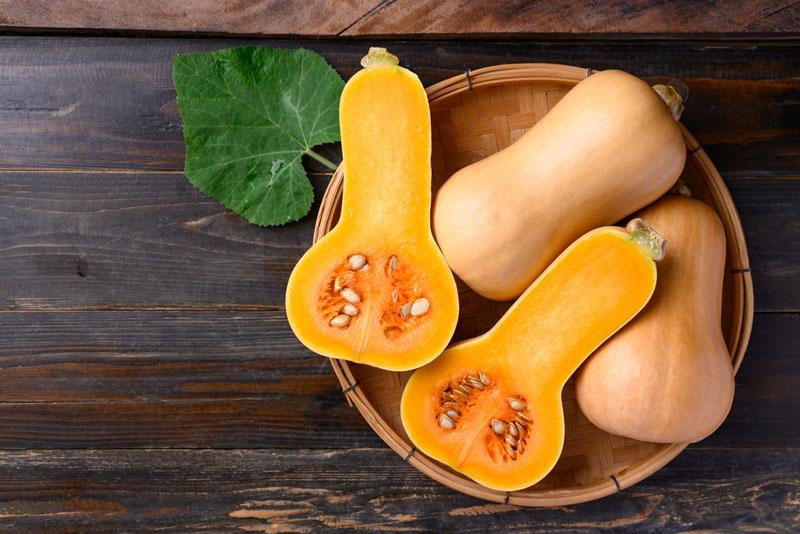
So, can cats eat butternut squash, really? Absolutely! As mentioned earlier, butternut squash is safe for cats to eat. This orange-fleshed fruit is crunchy and sweet, making it appealing to our kitty critters. While cats are obligate carnivores—meaning their primary diet consists of meat—they can still enjoy vegetable treats like squash in moderation.
One of the simplest ways to introduce butternut squash to your cat’s diet is by cooking it. Steaming or boiling the squash can make it tender and easier for cats to digest. Just remember to avoid adding any seasonings, spices, or butter since those can be harmful to your cat’s health. Simply serve small, bite-sized pieces of plain butternut squash as an occasional treat, and watch your feline enjoy this novel addition to their diet!
How Much Butternut Squash Can Cats Eat?
When we think about adding butternut squash to our cats’ meals, we need to be mindful of how much is appropriate. Portion control is key! Cats have delicate digestive systems, and too much of any new food, including squash, can lead to tummy troubles.
Experts suggest that when introducing butternut squash, we should start with a small amount—about a teaspoon or so, depending on the size of our cat. For larger breeds, we can gradually increase the portion to a tablespoon or two. Remember, moderation is crucial! Butternut squash should never replace the main part of our cat’s diet, which should remain protein-based.
As we continue to observe how our cat reacts to this new food, we can adjust the serving size accordingly. If our feline seems to enjoy the taste and doesn’t experience any digestive upset, we can offer it as a special treat once in a while. Balancing their diet ensures that they receive essential nutrients while enjoying the occasional taste of something new!
Observing our cats when we introduce butternut squash is essential. If any signs of discomfort arise, such as vomiting or diarrhea, we should immediately stop feeding squash and consult with our veterinarian if needed.
Benefits Of Butternut Squash To Cats
1. Vitamins and Minerals: Butternut squash is packed with vitamins and minerals essential to our cats’ health. It’s rich in vitamin A, which is great for eye health. We all love cuddling our kitties, and we want to ensure they have bright, healthy eyes to look at us with love.
2. Fiber: The fiber content in butternut squash helps support digestion. Since cats can sometimes experience digestive issues, particularly those that are older or have sensitive stomachs, a little squash can aid in promoting regularity and reducing the likelihood of constipation.
3. Low in Calories and Fat: Butternut squash is low in calories and fat, which can be a great treat option for cats that need to watch their weight. Offering this nutritious vegetable can satisfy your cat’s need for a snack without the added calories of many commercial treats.
4. Antioxidants: Another awesome benefit is that butternut squash contains antioxidants that can help to combat free radicals in our cats’ bodies. Antioxidants play a crucial role in keeping our furry friends healthy and may lower their risk of certain diseases.
5. Adds Variety to Diet: Last but not least, introducing butternut squash can add variety to our cat’s diet. Food boredom in cats can lead to them being picky eaters. By adding a new taste and texture, we’re encouraging them to enjoy their meals and try new things!
Dangers Of Feeding Butternut Squash To Cats
While butternut squash has its benefits, we must also be aware of potential risks associated with it. A common issue is that not all cats will enjoy the taste or texture. Cats are notoriously picky about their food, and introducing squash may not be met with enthusiasm. It’s essential to keep this in mind when trying to expand our cats’ palates.
Another risk to keep an eye on is portions. If we offer too much squash at once, it may lead to gastrointestinal distress. Signs like vomiting or diarrhea could indicate that our cat’s tummy isn’t happy with their new treat. Always start small and observe how they react!
Some cats also have allergies and sensitivities to certain foods, including vegetables. Therefore, if we notice any unusual reactions after giving our kitty butternut squash, we should stop immediately and consult our vet to determine if it is safe for them.
Lastly, we should keep an eye on how squash interacts with any medications our cat may be taking. If our feline requires a specific diet due to health issues, we should check with our vet before introducing any new foods, including butternut squash. Knowledge is key for keeping our kitties safe!
Substitute Of Butternut Squash For Cats
1. Pumpkin: If our feline does not take a liking to butternut squash, we can consider alternatives like pumpkin. Many cats love the taste of plain canned pumpkin, which is also high in fiber and has similar health benefits.
2. Sweet Potatoes: These are another excellent substitute since they are nutritious and provide similar fiber and vitamins. Make sure to cook them as well and serve in small amounts.
3. Carrots: This can be a fun option! While cats generally do not crave carrots like dogs, they can still benefit from the nutrients in small, cooked pieces.
4. Green Beans: These are also a great option for cats. They have low calories and can be served as an occasional crunchy treat. Just cook them well and avoid adding seasoning!
5. Zucchini: Lastly, zucchini is another vegetable that can be safely fed to cats. It’s great for adding some variety to our kitty’s vegetable intake. Just remember to serve it cooked and plain.
Can Cats Eat Butternut Squash? Frequently Asked Questions
Is Butternut Squash Toxic To Cats?
No, butternut squash is not toxic to cats. However, serving it in moderation is essential to avoid digestive upset.
Can I Feed My Cat Butternut Squash Daily?
It’s best not to make butternut squash a daily staple. Instead, offer it occasionally as a treat while maintaining a balanced diet.
How Should I Prepare Butternut Squash For My Cat?
Cooking the squash by steaming or boiling it without any seasoning is recommended. Ensure it’s tender before serving.
Can Kittens Eat Butternut Squash?
A small amount of butternut squash can be safe for kittens. However, it’s best to consult the vet to ensure it fits into their diet.
What Should I Do If My Cat Has An Allergic Reaction To Squash?
If you notice any signs of an allergic reaction, such as vomiting, diarrhea, or unusual behavior, you should contact your veterinarian immediately.
Final Thoughts
In conclusion, butternut squash can be a healthy and fun treat for our beloved feline friends when introduced carefully. The benefits of butternut squash, such as vitamins and fiber, can contribute to our cat’s overall health. However, we must always be mindful of portions and possible reactions.
If you’re curious about more cat-safe foods, check out our blog at Huston Veterinary. If you want to know about what cats should not eat, like zucchini, you can find information here. Let’s keep learning together to provide the best care for our furry companions!