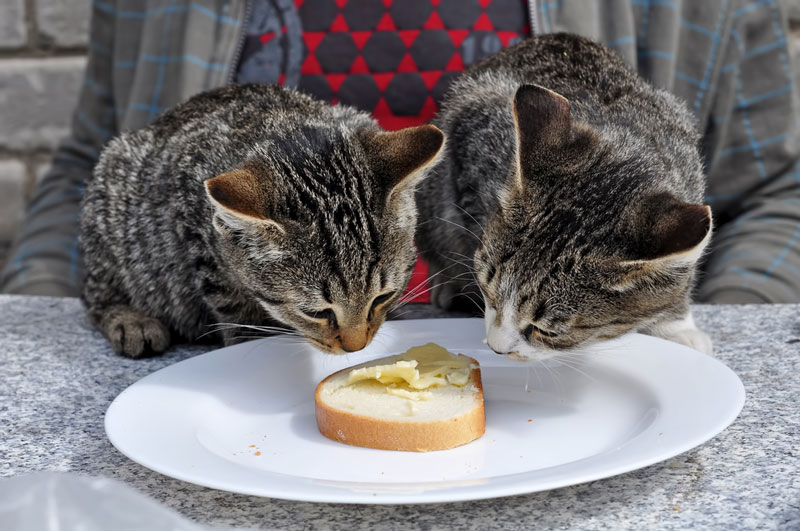
Have you ever wondered if our kitty companions can indulge in a little bit of butter? The good news is that cats can technically eat butter, but it might not be the best treat for them. While butter isn’t toxic to cats, it doesn’t provide any nutritional value, and many cats are lactose intolerant, which means dairy products like butter can lead to tummy troubles.
This brings us to a delightful topic! Butter is a creamy and rich treat that we often enjoy, but when it comes to our furry friends, caution is key. They have different dietary needs than we do, and just like a fancy gourmet restaurant might have special dishes for cats, we should keep their best interests at heart.
So, stick around! We’re going to explore if butter is safe for cats, how much they can have, what the risks are, and if there are better alternatives out there. Let’s jump into the world of feline dining and see what’s on the menu for our beloved whiskered friends.
You might also be interested in: Can Cats Eat Peanut Butter?
Can Cats Eat Butter?
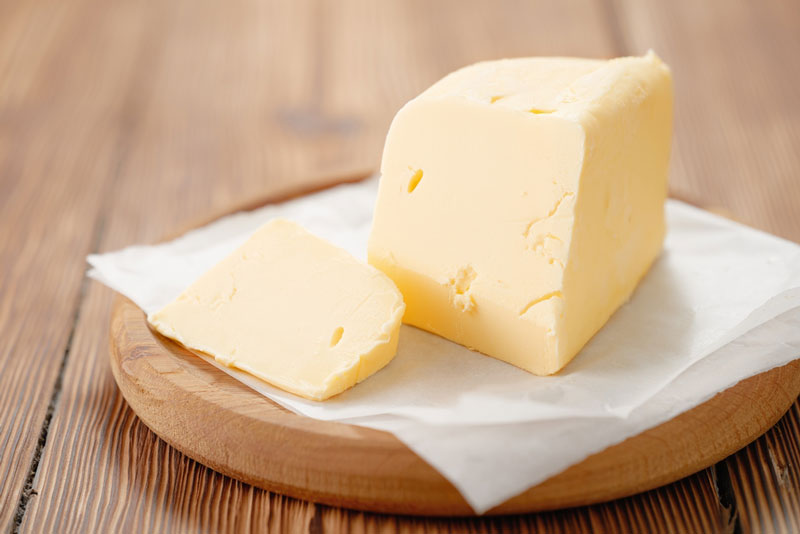
When considering whether cats can eat butter, we have to remember that cats are obligate carnivores. This means their diet primarily consists of meat. Butter, being a dairy product, doesn’t fulfill their nutritional requirements. While a small pinch of butter might not send our cat to the vet, it doesn’t mean we should make it a regular part of their diet.
Many cats are curious creatures, and they do like to explore food. That little clump of butter on our toast might just seem like an intriguing snack to them. But it’s crucial that we approach this curiosity with caution. Even if your cat seems to love the taste, we should consider the potential for digestive upset.
We know that most adult cats can handle small amounts of lactose, but many of them lack the necessary enzyme, lactase, to properly digest dairy. The chances of upsetting their stomach are high if they indulge too much in dairy treats. Symptoms of lactose intolerance can include vomiting and diarrhea, and we certainly wouldn’t want our furry pals to suffer just because we wanted to share a little buttery goodness.
Another thing to consider is that butter is high in fat. Although fats are essential in limited amounts for a cat’s diet, too much of it can lead to obesity. Obesity in cats can spiral into several health issues, including diabetes and joint problems. It is wise to maintain a balanced approach to what we feed our pets.
So while butter isn’t outright harmful, it certainly isn’t the healthiest snack for our little furballs. Instead of heading for the fridge, we should focus on offering them treats that align more closely with their natural dietary needs.
How Much Butter Can Cats Eat?
Now that we understand that butter isn’t the ideal cat treat, how much can they have if they do get a taste? Well, moderation is vital. If you want to offer your kitty a lick of butter, ensure it’s just a tiny amount—a smear the size of a pea might be enough. The rule here is not to make it a daily snack but rather an occasional splurge.
It is essential to keep an eye on how your cat reacts. If they seem to enjoy the taste and don’t show any signs of distress, we can consider it an amusing treat. However, if they exhibit any adverse symptoms, it’s best to steer clear of giving them butter again.
We should also take into account our cat’s overall health. Cats who are overweight or have underlying health issues, particularly those related to diabetes or pancreatitis, should avoid butter altogether, as it’s high in fat. It’s always best to consult with a vet regarding our cat’s specific needs so we can ensure they are getting everything they need nutritionally.
Additionally, if you are ever unsure, look for other treat options designed specifically for cats. There are so many delicious products out there that cater to their dietary needs, such as treats high in protein that are available in various flavors.
When it comes down to it, while our furry pals may enjoy a little butter, the amount should be minimal, and giving it too often could lead to big problems. If in doubt, let’s keep their diet on track with foods they naturally thrive on!
Benefits Of Butter To Cats
1. Treat: Some may ask, “What benefits does butter have for cats?” While there are limited benefits, a small amount of butter could serve as a treat that some cats find irresistible. It’s creamy and flavorful, making it tempting for them to partake in. Yet, this shouldn’t serve as a staple but just a light bonus every now and then, one that brings a smile to both our faces.
2. Bonding Experience: Another potential benefit of butter could be the bonding experience. Sharing a small morsel of something unusual can create a moment of joy and connection between us and our feline friends. Watching them react to a novel treat can be quite delightful as it ignites their playful nature and curiosity.
3. Disguise Medicine: Butter could also be used in situations where we want to disguise medicine. If our loyal cats tend to be particularly good at avoiding their meds, using a tiny amount of butter may help it go down more smoothly. Of course, we have to be careful with the dosage and stay aware of the possible consequences of adding something to their diet.
4. Extra Calories: In some rare cases, older cats or those recovering from illness may benefit from extra calories. Butter could provide calories quickly, but it’s always best to seek alternatives that are more nutritious for recovery without compromising their health.
5. Helps Soothe Guilt: Finally, if you’re feeling guilty for not sharing your favorite snacks, a tiny bit of butter might help soothe that guilt! Sharing with our pets can feel rewarding, but it’s crucial to be responsible pet parents even in our moments of indulgence.
Dangers Of Feeding Butter To Cats
While butter might seem like a harmless treat, there are indeed several risks and dangers tied to letting our cats eat it. We should be aware of these before offering any to our kitties.
An important concern is the lactose content. Many adult cats are lactose intolerant, so introducing butter may lead to digestive distress. This can result in symptoms like gas, bloating, diarrhea, or vomiting, which are definitely not pleasant for anyone involved.
Moreover, the high-fat content in butter can contribute to obesity if given frequently. Obesity in cats can lead to a slew of health issues, such as diabetes, joint pain, and a reduced lifespan. We want our furry friends to thrive, and extra weight is the enemy of that goal.
Another danger to consider is pancreatitis, especially in cats with sensitive digestive systems or those who are introduced to high-fat foods too suddenly. Pancreatitis can be a serious and painful condition, so risking it over a dollop of butter is not worth it.
Lastly, there is a risk if a cat develops a taste for human food, and butter could trigger a desire for more human snacks. If we find ourselves sharing a little too often, we risk our cats wanting more inappropriately and causing long-term behavior or diet issues.
Substitute Of Butter For Cats
1. Cat Treats: If we are looking for a tasty alternative that fulfills our cat’s dietary needs, look no further than treats made specifically for cats. Brands offer a multitude of flavors geared for their health and preferences. These are often free of components that may cause digestive distress.
2. Cooked Chicken or Fish: Another enticing option is to use small bits of cooked chicken or fish. Cats naturally gravitate towards protein, and these alternatives allow them to enjoy a tasty snack without compromising their health.
3. Yogurt: If you are considering an occasional creamy texture, why not offer small amounts of yogurt? Look for plain varieties that are free of added sugars. It’s another way to check if your cat enjoys dairy without exposing them to the same level of lactose as butter.
4. Catnip-infused Treats: In some cases, catnip-infused treats can become a delightful substitute. These treats not only provide a tasty experience but are also a great way to engage with our furry companions, leading to playful moments.
5. Canned Food: Finally, consider mixing canned food into their bowl. Canned food generally contains moisture and delicious flavors that can satisfy our kitties without causing unnecessary health issues.
Can Cats Eat Butter? Frequently Asked Questions
Can All Cats Have Butter?
No. Butter is not suitable for cats. While it isn’t toxic, butter is very high in fat and contains dairy, which most cats cannot digest properly. Even small amounts can lead to stomach upset, diarrhea, or vomiting.
How Can I Introduce Different Treats To My Cat?
Introduce new treats slowly and in very small amounts. Offer only one new item at a time and watch your cat for 24 hours for any signs of digestive upset or allergic reaction. Always choose treats made specifically for cats whenever possible.
What Should I Do If My Cat Has Diarrhea After Eating Butter?
Stop giving butter immediately and ensure your cat has access to fresh water to prevent dehydration. Monitor them closely; mild diarrhea may resolve on its own. If diarrhea persists, worsens, or is accompanied by lethargy or vomiting, contact your veterinarian.
What Are Some Healthier Treats For Cats?
Healthier treat options include veterinarian-approved cat treats, freeze-dried meat snacks, or small pieces of plain cooked chicken, turkey, or fish without seasoning. These provide protein without the excess fat and lactose found in butter.
Is It Okay To Give My Cat Dairy Products?
Generally, no. Most cats are lactose intolerant, and dairy products like butter, milk, and cheese can cause digestive issues. If you want to give dairy, only use products specifically formulated for cats and offer them sparingly.
Final Thoughts
As we wrap up our discussion about butter and its potential role in a cat’s diet, we must emphasize that moderation is key. While butter itself is not toxic, it doesn’t replace healthier alternatives that cater to our cats’ delicate dietary needs. We want our furry friends to live long and healthy lives, and our careful choices make all the difference in their journey with us!
So let’s keep looking out for their best interests! We can find plenty of terrific options for cat treats out there. If you want to understand more about what to share with our pets or the foods we should completely avoid. there are numerous articles on such topics at Huston Veterinary. You might find it interesting to read about whether cats can eat almond butter and the unexpected consequences of it at this link. The world of pet diets is vast and exciting, so let’s enjoy exploring it together!