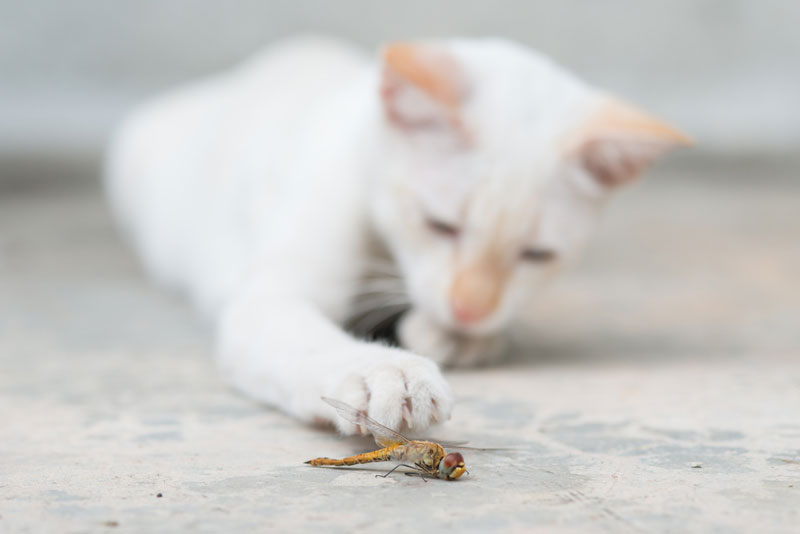
Have you ever seen your cat pouncing after a bug, only to wonder, can cats eat bugs? Well, yes, they can! Cats are natural hunters, and bugs are often part of their playful antics and snack options. Just like a cat chasing after a little fly or a spider, they might indulge in munching on these creepy crawlies from time to time. But how safe is it really for our feline friends? Let’s explore together!
It’s fascinating to think that many cats might see bugs as a delightful treat. After all, in the wild, felines would hunt small insects as a part of their diet. They have a history of being skilled hunters, whether it’s a fluttering moth or a crawling ant. While we might get squeamish thinking about bugs as food, for our furry pals, it’s all part of their instinctual behavior. Keep reading as we dive deeper into whether cats can eat bugs.
We encourage you to keep reading! You might be surprised by what you learn about the diets of our beloved pets and how to keep them safe and happy while allowing their natural instincts to shine. There’s a lot to unpack, so let’s jump right in and explore all aspects of bugs in a cat’s diet!
You might also be interested in: Can Cats Eat Spiders?
Can Cats Eat Bugs?
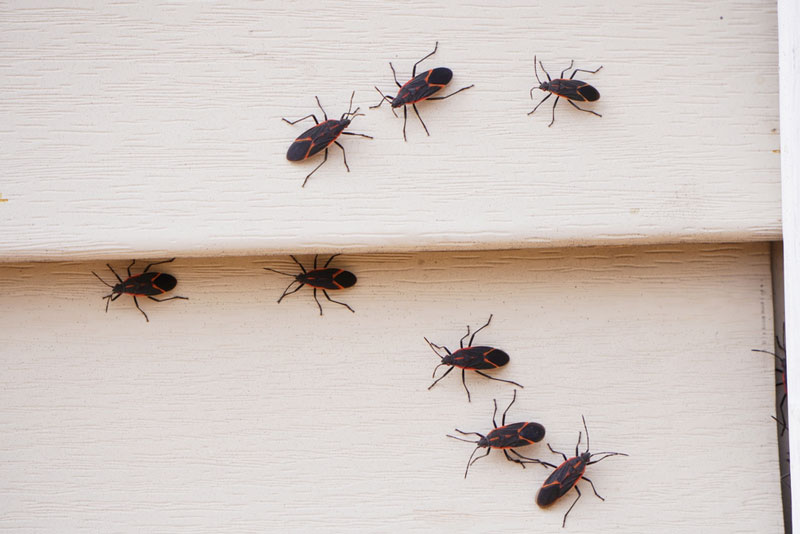
As pet lovers and responsible owners, we often have questions about what is safe for our pets to eat. This includes the question of whether cats can eat bugs. The short answer is indeed, cats can eat many types of bugs. They are obligate carnivores, meaning their natural diet primarily consists of animal proteins. Insects can actually provide a good source of protein and fat for our feline friends. Just imagine them in the wild, catching a delicious cricket or a plump grasshopper! Yum!
Now, not every critter hanging around might be safe for your cat to munch on. Some bugs might cause digestive issues or even be toxic. Beetles, stick bugs, and certain caterpillars can be harmful, so careful observation is crucial. We should always be on the lookout to see what our cats are eating and what insects are hanging out in our homes and gardens. But most household insects, such as common flies and crickets, are generally harmless in moderation.
It’s also interesting because we can see this nurturing side of our cats when they show interest in bugs. They stalk, chase, and pounce like little ninjas. It’s great exercise for them and, honestly, pretty entertaining to watch! So, while we might hose the bug down with a spray or wish they weren’t in our living spaces, to our cats, they seem like an exciting adventure and potential snack!
How Much Bugs Can Cats Eat?
It’s vital to have a clear picture of how much of this insect protein is appropriate for our feline companions. While bugs can be a fun treat and enrichment for your cat, we need to keep moderation in mind. Too much bug consumption could lead to an upset tummy. Cats have a small digestive tract, making them less able to handle large quantities of anything that doesn’t sit well.
Let’s consider a few important factors. Firstly, if you find your kitty munching on a bug, it’s typically fine if it’s an occasional nibble. Many cats might indulge in one or two bugs a day while keeping their eyes peeled for more. Their instincts guide them to hunt and eat, and that includes little insects. It’s natural!
That said, a treat here and there shouldn’t replace their main diet. Cats should still be fed quality cat food that meets their nutritional needs. Think of bugs as a fun snack or a source of entertainment rather than a staple. If your cat has insatiable bug-hunting instincts and is consuming them more often, it might be time to redirect that energy toward bug toys or other forms of play. Keeping them engaged with interactive toys is essential!
In terms of quantity, a couple of bugs here and there are more than enough. It’s really about moderating their exposure and observing how they react. If you notice any changes in their behavior — like upset stomach, vomiting, or changes in their litter box habits — it’s best to consult our veterinarian.
Benefits Of Bugs To Cats
1. Natural Instincts: Bugs can stimulate their natural hunting instincts. Watching them pounce and chase can add excitement to their daily routine, helping to keep them active and engaged. Cats have evolved to be hunters, and allowing them to act on this behavior is beneficial for their mental health.
2. Protein Source: Insects are a source of protein that can supplement their diet. Bugs typically contain proteins and fats that contribute to a well-rounded meal. They can be a crunchy little snack offering different nutrients when enjoyed in moderation.
3. Weight Management: Encouraging a healthy play session while allowing bug chasing can help manipulate a cat’s weight. Play is a fantastic way to burn off extra energy, so providing opportunities to chase after bugs safely can help maintain a healthy weight.
4. Variety: Feeding our cats mostly the same food can get mundane. Introducing bugs occasionally can provide a bit of variety in their diet and stimulate their excitement about food! It is important for our cats to have varied experiences to maintain their joy in play and eating.
5. Enrichment: Bug hunting can act as mental stimulation. By allowing our cats to explore these little nuisances, we give them a chance to engage their senses and hone their hunting skills. This is especially important for indoor cats who may not have as many activities to keep them busy.
Dangers Of Feeding Bugs To Cats
While there are benefits to letting cats munch on bugs, it’s also imperative to recognize the risks involved. Not all bugs are created equal in the world of kitty snacks! Some insects can lead to serious health problems, and we must be vigilant about what our cats are consuming.
One of the primary concerns is toxicity. Some bugs, like fireflies and certain caterpillars, can be poisonous to cats if ingested. Even a tiny morsel could pose a risk, compelling us to be cautious about the type of bugs found in our living spaces or gardens.
Add to that, certain bugs might carry parasites that can lead to more significant health problems. Fleas, ticks, and worms are just a few examples of what our cats could potentially pick up from bugs. Depending on the insect, they might transmit illnesses or infections, making it incredibly important to consult our veterinarians if we suspect any bugs our cats have eaten might pose health risks.
Lastly, a lot of bugs might cause digestive issues. If our cats consume too many in a short period, they could have upset stomachs leading to vomiting or diarrhea. Of course, no cat lover wants to see their furry buddy unwell. Keeping an eye on how many bugs are consumed is crucial for their overall health.
Substitute Of Bugs For Cats
1. Cat Treats: Commercial cat treats are a great alternative to bugs. Many offer flavors like chicken, beef, or fish, and are designed to provide the nutrients our cats need. They can satisfy both our cats’ taste buds and our concerns about safety.
2. Raw or Cooked Meat: Real food options like small bits of chicken or turkey can serve as excellent substitutes. They deliver protein similar to insects while being tasty and healthy. We can offer leftovers as long as they are free from sauces or seasonings that could be harmful.
3. Chew Toys: Engaging our cats with chew toys modeled after bugs can serve a dual purpose: keeping them entertained while saving our homes from pesky insects. This way, we accommodate their hunting instincts and prevent them from snacking on real bugs.
4. Interactive Feeders: Fill these contraptions with their favorite kibble to stimulate mental and physical energies. For cats that love to hunt, these toys will provide the necessary challenge and keep them from pondering actual bugs in the house.
5. Homemade Cat Treats: If we’re feeling adventurous, we can make our cat treats! With simple ingredients like tuna or chicken, we can bake tasty bites that our cats will crave, ensuring they stay away from those rarely harmful insects.
Can Cats Eat Bugs? Frequently Asked Questions
What Types Of Bugs Are Safe For Cats?
Common household bugs like crickets and small flies are usually safe in moderation. It’s crucial to research individual insects to determine their safety!
Can Bugs Make My Cat Sick?
Yes, certain bugs can cause illness if consumed. Toxic insects should be avoided altogether.
How Do I Know If My Cat Is Allergic To Bugs?
Watch for symptoms such as vomiting, diarrhea, or unusual behavior. If suspected, contact your veterinarian for advice.
Should I Discourage My Cat From Eating Bugs?
While the occasional bug snack is generally fine, it is a good idea to monitor their consumption and ensure they’re not getting too many.
Are There Any Advantages To Letting My Cat Eat Bugs?
Of course! It can provide mental stimulation, satisfy natural hunting instincts, and offer some protein. But moderation is key!
Final Thoughts
In conclusion, we find ourselves at a crossroads filled with options for indulging our feline friends’ natural desires. Can cats eat bugs? They certainly can, and it can be a natural part of their playful behavior and diet! However, as responsible pet owners, we must be cautious about the types of bugs and the amounts they consume.
We can navigate this adventure together while ensuring our cats remain safe and healthy. By providing safe alternatives like cat treats and appropriate feeding toys, we can satisfy our cats’ instinct to hunt while keeping their health as our top priority. After all, healthy cats make for joyful hearts, and that’s a win-win for all of us! If you want to learn more about fascinating pet topics or explore what else we can do to keep our pets healthy, check out some of our other articles here, or learn if cats can eat ants here. Our furry friends bring endless joy, and we should do our best to keep them safe and healthy!