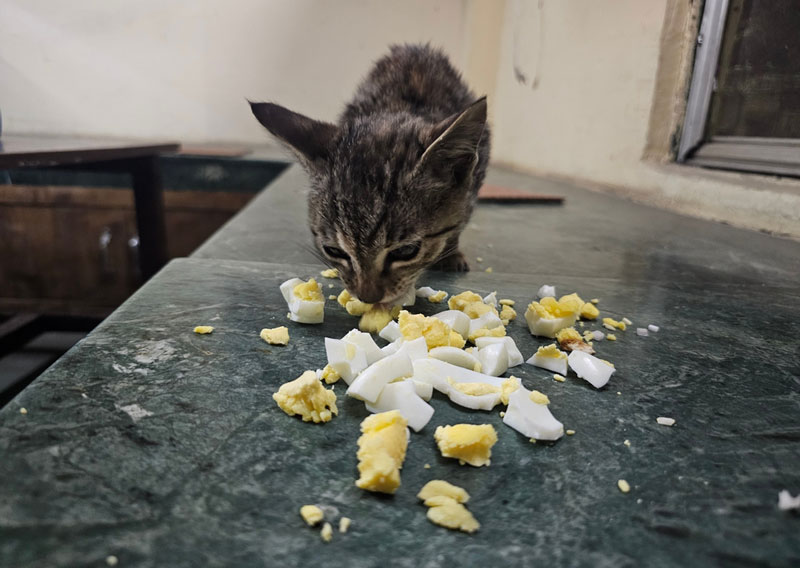
Have you ever wondered if our feline friends can enjoy a tasty boiled egg? Well, the good news is that yes, cats can indeed eat boiled eggs! In fact, when prepared correctly and offered in moderation, boiled eggs can be a delightful and nutritious treat for our furry companions.
Boiled eggs are packed with protein and essential nutrients that can contribute to a cat’s overall health. We all know how picky cats can be, yet some might just purr with delight at the smell of a well-cooked egg. While eggs should not become a staple in your cat’s diet, they can certainly complement it if given as an occasional snack.
Stick around as we explore everything related to boiled eggs and cats. We’ll discuss their benefits, how many to give, potential risks, and even some tasty substitutes to keep your kitty happy and healthy.
You might also be interested in: Can Cats Eat Scrambled Eggs?
Can Cats Eat Boiled Eggs?

When it comes to the question of whether cats can eat boiled eggs, the answer is a resounding yes! Boiled eggs provide a rich source of protein, which is essential for our feline friends. Eggs are also loaded with vitamins such as B12 and riboflavin, both of which are great for supporting their metabolism and overall energy levels. Not to mention, eggs contain healthy fats, which can help your kitty maintain a shiny, healthy coat.
However, it’s essential to remember that moderation is key. While boiled eggs can be an excellent treat, they should not replace a balanced diet tailored specifically for cats. The primary source of nutrition for our cats should always be high-quality commercial cat food, as it is specially formulated to meet their dietary needs.
So, how should we introduce boiled eggs into our cats’ diets? Let’s take a closer look at how to prepare them, how much to serve, and the optimal way to offer this delicious treat.
How Much Boiled Eggs Can Cats Eat?
It’s important to monitor how much boiled egg we give our cats. A small amount (like half an egg) is usually enough for a treat. We don’t want our pets to overindulge, as too much addition of a new food can lead to tummy troubles. Keeping portions small ensures they can enjoy this new snack without digestive issues. Depending on your cat’s size, age, and activity level, this may vary, so it’s always good to check with your vet for personalized advice.
When serving boiled eggs, we should remove the shell and chop the egg into small, manageable pieces. Larger chunks can be a choking hazard. Besides, cats tend to eat small bites anyway. Some cats might be picky eaters, while others might gobble it down like our best friend is hosting a dinner party! If your cat seems hesitant, try mixing a bit of the egg with their regular food to ease them into the change.
It’s a good idea to introduce any new food slowly or sparingly and observe your cat’s reaction. After all, we wouldn’t want to offer them a snack and have them turn their little noses up at it! If they love it, we can treat them occasionally, say once a week or even once every couple of weeks, as a reward for being such a marvelous pet!
Another consideration is if your cat has any specific dietary restrictions or health issues, particularly related to their liver or kidney health. In that case, consulting with a veterinarian is crucial before introducing unusual treats into their routine. Monitoring their weight and ensuring they aren’t gaining too much with added extras can also help keep our fur-babies healthy.
Overall, boiled eggs are a fun and rewarding snack, as long as we remember to offer them as a special treat rather than a regular meal replacement. We all want our furry friends to thrive, and a little protein boost can certainly help!
Benefits Of Boiled Eggs To Cats
1. Source of Protein: Firstly, boiled eggs are an excellent source of protein. Cats are obligate carnivores, which means they rely on protein for energy and overall health. Offering boiled eggs as a treat provides our cats with high-quality protein that supports muscle development and maintenance.
2. Vitamins and Minerals: Another advantage is that boiled eggs can enrich our cats’ diets with essential vitamins and minerals. Eggs are particularly high in Vitamin B12, which aids in the formation of red blood cells, and riboflavin, which contributes to energy production. These vitamins are vital for our cats’ healthy living, helping them to be active and playful.
3. Maintain Skin’s Health: The healthy fats found in eggs help keep our cats’ coats shiny and smooth. Fats can play a vital role in maintaining the skin’s health, reducing dryness, and preventing itching. We all want to run our fingers through our cat’s fur and feel that softness; boiled eggs might help us achieve just that!
4. Bonding Experience: Boiled eggs could also serve as a bonding experience. If we choose to prepare eggs for our kitties, we can enjoy the process of feeding our feline friends and watching their reactions. Wouldn’t it be adorable to see their excitement when they benefit from our cooking efforts? Such moments can make us feel closer to our pets.
5. Dental Health: Last but not least, boiled eggs can be a solution for cats with dental issues. Many cats struggle with chewing harder treats, especially as they age. Offering soft boiled eggs can provide a tasty option that allows them to enjoy snacks without discomfort.
Dangers Of Feeding Boiled Eggs To Cats
As much as we love the idea of our cats enjoying boiled eggs, it’s essential to consider potential risks. We want to keep our furry friends safe and healthy. One risk associated with feeding boiled eggs is the possibility of allergies. Just like humans, cats can develop allergies to certain foods. If a cat is given an egg for the first time, we should observe them closely for signs of an allergic reaction, such as itching or digestive upset.
Another concern is calorie count. Cats have specific dietary needs, and while boiled eggs are nutritious, too many can lead to excess calories. Overindulging in treats can result in weight gain, which can cause joint issues or predispose them to certain medical conditions. Always keep the portions small and monitor any changes in weight. A good feline parent should keep an eye on those tiny tummies!
Undercooked eggs can carry the risk of salmonella or bacteria. We should always ensure that the eggs are hard-boiled and thoroughly cooked before offering them to our cats. Raw eggs may pose a health risk not only to our cats but to us humans as well, so let’s avoid those and err on the side of caution.
Lastly, make sure to remove the shell before serving. While egg shells are often touted for their calcium, they could present a choking hazard or cause internal injuries. It’s best to keep the snacks simple and safe!
Substitute Of Boiled Eggs For Cats
1. Cooked Chicken or Turkey: If boiled eggs don’t seem like the right fit, we can consider cooked chicken or turkey, without added seasonings. These protein-rich options provide the same benefits as boiled eggs and have a taste that many cats adore. Aim for lean meats to keep your kitty healthy.
2. Fish: Another substitute can be fish such as salmon or tuna, which is high in protein and healthy fats. Cats typically find fish irresistibly tasty. However, we should moderate the intake to avoid mercury buildup.
3. Commercial Treats: These provide an easy alternative! Many brands offer high-quality protein treats made from real meat, which can be a fun and exciting choice for our kitties.
4. Safe Baby Food: For a boost of nutrients, we might want to consider introducing baby food that is safe for cats—just ensure it does not contain any harmful ingredients. Plain chicken or turkey baby food makes for a hassle-free snack option.
5. Formulated Cat Food: Finally, we can’t dismiss the idea of specially formulated cat food that includes protein as one of its main ingredients. With so many varieties available, we are bound to find something our fur-babies will love and that meets all their dietary needs.
Can Cats Eat Boiled Eggs? Frequently Asked Questions
Are Raw Eggs Safe For Cats?
It’s generally not advisable to feed raw eggs to cats, as they can carry harmful bacteria. Boiled or cooked eggs are much safer options for their health.
How Often Can I Give My Cat Boiled Eggs?
Boiled eggs should be given as an occasional treat, perhaps once a week or bi-weekly. Moderation keeps our cats happy and healthy!
What If My Cat Doesn’t Like Boiled Eggs?
No worries! Not every cat will like boiled eggs. We can try mixing in other protein sources, such as chicken or fish, until we find something that excites their taste buds.
Can Kittens Eat Boiled Eggs?
Kittens have specific nutritional needs and should mostly rely on their mother’s milk or kitten food. It would be best to consult a veterinarian before introducing boiled eggs into their diet.
Can Cats Eat Eggshells?
While eggshells contain calcium, they pose a choking hazard. It’s safest to stick with feeding the egg white and yolk to our kitties.
Final Thoughts
All in all, boiled eggs can indeed be a delightful and nutritious snack for our beloved cats when given responsibly! By understanding the proper portions, potential risks, and suitable substitutes, we can enhance our furry friends’ experiences. Remember to enjoy those little bonding moments when treating them to a tasty surprise—you never know, we might have a happy purring friend at our feet for it.
If you’re curious about more pet food guidelines, feel free to check out our pet care blog, and help ensure our pets are living their best lives! Or if you’re undecided about chocolate treats for your cat, have a look here: Can Cats Eat Quail Eggs? Happy feeding!