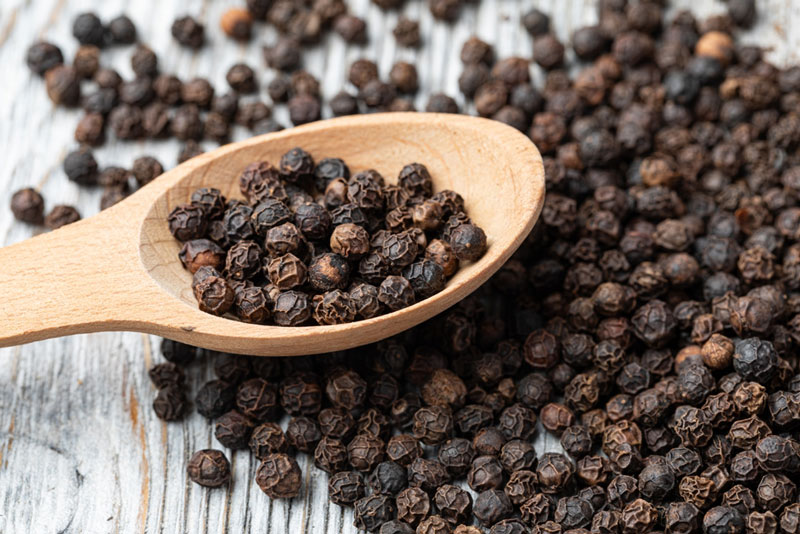
Have you ever wondered if our feline friends can munch on spices like black pepper? The good news is that cats can technically eat black pepper, but it is not advisable. This common kitchen spice can lead to various health issues for our furry pals, so it’s better to keep it away from their meals.
While we enjoy seasoning our food with black pepper, cats have a different digestive system that may not react positively to it. Just because something is safe for humans doesn’t mean it’s safe for our pets. It’s important to understand the differences in their diets so that we can keep them healthy and happy.
So, if you’re curious about the implications of feeding black pepper to your cat, keep reading! We will explore the potential effects, benefits, risks, and much more. From what happens if they nibble on a spice to better alternatives, you’ll find all the answers you need to make informed decisions about your kitty’s diet.
You might also be interested in: Can Cats Eat Chili?
Can Cats Eat Black Pepper?

Black pepper, a common spice found in many kitchens, is often used to add flavor to our meals. For humans, black pepper has some health benefits due to its anti-inflammatory properties. However, when it comes to our furry companions, the story is different. Cats are obligate carnivores, which means they primarily rely on animal-based proteins to thrive. They do not require any spices or herbs in their diet for optimal health.
While an occasional tiny sprinkle of black pepper might not cause immediate harm, it is not something that we should offer deliberately. Cats lack the specific enzymes to properly digest certain compounds found in black pepper, leading to possible gastrointestinal upset. Symptoms may include vomiting, diarrhea, or an upset stomach. So really, it’s best to keep that spice rack off-limits for our furry friends.
How Much Black Pepper Can Cats Eat?
If you are in a situation where your curious kitty has taken a nibble of black pepper, the good news is that she is likely okay if she only had a small amount. However, we need to stress that we should never intentionally feed it to her. If you find your cat has consumed a larger quantity, monitor her closely for any signs of discomfort. If any symptoms occur, contacting your veterinarian is crucial.
The small quantities of black pepper may not cause harm, but it’s essential to understand that all cats react differently to different foods. Some cats might experience no issues, while others could suffer from gastrointestinal challenges. It’s impossible to predict how much black pepper would be safe for a specific kitty, so the best approach is to avoid it altogether.
Understanding your cat’s dietary needs is vital for their overall health. Instead of offering spices, focus on providing a balanced diet rich in high-quality protein sources. There are plenty of safe and healthy treats available specifically designed for our feline friends. These can bring variety to their diet without the concerns associated with seasonings like black pepper.
In summary, while it’s not a deadly substance for cats, the potential gastrointestinal issues and lack of nutritional benefit make black pepper a no-go for our furry companions. Keep spices in your cooking and always opt for cat-friendly treats to ensure their health and happiness.
Benefits Of Black Pepper To Cats
1. Unfortunately, black pepper doesn’t provide any known benefits for cats. Unlike human diets where spices can add flavor and sometimes health benefits, cats have no need for spicy enhancements. Their taste buds are different and not designed to appreciate the complex flavors that human diets may enjoy.
2. Cats thrive on a diet primarily composed of protein from meat sources. They benefit from protein, fats, vitamins, and minerals found in cat food, which are carefully formulated to meet their nutritional requirements. Investing in high-quality cat food is the best and only way to ensure your feline’s health and vitality.
3. There are numerous alternatives that can provide perks for cats without the risks associated with black pepper. Ingredients like pumpkin purees or unseasoned cooked chicken can be a tasty and healthy treat, aiding in digestion or providing hydration.
4. Offering catnip, for example, is a far better choice. Not only is it safe, but many cats also react positively to it, leading to playful antics that can keep them engaged and active.
5. In conclusion, while we may be tempted to experiment with different ingredients in our cat’s diet, black pepper is not a beneficial option. Instead, let’s stick with safe and nutritious choices when it comes to feeding our furry friends!
Dangers Of Feeding Black Pepper To Cats
When we think about our beloved cats, the last thing we want is for them to experience discomfort or health problems. Although the occasional crumb of black pepper might not seem like a big deal, it does carry potential risks. Cats may develop some gastrointestinal issues after consuming black pepper, leading to symptoms such as vomiting or diarrhea. These reactions stem from their inability to digest the spice properly.
Aside from digestive distress, there’s another worry. If a cat inhales pepper instead of eating it, it can lead to respiratory irritation. Like us, cats can sneeze when they inhale particles, possibly causing coughing or wheezing. Keeping all spices safely stored out of reach can prevent such accidents and keep our homes free of stressful situations when cats are curious and playful.
We should also remember that every cat is unique. Some cats may react worse than others, and a seemingly trivial spice could lead to more significant issues for a sensitive stomach. Caring for our pets means knowing what they should and shouldn’t consume, and it’s wise to consult with a veterinarian if unsure.
In short, while black pepper itself doesn’t contain poisonous compounds for cats, it does introduce unnecessary risks. Our goal should be to keep our furry friends healthy and happy, and steering clear of potentially harmful spices like black pepper is one of the best ways to do that. Never hesitate to reach out to your vet if you’re ever in doubt about what’s safe and beneficial for our feline companions.
Substitute Of Black Pepper For Cats
1. Parsley or Thyme: Instead of reaching for black pepper to spice up your cat’s meal, consider using cat-safe herbs like parsley or thyme in very limited amounts. These can introduce flavor without the potential dangers associated with black pepper.
2. Meat or Fish: If you want to enhance your cat’s meal, try adding a small amount of cooked meat or fish. Cats often love the rich flavor and smell of these protein sources. Always ensure they are unseasoned and cooked, making them safe and enjoyable for our furry companions.
3. Pumpkin Purees: This can serve as a great substitute, helping with digestion while also giving your feline a tasty treat. Just remember to use plain canned pumpkin, as seasoned varieties contain ingredients that could upset their tummies.
4. Commercial Cat Treats: Another option is to use high-quality commercial cat treats that are specifically created to be safe and tasty for kitties. These treats come in flavors that cats adore and are designed to ensure their health.
5. Fresh Water: Lastly, we cannot overlook the importance of fresh water. Always ensure our cats have access to clean and fresh drinking water, as hydration is key to their health. Keeping our kitty’s meals balanced without spices allows for a happy and healthy cat environment.
Can Cats Eat Black Pepper? Frequently Asked Questions
What Happens If My Cat Eats Black Pepper?
If your feline friend has eaten black pepper, monitor her closely for any signs of discomfort. Symptoms can include vomiting or diarrhea. In most cases, small amounts may not lead to significant issues, but if any adverse reactions occur, it’s time to contact your veterinarian for guidance.
Are There Spices That Are Safe For Cats?
Yes! Some herbs can be safe for cats in moderation. For instance, catnip and cat grass are popular herbs that many cats enjoy. They can provide entertainment and some additional health benefits without the risks associated with spices like black pepper.
Can I Use Spices In My Homemade Cat Food?
When making homemade cat food, it’s vital to stick with ingredients that are proven to be safe for cats. Avoid using spices like black pepper and focus on meats, safe vegetables, and specially formulated supplements to meet their nutritional needs.
What Should I Do If My Cat Eats Something Dangerous?
If you suspect your cat has consumed something harmful, reach out to your veterinarian immediately. They can provide professional help and assistance based on the specific situation.
Where Can I Find More Information About Cat Nutrition?
There are many reliable resources available online, including vet clinics and pet health websites. An excellent place to start is by visiting our blog, where you can find articles discussing a wide range of pet health topics.
Final Thoughts
In the end, we want the best for our wonderful feline friends. As delightful as it may be to imagine them enjoying foods like black pepper, we have to remember their unique dietary needs and requirements. It’s better to focus on providing a balanced diet with nourishing, safe foods and treats.
Let’s prioritize our cats’ health by steering clear of unnecessary risks that come from spices. Instead, let’s explore the world of cat-safe options available. For more insightful articles about feline nutrition, don’t hesitate to check out our blog or learn about other interesting queries such as whether cats can eat salami. Your pets deserve nothing but the best!