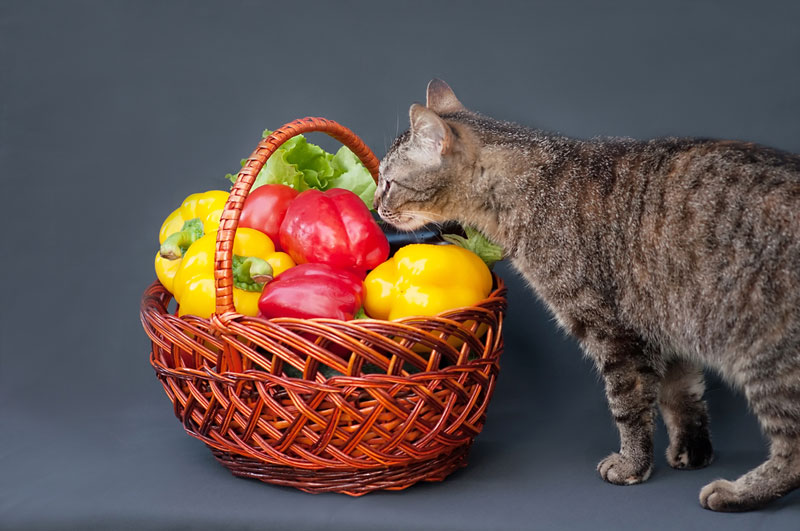
Can cats eat bell peppers? This is a great question to ponder, especially if you have a furry friend roaming around the kitchen while you prepare a colorful salad. The good news is that cats can indeed munch on bell peppers! However, there are some things we need to keep in mind before sharing this crunchy veggie with our feline pals.
Many pet lovers are curious about what they can safely feed their cats. After all, we all want our little companions to be happy and healthy! While bell peppers are not toxic to cats, it is always important to understand the right way to introduce any new food into their diet. So, let’s take a closer look at this tantalizing topic and see what we need to know about our cats and bell peppers!
Are you ready to uncover all the juicy details about bell peppers and whether they are a suitable treat for our kitty companions? Stick around because we’re going to explore everything from how to serve them to the benefits and possible risks! Let’s jump in!
You might also be interested in: Can Cats Eat Pepper?
Can Cats Eat Bell Peppers?
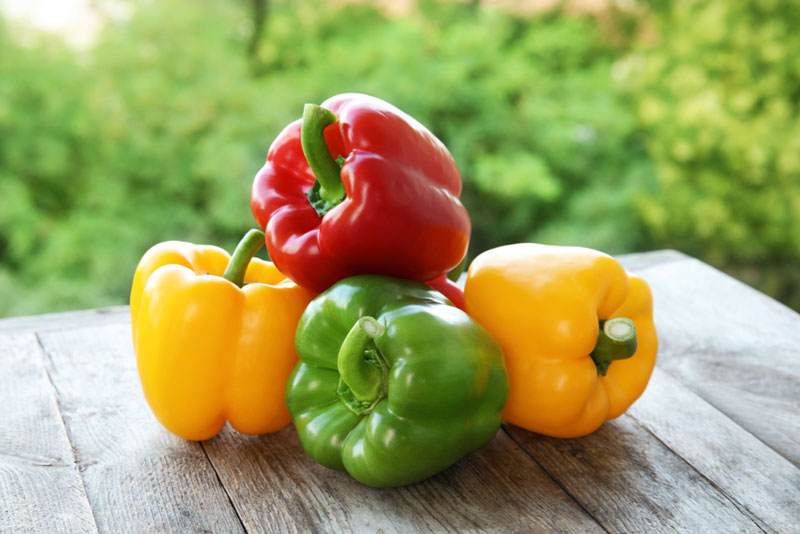
When it comes to cats and their diets, it is crucial to recognize that they are obligate carnivores. This means their bodies thrive primarily on animal-based proteins. However, our fur babies can occasionally munch on plant-based foods, and bell peppers fall into that category. In fact, these vibrant vegetables provide several nutrients that can be beneficial for cats.
Bell peppers are rich in vitamins A and C, along with various antioxidants. While our cats do not require the same vitamins and minerals as we do, a tiny snack of bell pepper can add some variety to their diet. Most felines may have a natural curiosity when it comes to exploring different tastes and textures, so a crunchy piece of bell pepper can be a fun treat! Just remember to introduce any new food slowly, and always observe their reactions.
How Much Bell Peppers Can Cats Eat?
While bell peppers are safe for cats, the amount we should offer them is key. Think of it as a treat rather than a staple – just like feeding our pooches that scrumptious slice of pizza we are eating! We don’t want to overdo it. A few small pieces of bell pepper is all it takes to spice up our cat’s day without overwhelming their digestive system.
So, if you are chopping up some bell peppers for a stir-fry, go ahead and save a tiny piece for your kitty! Cut it into small, manageable bits that will be easy for them to munch. Keep in mind that each cat is unique, so while one little kitty might love the taste, another may turn their nose up. If your cat shows interest, you could offer a small piece once in a while as a treat.
In general, it’s wise to keep the ratio of treats to main meals in check. A good rule of thumb? Treats, including bell peppers, should never surpass ten percent of your cat’s daily food intake. This way, our pets can enjoy the spicy taste of bell peppers while ensuring they are still receiving their essential nutrients from their regular diet.
It’s always a great idea to stay aware of any changes in our cats’ behavior or digestive health. If they seem to show any signs of discomfort after munching on bell peppers, such as vomiting or diarrhea, we should remove this treat from their diet and consult with a veterinarian if needed. Our cats depend on us for well-being, so it’s always better to be cautious!
Benefits Of Bell Peppers To Cats
1. Vitamin C: One of the major perks of bell peppers is that they hold a treasure trove of vitamins, especially Vitamin C. This vitamin plays an important role in maintaining a healthy immune system, which is super important for our pets. Even though cats produce Vitamin C on their own, a bit of extra support from whole foods like bell peppers is a nice bonus.
2. Antioxidants: Bell peppers also contain antioxidants that combat oxidative stress. This is kind of like giving our cats a superhero cape against those pesky free radicals! A little boost from the antioxidants in bell peppers can help keep our furry friends youthful and strong.
3. Fiber: Another benefit is the fiber found in bell peppers. Yes, our kitty companions might prefer a meaty meal, but just like with us, fiber plays its part in helping maintain healthy digestion. A small piece or two can support our cats’ gut health, so long as they stay within their best dietary limits.
4. Low in Calories: On top of that, bell peppers are low in calories! This means we can offer them as a yummy snack without worrying about our kitties packing on extra pounds. Keeping our pets at a healthy weight is crucial for their overall health and vitality, so this makes bell peppers a fantastic treat when enjoyed in moderation.
5. Spark Excitement: Lastly, offering variety in our pets’ diets can spark excitement. We all know that cats can be picky eaters, but introducing different flavors and textures can keep them engaged during mealtime. This change can prevent boredom and give them a delightful reason to look forward to meal times!
Dangers Of Feeding Bell Peppers To Cats
As with any food we introduce to our feline friends, there are some risks we have to acknowledge when it comes to giving cats bell peppers. While these crunchy vegetables are safe in moderation, there are potential issues we should keep an eye on.
For starters, some cats may possess a sensitivity or allergy to certain vegetables, including bell peppers. It doesn’t happen often, but we need to be aware of any unusual reactions they might exhibit after enjoying this snack. If our kitty shows signs of an allergy, like excessive scratching or swelling, it is time to say goodbye to the bell peppers.
Another consideration is how the peppers are prepared. For us humans, cooked bell peppers can be a delicious addition to our meals, but cooking can alter the nutritional content. Certain spices and oils that we may use to flavor our food can be harmful to cats. If we want to share bell peppers with our cats, make sure they are fresh, clean, and free of any added seasonings.
On the digestive front, if a cat eats too many bell peppers, they might experience gastrointestinal upset. Splitting it up into little bites and sharing it in moderation can help prevent any digestive woes. We want our cats to enjoy their treats, not suffer from the aftermath!
It’s also vital to recognize that not every cat will appreciate the taste of bell peppers. Cats are known for being finicky, and we should always have realistic expectations when trying to tempt them with new treats. If your cat snubs their nose at bell peppers, that’s totally okay! We can always find other healthy options that they may enjoy more.
Substitute Of Bell Peppers For Cats
1. Carrots: If bell peppers don’t appeal to your cat or if you prefer to offer a different treat, there are plenty of healthy alternatives! Carrots can be a fun option. They are crunchy, sweet, and packed with nutrients that are great for our cats, including Vitamin A.
2. Zucchini: This is another tasty treat! Similar to bell peppers, zucchini is safe for cats and can be served raw or lightly steamed. Plus, it adds more variety to their snack line-up, opening up a world of flavors!
3. Peas: This can also delight our feline companions. They’re small, easy to chew, and even offer some protein. Just make sure they are cooked and served plain to avoid any added ingredients that may be harmful.
4. Green Beans: These are another crunchy option. They can be beneficial if served fresh and are often enjoyed by our pets. They are low in calories and can provide both fiber and vitamins, just like bell peppers.
5. Melon or Blueberries: Lastly, consider some fruits! Small pieces of melon or blueberries can also be a fun snack for cats. They are juicy and provide hydration along with a bit of essential vitamins, making meal time exciting and delicious!
Can Cats Eat Bell Peppers? Frequently Asked Questions
Are There Any Specific Colors Of Bell Peppers That Are Better For Cats?
Green, red, yellow, and orange bell peppers are all non-toxic to cats. However, none are particularly “better” since cats don’t gain meaningful nutritional benefits from bell peppers. Red peppers contain more vitamins, but cats don’t need these from vegetables.
Can I Give My Cat Bell Peppers Every Day?
No. Bell peppers should not be given daily. Cats are obligate carnivores, and vegetables should only be an occasional treat, if offered at all. Frequent feeding may lead to digestive upset or displace important nutrients from their regular diet.
How Should I Prepare Bell Peppers For My Cat?
If you choose to offer bell peppers, wash them thoroughly, remove the stem, seeds, and inner membranes, and serve a very small piece either raw or lightly cooked with no oil, salt, or seasoning. Always introduce slowly and supervise.
Will Bell Peppers Help My Cat’s Coat Stay Shiny?
No. A shiny coat comes from proper protein intake, essential fatty acids, and overall balanced nutrition—not vegetables. High-quality cat food provides everything your cat needs for healthy skin and fur.
What Other Vegetables Can Cats Eat Besides Bell Peppers?
Some cats may tolerate tiny amounts of cooked carrots, peas, green beans, or pumpkin. These should be plain and given sparingly. Remember, vegetables are optional and not necessary—your cat’s main nutrition should always come from a complete, balanced cat diet.
Final Thoughts
In summary, cats can indeed enjoy bell peppers in moderation! These colorful veggies offer several beneficial nutrients, making it a delightful treat for our furry friends. While there are some potential risks, as long as we introduce them correctly, we can feel confident that we are enhancing our kitty’s diet with healthy snacks.
As loving pet owners, it’s our job to explore and discover what works best for our cats while keeping their health and happiness in mind. Remember that offering bell peppers is just one way we can make mealtime fun! If you’re eager to learn more about other safe foods for cats, be sure to check out our blog for a variety of insights from different food options like fruits they can safely enjoy! The world of pet nutrition is wide open, so let’s continue exploring together!