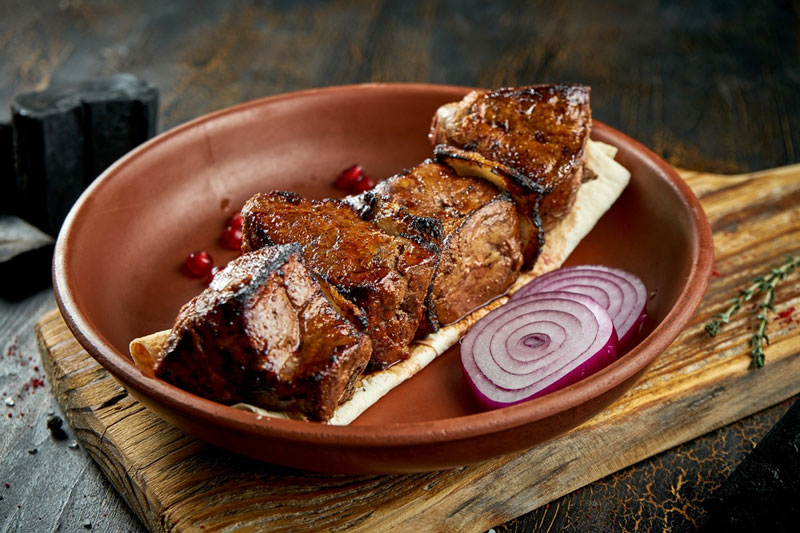
Have you ever wondered if your kitty can enjoy the delicious taste of beef liver? Well, wonder no more! Yes, cats can eat beef liver, and many actually love it. It can be a nutritious treat for our feline friends if given in moderation. But as always, it’s crucial to know how to serve it safely!
Beef liver is packed with nutrients that can benefit our cats’ health. It is rich in essential vitamins and minerals like vitamin A, B vitamins, iron, and copper. However, there’s a catch with this tasty organ meat; too much can cause some problems. That’s why understanding how to incorporate it into our cats’ diet is important.
In this article, we’ll explore everything you need to know about beef liver for cats. We’ll discuss its benefits, how much is safe, potential risks, and even suitable substitutes. So stay tuned!
You might also be interested in: Can Cats Eat Chicken Liver?
Can Cats Eat Beef Liver?
Absolutely! Cats can enjoy beef liver as a treat. Cats are obligate carnivores, which means they thrive on a diet primarily made up of animal products. Beef liver can be one such product that provides vital nutrients they require. As a vet, I often see the benefits of organ meats like this for felines. However, there are some important guidelines to follow.
Feeding your cat beef liver can have positive nutritional outcomes, but moderation is key. You don’t want to turn your kitty into a liver-loving monster! A tiny bit of beef liver can be a tasty, nutrient-rich treat. However, it should not be the mainstay of their diet. Giving it too frequently can lead to vitamin A toxicity because of its high concentration of this vitamin. Your cat might start feeling like they’re running for the Olympics if we aren’t careful. So, let’s look closer at this meaty joy and how we can serve it responsibly.
How Much Beef Liver Can Cats Eat?
Determining how much beef liver to give our furry pals needs a thoughtful approach. When it comes to treats, moderation is crucial. It’s generally suggested to feed liver as an occasional snack rather than a daily item. A good rule of thumb is to keep it to around 1 teaspoon for a standard-sized cat once a week. Now, we might think that sounds like a small amount, but think about it like this: quality over quantity! A little bit goes a long way in terms of nutrition.
We can think of beef liver as a concentrated source of nutrients. While it can provide tons of vitamins and minerals, let’s remember that too much of a good thing can become overwhelming. Imagine our kitty’s stomach doing a somersault with surprise after receiving a huge serving. So, let’s keep things simple and stick to the teaspoon for an occasional treat. If you’re unsure how much liver is appropriate for your cat, it’s a bright idea to consult your vet. They can give you the best guidance tailored to your furry friend’s health needs.
Additionally, when introducing beef liver to our cat’s diet, it’s smart to start small. This means offering a tiny piece and monitoring for any reactions. Some cats may have sensitive tummies, and we wouldn’t want to send them running for the litter box after a liver feast! Over time, if all goes well, we can gradually increase the amount. Just listen to your cat and their little tummy. They will tell us if they love beef liver or prefer to give it a paws-up.
Always remember: every cat is a bit different. Factors such as age, health status, and activity level can play into how much they can safely enjoy beef liver. So, we’ve established that this luxurious treat should be given sparingly and with care so our cats can savor rather than suffer!
Benefits Of Beef Liver To Cats
1. Rich in Vitamin A: One major benefit of beef liver for cats is its rich supply of vitamin A. This vitamin is essential for vision, immune function, and skin health. A small amount of beef liver can help ensure our feline friends keep their bright eyes and bouncing energy levels.
2. Overall Vitality: Iron content in beef liver is another highlight. Cats require iron for proper red blood cell production. This means that incorporating beef liver judiciously can help maintain our kitty’s energy levels and overall vitality. Wondering why your cat seems a tad lazy? It might just need a boost of this potent nutrient!
3. Energy production: Beef liver also includes several B vitamins, such as riboflavin, niacin, and cobalamin. B vitamins are vital in energy production, maintaining a healthy nervous system, and support for skin and coat health. Who wouldn’t want to see their kitty strut around with a shiny coat? A sprinkle of beef liver once in a while can help out with that!
4. Supports Physiological Functions: Copper is another mineral present in beef liver. While our cats only need this in small amounts, copper is essential for the formation of red blood cells and maintaining strong connective tissue. It supports physiological functions, and in small doses, it can give our cats a boost of vitality.
5.Contribute To Their Overall Health: Finally, since cats are obligate carnivores, they benefit from the proteins found in beef liver. The amino acids present contribute to their overall health, supports muscle maintenance, and help them grow. Proteins are the building blocks of life, and this meaty treat can help ensure our fur babies stay up and active to chase those pesky laser pointers!
Dangers Of Beef Liver To Cats
As much as beef liver has its perks, it also comes with some potential risks we must remain aware of to keep our kitty’s health in check. While it can boost their nutritional intake, it’s all about balance and moderation.
One major concern is the risk of vitamin A toxicity. Too much beef liver can lead to an overload of vitamin A, causing symptoms like weakness, vomiting, or even more severe problems. We certainly don’t want our little furballs to suffer from something that seems like a good treat. So always stick to those few bites occasionally!
Another danger lies in the sourcing of the beef liver. If we obtain liver from a questionable source, we might risk exposing our cats to harmful substances. Always choose fresh, high-quality liver from a trusted source. Quality matters not only for taste but also for safety! Let’s protect our cats by sourcing their liver from reputable suppliers.
In addition, some cats may have an adverse reaction or allergy to liver or other organ meats. Monitoring for changes after introducing beef liver is essential, and if anything seems amiss, it is best to consult your vet promptly! Nobody wants to see their kitty feeling poorly over a treat!
Lastly, if your cat has existing health conditions, particularly liver or kidney problems, it may be best to steer clear of enriching their diet with liver. Always consult with a veterinarian for expert advice specific to your furry friend’s health needs and dietary plans.
Substitute Of Beef Liver For Cats
1.Chicken Liver: One excellent substitute for beef liver is chicken liver. It shares the same nutrient-rich benefits and is often more readily available. It is also a lot easier for most kitties to digest, making it a fantastic alternative for those with sensitive stomachs.
2. Fish: Fish can also be a great option. Omega 3 fatty acids found in seafood can promote a shiny coat and healthy skin! You can try giving your cat canned salmon or mackerel occasionally. Just remember to check for any potential bones and choose low-sodium options.
3. Organ Meats: Another substitute is organ meats, like kidney or heart. These meats also provide beneficial nutrients that can support a healthy feline diet while offering variety. It’s like a buffet for our pets!
4. Cooked Egg: Cooked egg can also serve as a tasty treat and protein source for our cats. Eggs can be scrambled or boiled, offering a different flavor and texture for your furry friends!
5. High Commercial Cat Food: Lastly, we should consider high-quality commercial cat food that incorporates organ meats, including beef liver, as part of their balanced meals. These are carefully formulated to ensure our cats receive all the nutrients they need without the risks associated with giving beef liver alone.
Can Cats Eat Beef Liver? Frequently Asked Questions
Can I Feed My Cat Raw Beef Liver?
Feeding raw beef liver is not recommended. Raw liver can contain harmful bacteria and parasites that may cause serious illness. Additionally, raw diets increase the risk of nutritional imbalance. If you offer beef liver, it should always be fully cooked and plain.
What If My Cat Refuses To Eat Beef Liver?
That’s completely fine. Not all cats like the taste or smell of liver, and it’s not an essential food. Never force your cat to eat it. A complete, balanced cat food already provides all the nutrients your cat needs, including vitamin A.
Are There Any Age Restrictions For Feeding Beef Liver?
Yes. Kittens should only have very tiny amounts, if any at all, and only on rare occasions. Their growing bodies require carefully balanced nutrition, and too much liver can easily disrupt that balance. Adult cats can tolerate small amounts more safely, but moderation is still key.
Can Cats With Kidney Disease Eat Beef Liver?
Generally, no. Beef liver is high in phosphorus and vitamin A, which can be problematic for cats with kidney disease or other chronic conditions. Always consult your veterinarian before offering liver to cats with health issues.
How Do I Prepare Beef Liver For My Cat?
Cook the liver thoroughly by boiling or lightly pan-cooking without oil, salt, or seasoning. Allow it to cool, then cut it into very small pieces. Beef liver should only be offered occasionally and in small portions—too much can lead to vitamin A toxicity over time.
Final Thoughts
As a loving caretaker, it is our responsibility to nourish our feline companions while ensuring they enjoy a variety of flavors. Beef liver can be one of those delightful treat options in moderation. Remember to serve it sparingly and monitor your kitty’s reactions, allowing this meaty delight to add some pizazz to their dining experience. We want the best for our furry best friends, with both nutrition and taste in mind!
For more pet-related topics and helpful tips, be sure to explore our blog where we delve into subjects like beef jerky safety for cats. Together, we can ensure our kitties have the healthiest and happiest lives possible!