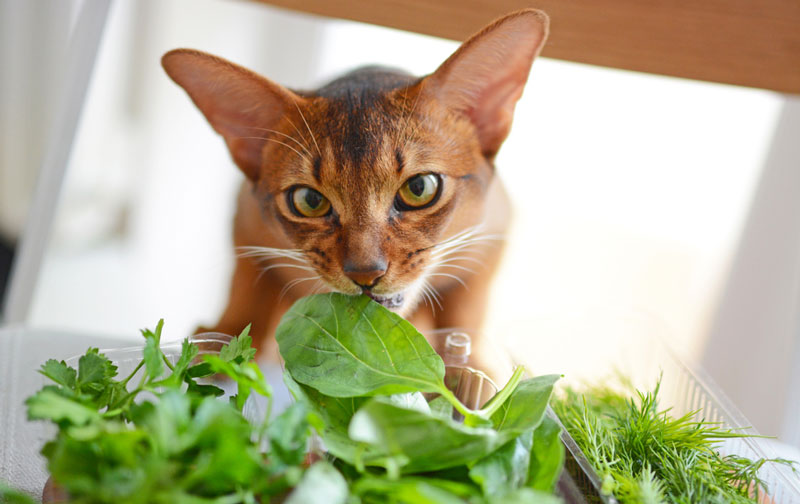
What’s that smell wafting through the kitchen? Is it pizza night? Or perhaps fresh pasta? Basil has that delightful aroma that can make us humans drool. But, have you ever wondered, can our furry feline friends indulge in this fragrant herb too? Well, the quick answer is yes, cats can eat basil! This aromatic herb is not toxic to cats and can even offer some health benefits. But before rushing to sprinkle it on their dinner, let’s unravel more about basil, how much they can eat, and everything else you might want to know!
Isn’t it fascinating how certain herbs are just as loved by our pets as they are by us? Basil is such a staple; it adds flavor to our meals and has a wonderful calming scent. Many of us have seen our cats sniffing around our herbs and wondering if they can safely join in on the fun. In this piece, we will explore the delightful world of basil and its relationship with our feline companions.
Curious about how to incorporate basil into your kitty’s life? Good! Keep reading as we unpack the various aspects of cats and basil, from the best amounts to serve to the potential benefits and risks. This is one journey that promises to be both enlightening and entertaining!
You might also be interested in: Can Cats Eat Chia Grass?
Can Cats Eat Basil?
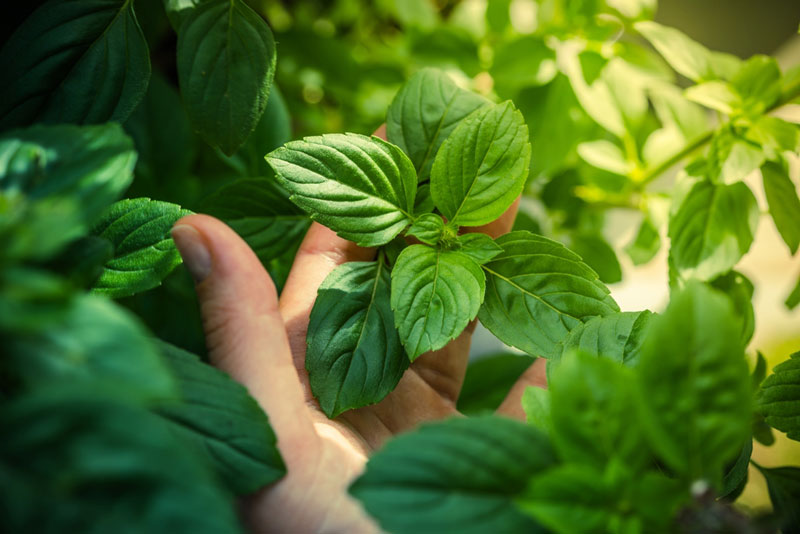
When it comes to basil, many pet parents may wonder if it is safe for cats to munch on this herb. The answer is generally yes! Basil is not listed among the known toxic plants for cats. While it’s good to be cautious about what we offer our pets, basil can be a safe addition to their diet in moderation.
Why do some cats like basil so much? It could be due to its aromatic scent similar to catnip! Yes, you heard that right! Basil can attract cats similarly to how catnip does. While it won’t send them into a playful frenzy like catnip might, many cats enjoy the smell and may even respond positively to its aroma. So if you see your kitty doing the happy dance around your basil pot, there’s no need to fret.
While basil is safe, it doesn’t mean cats should be gorging on it like it’s the last day of summer. Not all plants are created equally, and a little goes a long way. Each cat may react differently, so it’s always wise to observe how your furry friend behaves after trying basil for the first time. Watch for any signs of discomfort or allergies, just to be on the safe side. If they seem to enjoy it without any adverse reactions, then you can consider basil a delightful addition to their culinary world.
How Much Basil Can Cats Eat?
Now that we have established that cats can safely eat basil, the next question is, how much is too much? Moderation is the keyword here. Typically, if you decide to share some basil with your cat, a few fresh leaves now and then should be perfectly fine. It’s just like with human food – one does not simply feast on a whole garden of herbs!
As a general rule, start with just a small piece. Offering a leaf or two is sufficient to begin with. Cats, like humans, have different taste preferences. Some may take to basil right away, while others may pass on it. If your cat doesn’t seem interested the first time, don’t force it. Try again later or mix a tiny bit into their usual food. Just remember, basil is not a substitute for a balanced diet. It should be considered a treat rather than a staple.
As a cautionary note, avoid feeding dried basil as it may be too concentrated and could lead to unwanted digestive issues. Fresh basil is always the better option in this case. And don’t forget about hygiene! Just like with our food, make sure to wash the basil thoroughly before offering it to your furry friend. Nobody wants their kitty having an upset tummy because of dirt or chemicals.
Also, every kitty is unique, and some may be more sensitive to new foods than others. If your cat does have a sensitive stomach, introducing any new food should be done gradually. A bite of basil here and there should not pose any serious issues for a healthy cat. However, if you notice any signs of digestion trouble like vomiting or diarrhea, it might be best to cut back—after all, we want to keep our fur babies happy and healthy!
Benefits Of Basil To Cats
Alright, let’s chat about the benefits! You may be wondering, “What exactly does basil offer my cat besides a delightful smell?” Well, it turns out that basil has several positive attributes that could be beneficial for our feline companions.
1. Anti-inflammatory Properties: Basil is known for its anti-inflammatory properties. This could be helpful for cats who may suffer from any form of inflammation, such as arthritis or other joint issues. Adding even just a pinch of basil to their treats might provide some relief from discomfort.
2. Antioxidants: The herb is also packed with antioxidants. Antioxidants are super important as they help combat free radicals, which can do harm to cells. Keeping your cat’s body free from oxidative stress may contribute to their overall longevity and health. Who wouldn’t want a long furry friend in their lives?
3. Antibacterial Properties: Basil has antibacterial properties. Just think about it – if our cats happen to get a small scratch or cut, having an ingredient like basil in their system might help prevent any infections from occurring.
4. Aid in Digestion: Some studies suggest that basil may help to aid in digestion. If your cat has occasional tummy troubles, tiny amounts of basil can encourage proper digestion and help sooth those pesky digestive systems.
5. Vitamin K & A: Last but not least, basil can be a good source of vitamins, including Vitamin K and Vitamin A, which are essential for maintaining a healthy body. Well nourished kitties are happy kitties!
Dangers Of Feeding Basil To Cats
While basil might seem like a fabulous treat for our feline friends, we still need to keep an eye out for any potential risks. Here, we will talk about some important points to consider when offering your cat basil.
First and foremost, remember that overindulgence in any herb, including basil, can lead to digestive upset. Too much basil can trigger symptoms such as stomach cramps, diarrhea, or vomiting. Just like we should avoid going crazy on pizza night, our cats should enjoy basil in limited amounts.
Additionally, some cats may have allergies or sensitivities to certain herbs. If you do decide to introduce basil for the first time, monitor your cat closely for any unusual reactions. Signs may include excessive scratching, sneezing, or any gastrointestinal disturbances. If you notice any concerning reactions, take them to your veterinarian.
Another point to consider is that while basil is safe, not all herbs fall into the same category. For instance, some herbs, like garlic and onions, are toxic to cats and can lead to serious health issues. As pet owners, it’s our responsibility to be aware of what’s safe and what’s not. So, let’s make sure only basil finds its way into our kitty’s bowl.
If your cat has any preexisting health conditions, it’s always a good idea to check with your veterinarian before introducing any new foods into their diet, including herbs. They will have the best insight into what your cat can safely enjoy. Cats are quirky, and just like people, each has individual needs.
Substitute Of Basil For Cats
Now that we’re all on board with basil, you may be wondering if there are any suitable substitutes or alternatives if your kitty isn’t a fan of basil. Thankfully, there are quite a few herbs that might tickle their fancy just as much. Here are some alternatives we can explore:
1. Catnip: This is the classic feline favorite, and many know about its playful qualities. If your cat is just not into basil, why not offer them a little catnip as a treat instead? It might have them rolling and purring with joy!
2. Parsley: This can also be an option. It’s safe in small amounts and provides some added nutrients. It’s often loved by pet parents for its surprising freshening properties too. Some believe that parsley can help with bad breath!
3. Dill: This is another herb that could intrigue your cat. Just be cautious about the amount. Dill is not toxic to them, but moderation is crucial. A sprinkle or small leaf here and there should make them feel fancy!
4. Thyme: This is full of flavor for us and could be worth trying on our kitties too! It’s not commonly known for attracting cats like catnip, but its aroma could pique curiosity.
5. Mint: Finally, consider mint. Just like basil, mint can have a lovely scent, and some cats might find it delightful! Note that we should avoid giving them peppermint varieties, as those can be too strong. Fresh mint from the garden should do just fine!
Can Cats Eat Basil? Frequently Asked Questions
Can All Cats Eat Basil?
Yes, generally speaking, most cats can eat basil in small amounts. However, individual reactions may vary, so always be cautious!
What If My Cat Seems Uninterested In Basil?
It’s perfectly okay! Cats are picky creatures and may have their own preferences. Offer it again another day or try mixing it into their food.
Is Basil Only Beneficial For Cats?
No, basil has many benefits for humans too! It’s a versatile herb that can enhance various dishes and offer health benefits for us!
Can Cats Get Sick From Eating Basil?
While basil isn’t toxic, too much can upset a cat’s stomach. It’s all about moderation!
How Should I Prepare Basil For My Cat?
Fresh basil is best! You can wash the leaves and offer them as is. You can also chop it up and sprinkle a little on their food!
Final Thoughts
In summary, basil is generally safe for our furry friends and can even provide them with several benefits when offered in moderation. Cats can enjoy a dabble of this fragrant herb, but we must always keep an eye on them to ensure they do not indulge too much. The world of herbs is an exciting one, and we can delight in sharing various culinary treats with our feline pals.
As loving pet parents, it’s crucial to keep our pets’ best interests at heart. Be sure to explore other topics related to your pet’s health and diet, such as cats and sage or peppermint. Understanding our pets’ nutritional needs can help us create a happy and healthy environment for them!