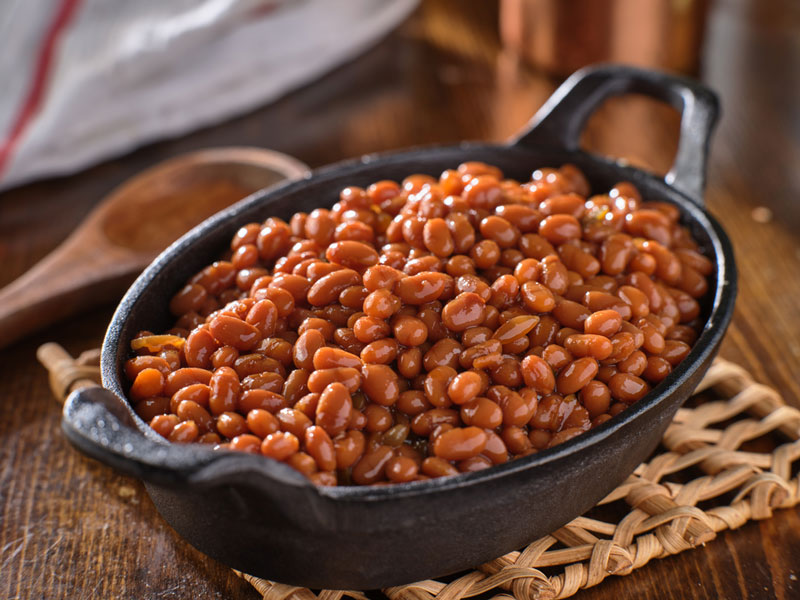
Can cats eat baked beans? This is a common question that many pet owners have. While we love to share our meals with our furry friends, it’s important to know which human foods are safe for them to eat. Baked beans may seem like a harmless treat, but they’re not the best choice for our feline companions. Cats require a specific diet, and beans are not a natural part of their meal plan. So, the short answer is no, cats should not eat baked beans.
As much as we might enjoy a hearty plate of baked beans, our cats have different digestive systems and nutritional needs. Beans can be quite hard for them to digest, which can lead to discomfort or even serious health issues. It is essential to be aware of what we feed our cats and focus on a balanced diet that supports their health and well-being.
Curious about what to feed your cat instead? Let’s explore more about baked beans and the best food choices for our furry friends. Keep reading to learn about the risks and benefits, as well as some healthy alternatives!
You might also be interested in: Can Cats Eat Refried Beans?
Can Cats Eat Baked Beans?
To start off, baked beans are not the best option for cats, and there are a few reasons for this. The primary ingredients in baked beans include kidney beans, sugar, and various spices. This combination might make them a comforting food for us, but for cats, it can lead to trouble. Cats are obligate carnivores, meaning they thrive on a diet primarily composed of meat. Their bodies are not designed to process plant-based foods well. Although a tiny nibble of baked beans might not send your cat straight to the vet, it’s certainly not a recommended snack.
Cats lack certain enzymes that are required to break down complex carbohydrates. When they consume baked beans, they can experience gastrointestinal distress, leading to symptoms like gas, bloating, and upset stomach. We wouldn’t want our furry friend to feel unwell, now would we?
Another factor to consider is the sugar content often found in baked beans. Many canned baked bean products contain added sugars or spices, both of which can be harmful to cats. High sugar levels can lead to obesity and other health issues like diabetes – definitely something we want to avoid for our beloved felines. So, while it may seem like sharing a spoonful of baked beans would be a fun thing to do, it’s simply not worth the potential risk to your cat’s health.
It’s important to remember that just because we enjoy a certain food, it doesn’t mean our cats will benefit from it. Instead, we should stick to providing them with a high-quality, balanced diet designed for their specific needs. This will contribute to a long and healthy life for our feline friends!
How Much Baked Beans Can Cats Eat?
Now that we can see that baked beans are not the best choice for our cats, let’s explore how much is too much if you accidentally offered them a bite. The reality is that no amount of baked beans should be given to a cat. If you accidentally drop a bean during your meal or if your cat is being extra persuasive, just remind yourself that it’s not worth the risk! Our furry friends have very different dietary requirements compared to us, and we need to prioritize their health.
Even a tiny portion of baked beans can lead to an upset stomach or a more serious reaction in our cats. If they occasionally position themselves to enjoy a morsel, sneak a tiny taste, and it’s far too sweet or salty, it could lead to unwanted complications. Even though we love to spoil our pets, we must take caution when it comes to feeding them human food.
That said, if you have a curious kitty who is more than willing to steal a bean off your plate, it is always best to keep your baked beans and all other human foods out of reach. Besides, your cat would appreciate a nice treat made just for them, like chicken or fish. We should encourage our furry buddies to stick to foods designed explicitly for their needs.
If a mishap occurs and your cat manages to sneak a few baked beans, keep an eye on them for any signs of digestive trouble. This can include vomiting, diarrhea, or lethargy. If any concerning symptoms arise, checking in with a veterinarian is the best course of action. It’s always better to be safe than sorry!
In closing, our cats do not need any baked beans, and we shouldn’t feel guilty about denying them even the smallest crumb. Instead, let’s get creative with healthy cat-friendly treats that keep them happy and healthy. Our furry companions will certainly thank us for taking their nutrition seriously!
Benefits Of Baked Beans To Cats
1.There are certainly benefits for their health when we focus on providing our cats with a well-rounded diet that compliments their nutritional needs. Cats need protein and moisture more than anything else, and it’s essential to get those from high-quality sources. When we focus on a meat-rich diet, our cats will thrive!
2.Providing a balanced diet can help in maintaining a healthy weight. Cats who eat the right foods are less likely to pack on the pounds, which can lead to various health issues. Keeping an eye on their food intake will keep our furry friends active and full of energy. You’ll notice they play more and even seem happier!
3.It’s also crucial for their dental health. Providing them with protein-oriented meals can enhance their dental health as they chew on the food. Dry cat food can help scrape plaque off their teeth, while wet food can provide the moisture they need to stay hydrated. Both forms are good for their overall health!
4.Feeding our cats a high-quality diet can lead to better coat health. Cats eating the right protein and essential fatty acids will have silky, shiny coats. Who doesn’t love to pet a soft and beautiful kitty?
5.Finally, promoting proper hydration is vital for the health of our furry friends. Adding moist food to their diet can assist in keeping them hydrated, thus supporting those kidney sentiments. Maintaining hydration levels in our cats contributes to their overall health!
When we focus on these benefits, we can be confident that we provide our feline companions with the best nutrition they need for optimal health!
Dangers Of Feeding Baked Beans To Cats
There are various risks when it comes to allowing our cats to indulge in baked beans, and they mainly stem from the composition of this dish. As we mentioned, baked beans often contain ingredients that can lead to complicated reactions in our furry friends.
First off, those sweet and savory beans are usually packed with sugar and carbohydrates. With their digestive systems unable to handle these substances, cats can suffer grevious effects. Over time, if your cat continues to get into these sweet temptations, we run the risk of them gaining weight or developing diabetes.
Secondly, the spices and preservatives commonly found in baked beans can irritate a cat’s digestive tract. Most humans enjoy their baked beans with added spices and flavors to enhance their taste, but these can cause gastrointestinal upset in cats. For our furry companions, their sensitive systems can become thrown off by something as simple as garlic or onion powder, both of which can be toxic to cats.
Moreover, any excessive plant-based protein from beans can be hard to digest, contributing to constipation or diarrhea. As we all know, those are not the most pleasant experiences for anyone, especially for our furry pals. By keeping baked beans out of their diet, we can potentially avoid excessive vet visits!
Lastly, we must consider any allergies that our cats may have. Just like humans, cats can develop food allergies to various ingredients. So if a cat gets a hold of baked beans, we may unknowingly introduce something they’ve reacted to, leading to problems down the road.
In conclusion, the risks of feeding our cats baked beans far outweigh any potential benefits. Instead, let’s keep our furry friends safe and away from human foods that could cause harm and aim for a balanced diet that works for their needs!
Substitute Of Baked Beans For Cats
1. Cooked Chicken or Turkey: When it comes to catering to our kitty’s taste buds, there are numerous alternatives to baked beans that are far more appropriate. For starters, cooked chicken or turkey can be a simple and delightful addition to their meals, providing protein and flavor!
2. Canned Pumpkin: is another fabulous choice! Not only is it a great source of fiber, but it can also help with digestion if your cat suffers from constipation. It is important to choose pure canned pumpkin without added sugars or spices.
3. Fish: such as tuna or salmon, can be a special treat that many cats love! Just like us, cats enjoy a little variation in their meals. Keep in mind to prepare it without salt, and always in moderation, since fish can introduce other health issues if overfed.
4. Cooked Vegetables: This can also make for an excellent and safe substitute to mix with their meals! Vegetables like carrots or peas can add variety to their diet and can also provide beneficial vitamins.
5. Commercial Cat Treats: Last but not least, high-quality commercial cat treats designed for felines are a great option! These treats often come in flavors that your cat already loves and are designed to meet their nutritional needs just perfectly.
By swapping out baked beans for more suitable alternatives, we can ensure that we are feeding our furry friends nourishing meals that promote health and vitality. It’s a win-win for everyone involved!
Can Cats Eat Baked Beans? Frequently Asked Questions
What If My Cat Accidentally Eats Baked Beans?
If your cat happens to consume some baked beans, keep an eye on them for any signs of stomach upset. If they show any concerning symptoms, don’t hesitate to consult your veterinarian for further advice.
Can I Give My Cat Beans In Small Amounts?
It’s best to avoid giving any beans, including baked beans. Their digestive systems are not equipped to handle them, even in small amounts.
What Are Safe Treat Options For Cats?
Safe treat options for our beloved cats include cooked chicken, pureed pumpkin, or commercial cat treats designed for their dietary needs!
How Can I Tell If My Cat Is Having A Food Allergy?
Common signs of food allergies in cats can include itching, sneezing, vomiting, or diarrhea. If you suspect your cat has an allergy, consult your veterinarian to determine the best course of action!
What Should I Feed My Cat For A Balanced Diet?
The ideal diet for cats mainly consists of high-quality protein from meat sources, along with moisture from wet food or water. Overall, look for high-quality commercial cat food that meets AAFCO standards for complete nutrition.
Final Thoughts
Cats are precious members of our families, and their health should always be a priority. While baked beans might seem like an innocent indulgence, they pose more risks than benefits. By avoiding feeding our pets human food, primarily those designed for us, we can ensure their long-term health and happiness.
Instead, we should focus on providing nourishing, balanced meals that meet their needs. If you want to find out more about what our furry friends can and cannot eat, check out topics like can cats eat oatmeal. Let’s keep our kitties safe, healthy, and happy paving their way to a long life filled with lots of purring and play!