
Have you ever wondered if your furry friend can enjoy apricots like we do? The answer is no, cats should not eat apricots. While these delicious fruits are packed with nutrients for humans, they are not suitable for our feline companions. This article will explore why apricots are off-limits for cats and what alternative treats we can offer instead.
This might be surprising, especially since we often think of fruits as healthy options. However, cats are obligate carnivores, which means their bodies are designed to process meat, not fruits or vegetables. This article will shed light on the potential dangers of giving apricots to cats, how much, if any, might be safe, the benefits of other cat-friendly foods, and why it’s essential to be cautious about what we feed our pets.
So, if you’re curious about the ins and outs of feline diets and want to keep your cat healthy and happy, continue reading! Let’s explore what makes apricots unfit for cats and discover some great alternatives that they will love.
You might also be interested in: Can Cats Eat Grapefruit?
Can Cats Eat Apricots?
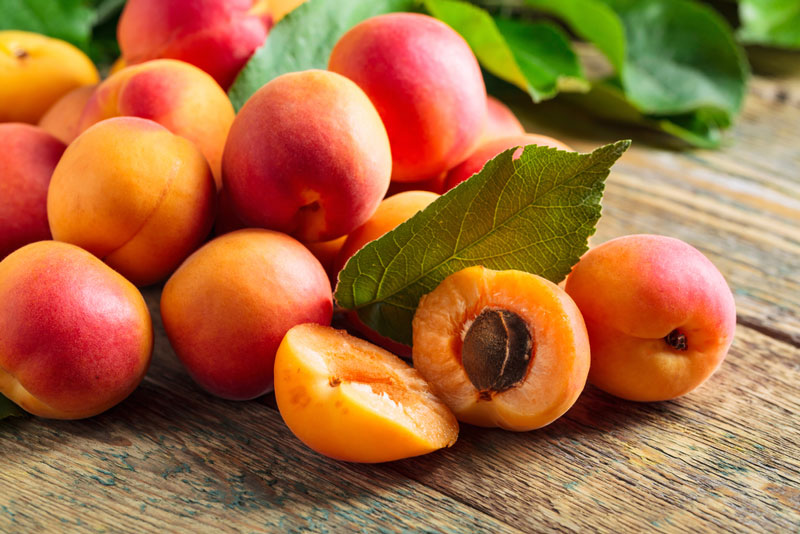
When we think of a sweet snack, apricots often come to mind. These vibrant fruits are juicy, tasty, and rich in vitamins such as A and C, not to mention they add a lovely splash of color to our fruit bowls. But can our beloved cats partake in this delightful treat? Well, the short answer is no, cats should not eat apricots. Although they may appear harmless, apricots contain substances that can be detrimental to a cat’s health.
Apricots belong to the Prunus family, which includes other fruits like cherries, peaches, and plums. While the fruit itself might seem safe, it’s important to remember that cats have unique dietary needs. Being obligate carnivores, felines derive most of their nutrients from animal-based proteins. This means their bodies are not equipped to handle certain types of food, especially those high in sugars or fiber, like many fruits including apricots.
How Much Apricots Can Cats Eat?
If you are wondering how much is too much when it comes to apricots, the clear answer is that any amount is too much for cats. It may be tempting to share a little piece of fruit with our pets, thinking it might be a fun treat, but the risks involved are not worth it. Even a small morsel of apricot could lead to an upset stomach or other health issues in your cat.
Let’s explore what happens when our furry friends munch on apricots. The main concern lies in the fact that apricot leaves and seeds contain cyanogenic compounds. While the fruit itself isn’t highly toxic, a cat’s digestive system is sensitive and can react negatively even to small amounts. Hence, it is advisable to avoid giving your cat apricots altogether.
In general, if you ever find yourself wondering whether a certain food is safe for your cat, it’s better to err on the side of caution. There are countless nutritious and safe options for your feline friend that won’t pose any risk to their health. Instead of apricots, consider offerings like small pieces of cooked meats or specially formulated cat treats. These are designed to cater specifically to your cat’s dietary needs.
Our goal should always be to keep our pets healthy and happy. By being informed about what is safe and what isn’t, we can make better choices for their wellbeing.
Remember, our cats rely on us to keep them safe, so let’s make sure we’re choosing wisely when it comes to their snacks!
Benefits Of Apricots To Cats
1.While apricots themselves are not suitable for cats, exploring the benefits of other fruits can be valuable. Many fruits have rich vitamins and antioxidants that can help support a cat’s health, provided they are safe. For example, blueberries are often considered a superfood for cats.
2.When we choose safe alternatives, we can add variety to our cat’s diet without compromising their health. Feeling adventurous? Some cats enjoy flavors such as pumpkin and pureed carrot, which can be a fun way to introduce vegetables into their diets.
3.By incorporating safe fruits and veggies, we can encourage hydration in our furry friends. Many fruits have high water content, helping keep our cats hydrated, which is especially important for their overall health.
4.Offering healthy alternatives helps create a positive bond between us and our pets. When we take the time to provide them with proper nutrition and special treats, we show them just how much we care.
5.Providing a balanced diet that includes safe alternatives boosts our cats’ immune systems. A strong immune system leads to better overall health, which means more playtime, more cuddles, and longer lives for our beloved companions.
Dangers Of Feeding Apricots To Cats
Although we may think apricots are just a harmless fruit, there are some hidden dangers that come along with them. First, the pit contains cyanide, which can release toxins if ingested. While cats are usually smart enough to avoid them, it is still possible that they could accidentally swallow a tiny piece while chewing on the fruit. This is one of the primary dangers of feeding them apricots.
Even if our kitties manage to avoid the pit, the fruit can present risks too. Felines have very delicate digestive systems, and any new food must be introduced with caution. Feeding apricots might lead to severe stomach aches, bloating, or diarrhea. No one wants to see their precious pets in discomfort, and we always want to ensure their tummies are happy!
In addition to stomach upset, feeding apricots can lead to other long-term health issues, such as allergies or an imbalanced diet. Cats need protein-rich diets to thrive, while fruits contain sugars that could lead to weight gain and diabetes if consumed excessively. Rather than putting our pets at risk, it is better to stick with foods that are formulated specifically for them.
In an unfortunate scenario, if you suspect that your cat has eaten a significant amount of apricot or any part of the fruit, it’s wise to consult your veterinarian. They can provide accurate advice and may recommend treatment if necessary.
Ultimately, we know that we only want the best for our furry friends. Understanding the dangers of feeding them apricots helps us keep them safe while providing a nutritious diet tailored to their needs.
Substitute Of Apricots For Cats
1. Pumpkin: Pumpkin is both nutritious and enjoyed by many cats. It is high in fiber and helps with digestion. Just make sure to offer plain canned pumpkin without any added sugar or spices.
2. Blueberries: Blueberries are a tasty treat and can provide antioxidants that support a cat’s immune system. Just a few berries as an occasional treat can be a great way to add something special to their diet.
3. Carrots: Pureed or cooked carrots can be a delightful option for cats. Rich in vitamins, they can help boost a cat’s health while providing a crunchy texture they might enjoy.
4. Chicken: Small pieces of cooked chicken are always a winner in the feline world. This protein-packed option is not only safe but also delicious. Just remember to avoid any seasoning and provide it plain.
5. Commercial treats: There are numerous cat-specific treats on the market designed to cater to their dietary needs. Look for ones without artificial additives or excessive sugars. Treats should be given sparingly to maintain a balanced diet.
Can Cats Eat Apricots? Frequently Asked Questions
Can Cats Eat Other Fruits?
Cats can eat small amounts of certain fruits, but fruit is not a necessary part of a cat’s diet. Cats are obligate carnivores and get their nutrition from animal-based foods. Some fruits are unsafe, while others may be tolerated only in tiny portions.
What Should I Do If My Cat Eats An Apricot?
If your cat eats a small piece of apricot flesh, monitor them for signs of digestive upset such as vomiting or diarrhea. Apricot pits, stems, and leaves are dangerous because they contain cyanogenic compounds and can also pose a choking or blockage risk. If your cat ingested any part of the pit or shows concerning symptoms, contact your veterinarian immediately.
Are There Any Fruits Safe For Cats?
Yes, a few fruits can be given occasionally in very small amounts. These include blueberries, watermelon (without rind or seeds), and peeled apples with the seeds removed. All fruits should be washed, plain, and offered sparingly.
Can I Offer Fruits To My Cat Regularly?
No. Fruits should not be a regular part of a cat’s diet. They are high in natural sugars and can cause digestive upset or weight gain if offered frequently. Treats, including fruit, should make up no more than 10% of your cat’s daily intake.
What Are Some Better Options For Cat Treats?
Better treat options include veterinarian-approved cat treats, freeze-dried meat treats, or small pieces of plain cooked chicken, turkey, or fish. These choices align with your cat’s natural dietary needs and are much safer than most fruits or human foods.
Final Thoughts
In the end, it’s essential to remember that our furry friends have unique dietary needs that should be taken seriously. While sharing food with our pets can be a bonding experience, we must prioritize their health above all else. We’ve learned that apricots, while tasty for humans, are not suitable for cats due to the risks they pose.
There are countless safe and delicious alternatives to treat our beloved companions with, including options like pumpkin, blueberries, and even cooked chicken. These choices provide variety without compromising our cats’ health. Ultimately, we want to ensure our pets live long, healthy lives filled with joy, playtime, and plenty of love.
If you are looking for more information, please explore our blog where we discuss various pet care topics that can help you make informed decisions about your furry friends. For example, check out our article about can cats eat kiwi or even almonds. The more we know, the better care we can provide for our pets!