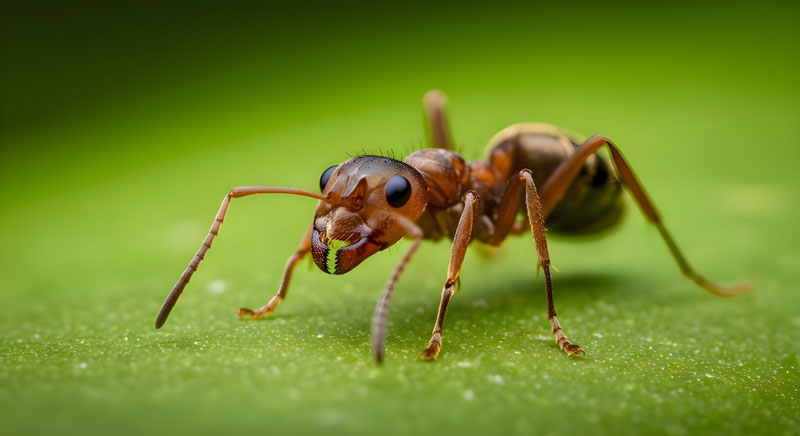
Have you ever caught your curious kitty sneaking up on a tiny ant? You might wonder, can cats eat ants? Well, the short answer is yes, cats can eat ants. These little critters are not toxic to our feline friends and can even be part of their natural hunting instinct. While it may not be a common snack, it’s not harmful if they catch and munch on one.
However, just because they can eat ants, doesn’t mean it’s the best idea for their diet. Cats are obligate carnivores, meaning they thrive on a diet primarily made up of meat. That said, those pesky ants might just tickle their fancy during playtime or exploration. So, let’s take a closer look at the ins and outs of this topic.
Stick around as we explore how cats interact with ants, what that means for their health, and even some fun facts you might not know. You might be surprised at what we discover!
You might also be interested in: Can Cats Eat Moths?
Can Cats Eat Ants?
Let’s talk about ants. These little creatures are everywhere, bustling around and making their way through life in tiny, organized colonies. For a cat, ants can be quite an interesting target. Cats have a natural hunting instinct, and those quick-moving ants can catch a cat’s eye which leads to an exciting chase. If a cat does catch an ant, it might nibble on it. But what does this mean for their health? While ants are not toxic to cats, the question of whether they are good for our feline friends is a bit more complicated.
Ants, depending on their type, can have various nutrients. However, they don’t provide a significant amount of nutrition for cats. Being obligate carnivores, cats need meat to thrive, not an ant buffet. Therefore, while cats can munch on ants, it is certainly not a diet substitute. You may want to monitor your cat if they are eating ants regularly, just to make sure they aren’t munching on any potentially harmful ones like fire ants which can deliver a nasty sting.
How Much Ants Can Cats Eat?
When it comes to how many ants a cat can eat, there really isn’t a specific guideline. To put it simply, if your cat is feeling particularly inquisitive and manages to catch an ant or two, it’s unlikely to harm them. Remember, moderation is key! If your feline friend has a fascination with ants, we might see a few little legs disappear here and there, but they won’t be able to survive on this snack alone.
Pet owners should keep an eye on their cats while they’re engaged in ant-catching missions. It’s easy to lose track of how many they’ve consumed, so it’s best to limit their hunting to safe environments. If you ever notice your cat is obsessed with catching ants in your home or garden, it might be a good idea to provide alternative stimulation, like toys or puzzles. This way, your cat can explore their hunting instincts without playing with nature’s little crawlers excessively.
Importantly, we must remember that consistent habit patterns can develop. Watching your cat go after ants can be entertaining, but introducing some of their favorite food or playthings might keep them distracted. After all, we want our furry friends to have fun without turning them into little insectivores!
If you’re feeling adventurous, you could also put out some treats that are safe for cats to nibble on, ensuring they remain healthy and happy while at play. It’s important to remember that our pets rely on us for their nutrition and well-being, so let’s make sure they’ve got what they need and curb any odd snacking habits.
Benefits Of Ants To Cats
1. Natural Hunting Instincts: We know that cats are born hunters! Whether they’re pouncing on laser pointers or stalking under the couch, a cat catching an ant can provide a fun outlet for these instincts. It gives them an opportunity to use their skills in a way that feels natural and satisfying. Watching our furry friends chase after ants can be a delightful experience for us too!
2. Curiosity Fulfillment: Cats are known for their inquisitive nature. Catching a tiny ant can satisfy that curiosity as they explore their environment and interact with other creatures. This exploration is vital for their mental stimulation! We can even think of it as their mini expedition in the living room.
3. Exercise: Chasing after ants is a physical activity. It gets our kitty moving around, which is important for their overall health. Exercise keeps them fit, helps with their weight management, and can even contribute to better moods. We all know that a happy cat is a fun cat!
4. Intelligence Development: Cats learn best through experience. Engaging in hunting behaviors like chasing and capturing ants can help improve their problem-solving skills. While it might seem silly, these little adventures in pursuit can help them think critically about their environment.
5. Social Bonding: If you’ve got more than one cat, you might find them playing together by hunting ants. This behavior can create stronger bonds between them. Watching our pets play together can create heartwarming moments, and the amusing antics truly bring joy into our lives!
Dangers Of Feeding Ants To Cats
While ants are not generally harmful to cats, there can be exceptions in specific cases. For example, some ants can bite or sting if they feel threatened. Fire ants are notorious for this behavior, and their sting can be painful. If your cat happens to mess with a nest of fire ants, they may come away with a sore paw or even an allergic reaction. It’s crucial to watch out for any unusual reactions after your cat has encountered ants.
Another concern regarding a cat eating ants is the possibility of ingesting pesticides or chemicals that might have been used to treat the area. If a cat consumes an ant that has been contaminated, it could lead to potential health problems. So as responsible pet parents, we should always be aware of the environment our cats are hanging out in.
In addition, if your cat is engaging in excessive ant-eating behavior, this could be a sign that something is off in their diet. They might be craving nutrients they’re not getting from their food, or they could be bored. If this behavior becomes a habit or starts troubling you, consider taking a trip to your vet to rule out underlying health issues.
Lastly, we need to remember that while most ants are harmless, it’s still wise to keep our cats from munching on these tiny critters too often. A balanced diet made up of high-quality cat food should always be our priority, helping to maintain their overall health and happiness.
Substitute Of Ants For Cats
1. Cat Treats: Instead of letting your furry friend munch on ants, consider some specially designed cat treats. These snacks provide all the vitamins and minerals our cats need. Plus, they come in so many flavors! Treats create a controlled way to monitor what they consume while satisfying their taste buds.
2. Catnip: A lot of cats go wild for catnip, which is non-toxic and provides a similar excitement to hunting as ants do. Investing in catnip toys can give your kitty an outlet to let loose!
3. Puzzles and Interactive Toys: These toys can stimulate a cat’s hunting instincts without introducing any risks that come from chasing ants. They can keep cats engaged and entertained for hours, challenging their minds while satisfying their instincts without the dangers.
4. Homemade Treats: For those of us who love to whip up goodies for our pets, we can make cat-friendly treats at home using ingredients like pumpkin and chicken. This keeps us in charge of what they consume while catering to their snack time.
5. Playtime with Human Partners: Sometimes, nothing beats playtime between humans and their furry friends. You could engage them with balls, feathers, or strings, allowing them the chase, pounce, and catch they naturally crave. It strengthens our bond and fulfills their desire for excitement.
Can Cats Eat Ants? Frequently Asked Questions
Are Ants Harmful To My Cat?
Generally, ants are not harmful. However, be cautious of types like fire ants which can bite or sting. It’s important to keep an eye on your cat’s interactions.
What Should I Do If My Cat Ate An Ant?
If your cat ate an ant, observe them for any unusual symptoms like vomiting or weakness. If any concerns arise, don’t hesitate to reach out to your vet for guidance.
Are There Any Specific Types Of Ants I Should Be Worried About?
Yes, ants like fire ants can cause pain with their bites. It’s a good idea to identify the ants in your area and keep an eye out for dangerous types.
Do Cats Prefer Insects Over Regular Food?
Cats may show an interest in insects due to their hunting instincts. However, they cannot thrive on insects alone, so ensure they’re receiving balanced meals.
Can My Cat Get Sick From Eating Ants?
Most cats won’t get sick from eating ants, but if they eat ants with pesticides or exhibit symptoms after eating them, contact your veterinarian immediately.
Final Thoughts
In conclusion, while cats can eat ants, it’s essential that we provide them with proper nutrition. Ants might entertain our feline friends and tap into their natural instincts, but they shouldn’t be considered an alternative to a balanced diet. Monitoring their behavior and offering fun substitutes can help keep them safe, happy, and healthy!
For more fun and informative reads on what is safe for our furry friends, check out our blog. If you’re curious about other treats that might harm your pet, don’t miss our article on can cats eat ladybug?