
Welcome to our doggy dining adventure! Today, we’re tackling an important topic: can dogs eat coconut milk? It’s great to see so many pet parents looking for safe and delightful treats for their furry friends. As a vet and a self-proclaimed funny pet lover, I assure you, it’s both entertaining and educational to take a closer look at the food we share with our beloved pups.
Coconut milk, as tropical and delicious as it sounds, is quite popular in many households. And why not? It’s creamy, has a rich flavor, and can add a little fun flair to our own food! But can our dogs join in this coconut goodness? The answer is yes, dogs can eat coconut milk in moderation. It’s important to note, however, that just because something is safe doesn’t mean it’s suitable for every dog. Understanding how your canine buddy reacts to coconut milk is vital to keeping them happy and healthy.
So, stick around as we explore everything you need to know about coconut milk for dogs, from the right amount to give them to the potential benefits and risks. We’ll also look at some great substitutes if you’re unsure about coconut milk. Let’s get this tasty journey started!
You might also be interested in: Can Cats Eat Feta Cheese?
Can Dogs Eat Coconut Milk?
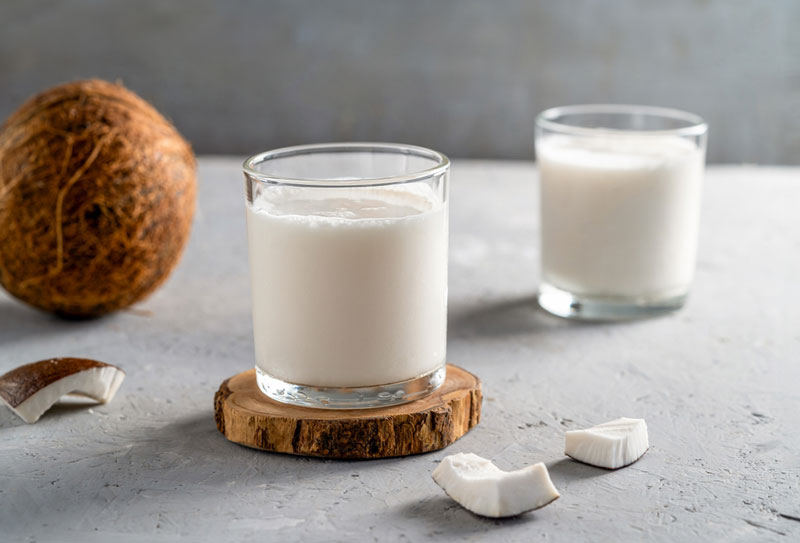
First off, let’s break it down. Coconut milk is made from the meat of the coconut and water. It’s rich and creamy, and many of us enjoy it in smoothies, curries, and tropical desserts. Now, what about our dogs? Can they join us in enjoying this creamy delight? The short answer is yes! Dogs can safely consume coconut milk on occasion. But, as with anything, moderation is key. Too much coconut milk can lead to an upset stomach. Some dogs may also be sensitive to fats. Coconut milk has a lot of good fat, which can potentially cause diarrheas or gastrointestinal issues. So, let’s make sure we introduce it slowly and watch for any unusual reactions.
Coconut milk is packed with healthy fats, vitamins, and minerals making it a nice treat every now and then. It contains medium-chain triglycerides (MCTs), which are known to offer several benefits. MCTs may help with energy levels and weight management. So, there’s a silver lining to this coconut adventure, indeed!
How Much Coconut Milk Can Dogs Eat?
Let’s determine how much coconut milk is suitable for our furry friends. Since every dog is different, we cannot set a one-size-fits-all approach to how much coconut milk a dog should consume. Generally speaking, introducing coconut milk into our dog’s diet should begin slowly. A teaspoon for small dogs, a tablespoon for medium dogs, and two tablespoons for larger dogs should be a safe starting point. After all, we wouldn’t want our furry friends to feel like they just hosted a coconut party in their tummy!
As we monitor our dog’s reaction, we can adjust these amounts over time. If they seem to handle it well and enjoy the taste, we can increase the frequency but still maintain moderation. It’s important to remember that coconut milk is a treat, not a staple in their diet. Our dogs should primarily stick to a balanced diet specifically designed for their nutritional needs.
Consider this, if we were having fun at a tropical party, we wouldn’t just gorge on coconut milk—we’d mix and match our treats! The same applies to our pups, we should keep their treats diverse and interesting while ensuring they remain healthy and happy.
Hydration is also key! Coconut milk should never replace fresh water as our dogs’ primary source of hydration. Let’s avoid any situations where our pooch thinks a tropical coconut oasis is all they need—because water is a non-negotiable element for their health!
On average, coconut milk can be a fun addition to our dog’s diet when approached thoughtfully and in moderation. Each dog’s reactions, preferences, and dietary needs should guide our choices regarding coconut milk, just like we tailor our own diets. So, let’s make sure their coconut experiences are pleasant and safe!
Benefits Of Coconut Milk To Dogs
Now that we know it’s safe in moderation, let’s explore some potential benefits of coconut milk for our dogs. Starting with those healthy fats, coconuts are a great source of MCTs, which can provide some energy to keep our furry pals bouncing around like crazy. MCTs are different from regular fats—we might think of them as the “good guys” that our dogs can use more efficiently for energy. Their bodies prefer MCTs, converting them into energy rather than storing them as fat. So, we might just see our pooches bounce back from playtime a little quicker!
Coconut milk also boasts various vitamins and minerals, including vitamins C and E, and several B-complex vitamins. These vitamins support immune health, skin health, and overall good wellness in our furry companions. Plus, some dogs might appreciate the anti-inflammatory properties that come with these nutrients!
Another fantastic benefit of coconut milk is its potential to promote better digestion. The fat in coconut milk can help soothe the digestive tract and may assist other doggo dietary issues. As always, conversations with our vet about including new treats or changes in diet are essential. Our dog’s tummy performance may vary! If a dog enjoys coconut milk often, having more pet pee breaks might be on the horizon, so it’s smart to keep that in mind!
We may also discuss how coconut milk could help with allergic reactions. Frequently, allergic skin reactions can cause discomfort. The healthy fats found in coconut milk might relieve some of that irritation and promote healthier skin overall. Isn’t that wonderful? The ability to care for our pets much like we care for ourselves is always a plus!
Dangers Of Coconut Milk To Dogs
While we adore coconut milk, we must cover the possible risks and dangers associated with it. First, there’s the issue of fat content; while healthy fats can be beneficial, they can also lead to weight gain or pancreatitis in dogs who consume it in large quantities. Our pup’s health is always the top priority! If we decide to introduce coconut milk, monitoring our dog’s overall diet is prudent. It’s crucial to assure we haven’t accidentally become the doppelganger of a coconut treat machine. Chubby pups can experience joint pain and other health issues.
Something else to bear in mind is that some dogs can have sensitivities to coconut or even allergies! While coconut allergies are rare, if we notice digestive issues, excessive scratching, or unusual behavior after introducing coconut milk, it may be time to consult with our vet. Allergies can sometimes approach us in unexpected ways, and our best pals can’t exactly say, “Hey, my belly feels funny!”
Diarrhea is another concern when introducing new foods, including coconut milk. Too much fat or the sudden change can lead to tummy troubles for our dogs. If our furry friend has a sensitive stomach, we might decide to give a wide berth to coconut milk! Let’s keep those tail wags strong and steady, right?
As pets age or have certain underlying health problems, we should also consider consulting a vet for personalized advice. They can tell us if coconut milk is a good choice for our dog or suggest alternatives that might work better. Our precious pooches deserve the utmost attention to their health!
Substitute Of Coconut Milk For Dogs
If coconut milk isn’t the best fit for our dog’s diet, it’s great to know we have alternatives! Sweet potatoes are an excellent option—packed with vitamins, fiber, and beta carotene. We can boil and mash sweet potatoes, then serve a small amount to our dog! Pumpkin, similarly, has a ton of health benefits and might help with digestion. Plain pumpkin puree is not only nutritious, but it also brings a fun flavor twist to their meals.
Another choice for pet treats might be yogurt! Opt for unsweetened, plain yogurt that doesn’t contain artificial sweeteners like xylitol, as that can be dangerous for dogs. Yogurt can provide probiotics to maintain gut health, and many dogs find it delicious! It can be a super refreshing snack, especially in warmer weather. Yummy and helpful? Win-win!
Bone broth is another delightful option to consider! Packed with nutrients, it offers lots of flavor and hydration. We can easily pour a bit on their kibble or freeze it into a fun treat for a later day. Talk about versatility!
Vegetables like carrots and green beans are excellent as well. Crunchy, low-calorie, and full of nutrients, these crunchy treats can help keep our dog’s teeth clean while giving them something to chew on! We love any excuse to add variety to our pups’ diets.
Ultimately, every dog has unique preferences just like us. Let’s explore a fantastic range of flavors and options! This way, we can give our furry companions the best culinary experiences without risqué surprises along the way!
Can Dogs Eat Coconut Milk? Frequently Asked Questions
Can Puppy Dogs Eat Coconut Milk?
While puppies can have coconut milk in moderation, it’s important that their primary diet consists of puppy food specially formulated for their nutritional needs. Introducing new treats at a young age should be done with care.
What Should I Do If My Dog Vomits After Eating Coconut Milk?
If your dog vomits after Eating coconut milk, it’s essential to monitor their behavior. If it continues or if they show signs of distress, consult your vet for advice. It’s better to be safe than sorry!
Are There Any Long-Term Effects Of Coconut Milk On Dogs?
There haven’t been any significant long-term effects associated with moderate coconut milk consumption in dogs. However, every dog is different, so always keep an eye on their overall health and weight.
Is Canned Coconut milk Safe For Dogs?
Canned coconut milk is generally safe if it contains no additives, preservatives, or sweeteners. Always check the ingredients before offering it to your dog.
Can Coconut Water Be Given To Dogs Instead Of Coconut Milk?
Coconut water can be a refreshing treat and may be easier for some dogs to tolerate than coconut milk. However, ensure it has no added sugars or preservatives.
Final Thoughts
In conclusion, coconut milk has the potential to be a delightful and beneficial treat for our furry companions when used in moderation. It’s packed with tasty flavors and nutritional benefits, making it a fantastic option for the right pup. But as always, we need to be mindful of our dog’s health. Consulting a vet is an excellent step for personalized advice on adding new treats to our beloved pet’s diet. Keeping our dogs happy and safe is our ultimate goal!
Want to learn more about other foods suitable for our furry friends? Check out these articles on Can Dogs Eat Shrimp and Human Foods That Cats Can Eat for more delicious insights. Remember, sharing love with food is one of the greatest joys of being a pet parent!