
Hey there, fellow pet lovers! If you’re anything like me, then our furry friends are just as much a part of the family as anyone else. You know those moments when your dog gives you those big puppy eyes while you’re munching on something delicious? Well, today we are going to talk about a tasty treat that may be on your mind: provolone cheese! You might wonder if that creamy goodness is a safe snack for your canine companion.
The short answer is yes, dogs can eat provolone cheese! However, it’s important to understand moderation and the potential effects on our pets. While cheese typically makes for a delightful treat for dogs, we should always keep their health and dietary needs in mind. Cheese can be rich and, in some cases, high in fat, so it’s best to keep that in consideration when we’re tempted to share some with our four-legged pals.
Ready to find out more about whether provolone cheese is suitable for our furry friends, tips on serving sizes, health benefits, as well as possible risks? Let’s dig in and learn how we can treat our pups with care!
You might also be interested in: Can Dogs Eat Goat Cheese?
Can Dogs Eat Provolone Cheese?
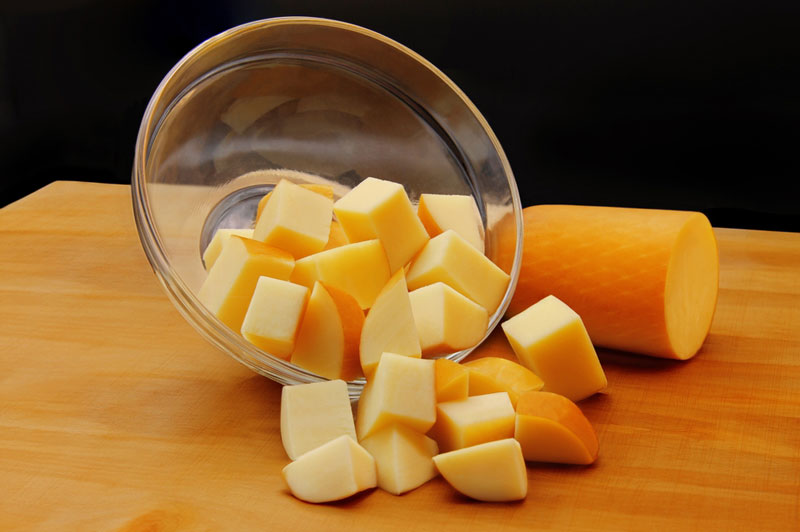
Provolone cheese, hailing from Italy, has a wonderful tangy flavor that many humans adore. When it comes to our beloved canine companions, it is generally safe for dogs to nibble on a small piece of provolone cheese now and then. However, there are a few things to keep in mind when it comes to sharing this dairy delight with our furry friends.
Dogs, like humans, can enjoy a variety of foods, but we need to remember that their digestive systems are a bit different. Some dogs may find cheese to be a tasty treat, while others could have trouble digesting it. It’s crucial to keep in mind that while many dogs can handle cheeses better than other dairy products, cheese is still something we should introduce slowly to our dog’s diet, keeping an eye on how they react to it.
One key aspect to note about provolone cheese is its fat content. As most dog owners know, obesity is a common issue for pets, and cheese can easily contribute to weight gain if added to their diets in large amounts. Just like us, dogs can become overweight, which may lead to further health complications down the road. So, make sure to only offer a tiny piece as an occasional treat, rather than a regular part of their meals.
How Much Provolone Cheese Can Dogs Eat?
When it comes to serving provolone cheese to our furry friends, moderation is key! So how much is too much? Well, according to most veterinarians, a small piece of provolone cheese, about the size of a marble, is a safe portion for most dogs. We want to be cautious with how our dogs are reacting, so it’s best to observe them after we treat them to this cheesy delight.
If you’re just beginning to introduce provolone cheese to your dog’s diet, it’s wise to start with even less. A tiny taste is more than enough to test the waters and see how your dog responds. It might be quite tempting to throw them a generous chunk, but remember that even the tiniest morsel can go a long way!
Some dogs are more sensitive to dairy products than others, especially if they have underlying allergies or lactose intolerance. If your dog shows signs of any discomfort after trying provolone cheese, like gas, diarrhea, or vomiting, it’s best to avoid it altogether. While many dogs can enjoy cheese without issues, we should all heed the warning signs—better safe than sorry! Each dog is unique, so we should tailor our choices according to their individual needs.
We’ll need to be mindful of the overall calorie intake for each dog as well. Cheese should not replace a balanced diet. It is a special treat, not a new meal! So when considering how often our dogs can enjoy provolone cheese, we should think of it as an occasional snack rather than a daily addition. Keeping it as a rarity means that our pups will remain excited whenever they are lucky enough to enjoy a nibble.
Benefits Of Provolone Cheese To Dogs
There are some benefits to sharing provolone cheese with our pups, which is a nice silver lining to indulge in occasionally! First off, cheese is a source of protein, which aids in building and repairing our dogs’ muscles. Protein is essential for their overall growth and provides energy, especially for those highly active pups who just can’t stop wagging their tails.
Cheese can also act as a source of calcium. This nutrient plays a vital role in maintaining strong bones in our dogs. While they primarily get calcium from their regular dog food, a sprinkle of provolone cheese can be a fun bonus to their day—just like sprinkles on a cupcake!
Sometimes, cheese can function as a fantastic training tool! If your dog loves its favorite snack, you can use it as motivation during training sessions. Nothing gets our pets to focus quite like the allure of a cheesy treat. It’s a win-win, as they are learning some good behavior while enjoying a delightful taste!
On the flip side, we must remember that not all dogs will appreciate the same flavor; some pups may turn their noses up to provolone cheese. Thankfully, there are other cheese options we can try if provolone doesn’t meet their taste buds. We should always experiment—with understanding! That’s part of the fun in being a dedicated dog parent! The more we know about dogs and their dietary needs, the sweeter the bond we can create alongside those irresistible puppy eyes.
Dangers Of Provolone Cheese To Dogs
As with any treat we share with our dogs, we must be aware of potential risks and dangers. While provolone cheese can be enjoyed in moderation, there are certain caveats we should consider. One of the main concerns revolves around the lactose content of cheese. Many dogs are somewhat lactose intolerant, meaning they struggle to digest the lactose sugar found in dairy products. This might lead to some serious tummy troubles, like gas, bloating, or diarrhea if they overindulge.
If we know our pup is sensitive to lactose, it’s probably best to steer clear of all cheese, including provolone. There are plenty of other treat options that won’t upset their stomachs. It’s always heartwarming to see our dogs thrive, and ensuring we provide careful choices is part of responsible pet ownership!
Another risk associated with cheese is its high-fat content. While a small amount is generally safe, we can sometimes forget how quickly those calories add up. If dogs consume too much provolone cheese over time, they could be at risk for obesity, pancreatitis, and other health problems. We don’t want our dogs to feel under the weather or put on too much weight simply from indulging in a cheesy snack!
For dog breeds predisposed to certain health risks, like specific heart problems, cheese can worsen their condition. Always consult our veterinarians and keep them in the loop about any dietary changes we might be thinking about. They can guide us on how to provide tasty and safe snacks that suit our furry friend’s health needs!
Substitute Of Provolone Cheese To Dogs
If provolone cheese doesn’t quite suit our pups, fear not! There are plenty of delightful alternatives that dogs can enjoy in moderation. Some popular cheeses like mozzarella and cheddar tend to be lower in lactose and may be a great option for our furry friends. Again, it’s important to start small and monitor your dog’s reactions before giving them larger pieces.
Another option is cottage cheese, which tends to be easier for dogs to digest. It offers similar benefits as provolone cheese without the heavy lactose content. Plus, it comes packed with protein and calcium, so it can still provide a healthy snack for our dogs! When introducing cottage cheese, start with just a spoonful to familiarize your pup with this new treat.
If we want to avoid cheese altogether, there are alternatives like plain watermelons or carrots! Fruits and veggies can bring fresh flavors to our dogs’ diets, and with many of these options being low in calories, we can let our dogs nibble away without worry. Additionally, treats specifically designed for dogs are a great route to explore; there are tons of tasty, healthy alternatives available that don’t include dairy or high-fat ingredients.
In the end, we have options! Whether our pups love provolone cheese or prefer other snacks, our goal should always be their health. Experimenting with different treats can be a fun way for us to connect with our furry family members. After all, providing our pets with a well-rounded and nutritious diet is a joy that brings us closer together!
Can Dogs Eat Provolone Cheese? Frequently Asked Questions
Can All Dogs Eat Provolone Cheese?
While many dogs can enjoy provolone cheese, not all dogs will tolerate it well, especially those with lactose intolerances. After trying a small piece, keep an eye on your pup to see if there are any adverse reactions.
Is It Safe For Puppies To Eat Provolone Cheese?
It’s generally best to avoid giving cheese, including provolone, to very young puppies. Their digestive systems are still developing, and cheese can lead to tummy troubles. Always consult a vet about safe treats for puppies!
Are There Any Dogs Who Should Ever Eat Provolone Cheese?
Yes! Dogs with lactose intolerance or any pre-existing health conditions such as pancreatitis should avoid provolone cheese and other dairy products altogether.
Can I Use Provolone Cheese As A Training Reward?
Definitely! If your dog enjoys the flavor, using a small piece of provolone cheese as a treat during training can be an effective way to keep their focus and motivate them!
What Can I Do If My Dog Has An Upset Stomach After Eating Provolone Cheese?
If your furry friend experiences an upset stomach after eating provolone cheese, it’s best to stop feeding them cheese and consult your veterinarian for further advice and recommendations.
Final Thoughts
As we explore the yummy world of food options for our dogs, it’s essential to remember that sharing small amounts of provolone cheese can be a delightful treat! Keeping in mind their individual dietary needs and reactions allows us to create a nurturing environment that keeps our fur babies happy and healthy.
Being a responsible pet owner means finding that perfect balance between giving our pups tasty rewards and ensuring their health remains a top priority. If you’re interested in learning more about what human foods, including various cheeses, can be shared with your dog, don’t forget to check out these helpful resources for our feline friends that mention what cats can eat cheese and how you can keep our pets’ taste buds satisfied without jeopardizing their health!