Have you ever watched your dog stare longingly at your plate, hoping for a tasty sample of whatever you are feasting on? It’s hard to resist those puppy dog eyes, isn’t it? As loving pet owners, we frequently find ourselves contemplating what little snacks we can share with our furry friends. Today, we are diving into a question that may have crossed your mind: Can dogs eat macaroni and cheese? This creamy and delicious comfort food might be a favorite of ours, but does it hold the same appeal for our four-legged companions?
Now, let’s address the burning question: Can dogs eat macaroni and cheese? The answer is a bit complicated. Yes, in small amounts, it is generally safe for dogs to nibble on macaroni and cheese. However, it’s crucial to keep in mind that some ingredients typically found in this dish can cause digestive upset. Many dogs do not have the enzymes necessary to break down dairy products, and certain toppings or spices in macaroni and cheese can be harmful. So, while your pup may enjoy a tiny taste, we need to be cautious and educated about the potential risks involved!
If you’re curious about the ins and outs of sharing a bit of macaroni and cheese with your dog, we invite you to keep reading. We’ll explore how much is safe, the benefits and risks of serving this dish to our canine friends, plenty of alternatives, and answer some frequently asked questions. Let’s get this cheesy journey started!
You might also be interested in: Can Dogs Eat Provolone Cheese?
Can Dogs Eat Macaroni And Cheese?
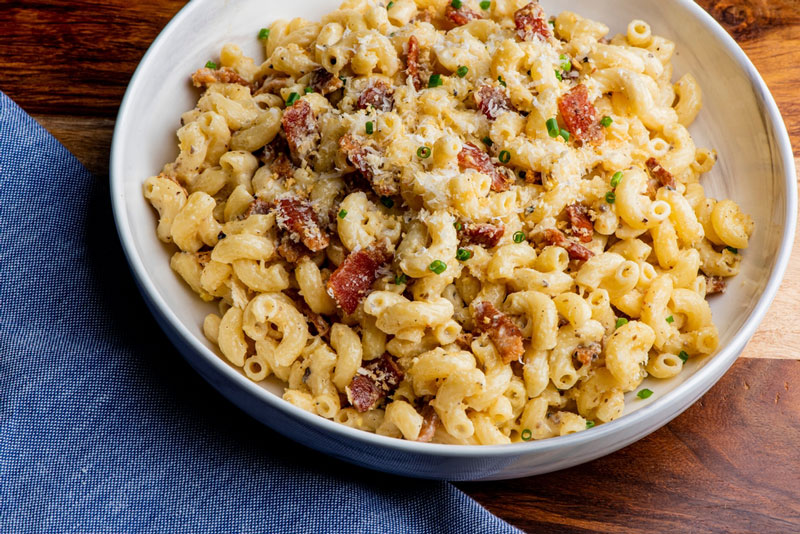
When we ask ourselves if dogs can enjoy macaroni and cheese, we’re really looking at the ingredients. Remember, not all foods that are safe for humans are good for dogs. The macaroni itself is not harmful – it’s just a type of pasta made from flour and water. Dogs can digest pasta, but it’s important to keep in mind that it’s not a natural part of their diet. They primarily thrive on protein-rich foods. Now, the cheese, well that’s where we hit a fork in the road. While many dogs can tolerate small quantities of cheese, others are lactose intolerant. This means that consuming cheese can lead to stomach upset, gas, or diarrhea.
Let’s take a closer look at the components of macaroni and cheese. Typically, it involves cooked macaroni, cheese, milk, and butter. If you ever double-check the label, you might find other additives like garlic or onion powder. While we love to add these ingredients to enrich flavor for ourselves, both garlic and onion can be toxic to dogs.
So, if you want to give your furry friend a little treat, avoid the commercial macaroni and cheese boxes or restaurant versions. Stick with plain, cooked macaroni mixed only with a pinch of cheese – just a dab! This way, you can celebrate a shared snack without the drama of digestive issues or toxicity.
How much Macaroni And Cheese Can Dogs Eat?
Now that we know some of the basics, let’s chat about how much macaroni and cheese is actually safe for our dogs. Moderation is key here, as with most treats. We want to feed our pups a balanced diet, so macaroni and cheese should be an occasional indulgence, not an everyday occurrence.
For small to medium-sized dogs, a tablespoon or two of plain macaroni mixed with a small amount of cheese could be just enough to satisfy those curious taste buds. If you have a larger breed dog, like a Golden Retriever or Labrador, they may handle a bit more, perhaps around three to four tablespoons. Remember to watch for any signs of discomfort or reactions after consumption.
If your dog has never tried macaroni and cheese before, it’s best to start with a really tiny amount—think a quarter teaspoon! Give it a few hours and observe if there’s any reaction. Are they their playful self, or are they looking a little queasy? This approach allows us to gauge how well they digest dairy before we offer any further nibbles.
We should also consider any potential dietary restrictions or health issues your dog may have. For example, if they are overweight or have pancreatitis, you should think twice before offering any rich or creamy foods. In such cases, consulting our vet is a splendid idea before introducing new snacks to their diet.
Let’s keep in mind that macaroni and cheese should only be given as a rare treat. Dogs thrive when they have a diet primarily consisting of high-quality dog food. Treats should make up less than ten percent of their daily food intake. So, if we’re being generous with the macaroni and cheese, we might need to hold back on other goodies later in the day. By monitoring their overall diet, we can ensure that our dogs stay happy and healthy
Benefits Of Macaroni And Cheese To Dogs
While macaroni and cheese may not be hailed as the most nutritious meal for our pups, it does have a few small benefits worth mentioning. Sharing such a loved dish can strengthen our bond with our furry companions. Imagine pulling out a bowl of mac and cheese and your dog looking up at you with joy in their eyes! It’s pretty heartwarming, and that extra attention can certainly increase their happiness.
One benefit of cheese is that many dogs find it delectable and enticing. If your dog is particularly picky about eating their kibble, mixing in a little bit of cheese can encourage them to polish off their meal. Now, while it may not be a replacement for their regular diet, a dollop of yummy cheese from time to time might just add a little frolic some flair to mealtime.
Moreover, for dogs who do okay with dairy, cheese is an excellent source of calcium and protein. Calcium contributes to healthy bones and teeth, while protein is essential for muscle development and performance. Of course, the key is balancing these nutrients with a diet primarily designed for their needs.
Then we have the tasty macaroni – while it doesn’t offer the same nutritional profile that meat and vegetables would, it can provide carbohydrates. These carbs give our pups energy for all those enthusiastic tail-wagging moments we love to see. When we share macaroni and cheese with our dogs, we can feel like we’re also treating them to something special!
Just remember, it never replaces their regular meals. Using it thoughtfully as an occasional reward can infuse excitement into your pet’s daily routine.
Dangers Of Macaroni And Cheese To Dogs
Alright, friends, we can’t ignore the risks involved when we think about letting our dogs snack on macaroni and cheese. As much as we love spoiling them, we want to make sure we don’t accidentally do harm while trying to keep the meal time fun!
The first risk is lactose intolerance. While some dogs can tolerate dairy quite well, many others do not. The inability to properly digest lactose can lead to abdominal discomfort, gas, or diarrhea. We don’t want our pups to suffer in silence, so keeping an eye out for these signs is crucial!
Then we’ve got the toppings. If you’re preparing homemade macaroni and cheese, use caution regarding what ingredients you toss into the mix. Some recipes feature garlic or onion – as we mentioned earlier, both of these ingredients can be toxic to dogs! If your dog eats a significant amount, it might lead to gastrointestinal upset or more serious health issues, so we should be aware of them at all times.
Another aspect to consider is calories and fat. Macaroni and cheese can be quite high in calories and fats, especially when prepared with butter and cream. Regularly feeding your dog rich food can lead to obesity over time, which spells trouble for their heart, bones, and overall health.
Remember to also be aware of any changes in your dog’s behavior after they munch on some macaroni and cheese. If they show any signs of discomfort, like whining, excessive drooling, or lethargy, we should get in touch with our vet. After all, better safe than sorry!
Using common sense and moderation is essential when allowing our dogs to try human foods. By paying close attention to their reactions and avoiding harmful ingredients, we can help ensure that our furry pals stay safe while enjoying the occasional treat.
Substitute Of Macaroni And Cheese For Dogs
If we ponder the idea of sharing macaroni and cheese with our furry friends and become concerned about the risks, we can always consider alternatives! Making dog-friendly versions or choosing healthier ingredients can give us peace of mind while still treating our pups.
One option is to cook plain macaroni and mix it with pumpkin puree! This simple swap introduces more nutrition while keeping things puppy-approved. Pumpkin is rich in fiber, which helps with digestion and is gentle on canine tummies. Mixing a little cooked pasta with pumpkin can certainly satisfy your dog’s curiosity, without the concern of lactose and unhealthy fats.
Another fantastic alternative is to prepare a pasta dish using plain chicken or beef broth instead of cream or cheese. Incorporating lean meats into the mixture can provide your dog with protein-packed nourishment without the risks associated with dairy. Just remember to stick to dog-safe broths without additives or seasonings that can harm your pup, like onion or garlic.
If cheese is the ingredient your dog loves the most, consider opting for lower-fat versions like cottage cheese or Greek yogurt. Both options can still provide a creamy texture while being more easily digestible for dogs. Always start with small amounts, and monitor how they react, just in case they have any sensitivities.
Finally, let’s not forget the many veggie options we can include! Adding small pieces of cooked carrots, peas, or green beans can amp up the nutty flavor and even provide more nutrients while keeping things tasty. These vegetables will allow you to create a dish that’s healthy for your dog and feel free to experiment with different combinations!
While macaroni and cheese can be a special treat, there are many wholesome and dog-friendly alternatives that can replace it while allowing our dogs to enjoy meals with us.
Can Dogs Eat Macaroni And Cheese? Frequently Asked Questions
Is Macaroni And Cheese Harmful To Dogs?
In small amounts, macaroni and cheese is usually not harmful to dogs. However, the risk comes from the dairy content and any added ingredients like garlic or onion. It’s always best to be cautious and select simple, unseasoned recipes.
What About Boxed Macaroni And Cheese?
Boxed macaroni and cheese is not ideal for dogs since it typically contains preservatives, additives, and seasoning that can be harmful. If you want to give your dog a taste, opt for homemade versions without toxic ingredients.
Can Dogs Eat Pasta At All?
Yes! Dogs can eat plain, cooked pasta. Just remember to serve it in moderation and watch for any adverse reactions. It’s always best to ensure that it’s a small part of a balanced diet.
How Can I Tell If My Dog Is Lactose Intolerant?
If your dog has a hard time digesting dairy products, it may show symptoms like gas, diarrhea, or vomiting. If you notice these signs after they eat cheese or dairy, it’s best to steer clear of giving them these foods in the future.
Is There A Cheese That’s Safest For Dogs?
Low-fat cheeses, like cottage cheese, may be easier on dogs with lactose intolerance. However, always monitor your dog’s reactions and choose cheese varieties with no added harmful ingredients.
Final Thoughts
As loving pet owners, it’s important for us to be mindful of what foods we share with our dogs. While they may relish macaroni and cheese, we need to be cautious and keep in mind the potential risks. Treats can be delightful, but they should always complement a balanced diet designed specifically for our dogs’ nutritional needs.
Exploring alternative food options for our furry companions can make mealtime more delightful for both us and them. Let’s celebrate the bond we have with our pets and try to find suitable snacks that keep all our pups happy and healthy! If you’re interested in learning more about what else is safe for your furry friends to munch on, feel free to check out our other articles like can cats eat mac and cheese?, and can dogs eat goat cheese. Together, we can enjoy sharing love, joy, and delicious snacks!