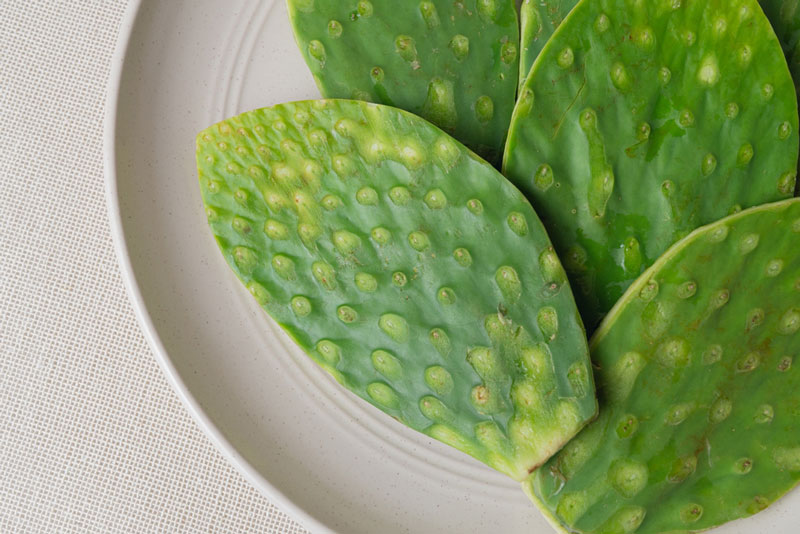
Welcome to our pet-loving corner where we explore the delightful foods our furry companions might enjoy! Dog owners often wonder about what humans can eat and if it is safe for dogs, too. Ever stumbled upon nopales at a restaurant or grocery store? These cactus paddles might look a bit unusual but are a staple in Mexican cuisine. Are they safe for dogs to munch on? Well, you’re in the right place to find out!
Can dogs eat nopales? The answer is yes! In moderate amounts, dogs can safely enjoy nopales. However, as with any new food, it’s vital to introduce it to their diet gradually and monitor for any reactions. Although nopales have nutrients beneficial for dogs, not every dog may like the taste or the texture. Some pups may even turn their noses up at this prickly green treat!
Stick around as we unpack the world of nopales for our canine companions. We will explore the benefits, potential risks, how much they can eat, and even some safe substitutes for your dog. Understanding all of this helps us make the best choices for our furry pals. So let’s jump into the cactus patch together and learn all about nopales and our four-legged friends!
You might also be interested in: Can Dogs Eat Cactus?
Can Dogs Eat Nopales?

When we think of feeding our dogs, we usually stick to traditional dog foods or treats, right? But the question of whether dogs can enjoy human food is always lurking in the back of our minds. Nopales are not your everyday food items, but let’s take a closer look to see what they’re all about.
Nopales, or cactus pads, come from the prickly pear cactus and are famous for their slightly sour flavor and slimy texture when cooked. They are loaded with nutrients like fiber, vitamins, and minerals! But what does that mean for our furry friends?
The good news is that nopales can be beneficial for dogs when prepared properly. They contain vitamins A, C, E, and K, along with potassium and magnesium. These nutrients can support overall health and wellbeing, especially for dogs who enjoy a mixture of foods beyond their usual kibble.
However, we should always remember that moderation is essential. Just because these cactus pads are available to us does not mean they should be a staple in our dogs’ diets. Dogs have different digestive systems than humans, and introducing a new food should be done carefully. Start with small portions to see how your pup reacts.
Always remove the thorns and spines from nopales before serving them to your dog—those sharp prickers can cause injuries in their mouth or digestive tract! Cook them thoroughly and avoid adding spices or seasonings since our doggos’ stomachs can be sensitive to certain ingredients.
How Much Nopales Can Dogs Eat?
Now that we’ve determined that dogs can enjoy nopales, the next logical question is: How much can they eat? After all, too much of a good thing can be a bad thing!
To start, we suggest introducing nopales as a special treat, not a primary meal component. A good rule of thumb is to give about one to two tablespoons of cooked nopales per 10 pounds of your dog’s weight. For example, if your dog weighs 40 pounds, you could start with approximately a quarter cup of nopales.
As always, the key is to listen to our pups’ tummies! If your furry friend enjoys the nopales and shows no adverse reactions, you can gradually increase the amount over time. But keep an eye on their poop—sometimes changes in diet can lead to upset stomachs or loose stools.
Incorporate nopales a couple of times a week, allowing their bodies to adapt, rather than serving this unique vegetable every day. If your dog appears to love the taste, that’s fantastic, but balance it out with their regular nutrition. Use nopales as a fun side dish during mealtime or as a healthy addition to a pumpkin dog treat.
Lastly, every dog is an individual, possessing unique preferences and tolerances. While one dog may find nopales delightful, another may turn up their nose. If your furry best friend experiences any discomfort or funky bowel movements, it’s probably best to hold off on those cactus paddles.
Benefits Of Nopales To Dogs
Now that we’re warmed up with how much nopales to serve, let’s examine why they might be a good addition to our dogs’ diets. Nopales are not just a trendy food; they offer several health benefits for our furry companions.
They are high in fiber, promoting regular digestion and preventing constipation. A healthy dog with a well-functioning digestive system feels better overall! Plus, the fiber in nopales can help dogs feel full, making it a helpful addition for those pups who may need to shed a few extra pounds.
These cacti are rich in antioxidants too—a bonus for battling those nasty free radicals making their rounds. Free radicals can cause cellular damage, leading to various health issues over time. The antioxidants in nopales can combat those! Antioxidants support our dogs’ immune systems, keeping them feeling spry and energetic.
Vitamin C, known for its immune-boosting properties, is abundant in nopales. It not only helps fortify your dog’s defenses against illnesses but also plays a role in tissue repair. If your dog has had a rough playtime with some bumps and bruises, a nutritious treat like nopales could help keep them healing.
Although there’s no solid scientific evidence proving nopales help with blood sugar control, some studies have suggested potential benefits for both humans and dogs. This can be particularly helpful for dogs with diabetes or weight issues, making nopales a great ingredient to have around for low-calorie snacks!
Lastly, nopales contain hydration properties, as they are about 90% water. Keeping our pup friends hydrated is always important, especially during hot days or after rigorous play sessions. Including some nopales in their meals can help contribute to their overall water intake. Plant-based nutrients can be a welcome addition to your dogs’ diets, offering diversity and texture to their meals!
Dangers Of Nopales To Dogs
Now that we’ve reveled in the numerous benefits of feeding our dogs nopales, let’s take a moment to look at the other side of the coin. It’s crucial to inform ourselves about potential risks or dangers associated with introducing new foods into our pups’ diets.
Are there risks of feeding dogs nopales? Yes, like any other food, there may be some concerns. For instance, not all dogs will tolerate nopales well. Their digestive systems can be sensitive, and introducing new ingredients can occasionally result in reactions.
Some dogs might experience upset stomachs or diarrhea from unwanted amounts of fiber or the unusual texture. That’s why we must start with small portions and watch our pups closely. If you notice any abnormal behavior or gastrointestinal issues, immediately stop serving them nopales!
We should always pay attention to how the nopales are prepared as well. Never serve raw nopales—they contain substances that can be irritating to dogs’ gastrointestinal tracts. Make sure to remove any spikes and thorns before cooking, as those could pose a danger when swallowed.
Remember that nopales may not be suitable for every dog, especially those with specific health issues. If your pup suffers from allergies or has a history of pancreatitis or other digestive disorders, check with a vet before adding nopales or any new food to their diet.
Lastly, while the watering mouth of our pups at the sight of a new treat can be heartwarming, make sure that they don’t inhale their meals! If your dog has a habit of gulping down food, consider serving nopales mixed with their regular food to slow down their eating pace.
Substitute Of Nopales For Dogs
If nopales sound like an enchanting addition to your dogs’ diets, yet there is a worry about allergies or potential reactions, there are plenty of other delicious and healthy substitutes to consider. It’s essential to find nutrients that can provide similar benefits without the concerns.
Zucchini is an excellent substitute worth mentioning! It’s low in calories and provided with a range of vitamins and minerals your dog needs. Plus, it has the added advantage of being easy to prepare—just slice and cook!
Green beans are another fantastic option. They are crunchy, low in calories, and provide an excellent source of fiber. Dogs usually love munching on them! Cook them lightly and offer them as a side dish or mix them in with their regular food.
Carrots are also popular among pups. Rich in vitamins and good for dental health, they’re crunchy, sweet, and offer a flavorful snack! Whether served raw or steamed, carrots can help maintain your pup’s dental hygiene by scrubbing plaque away.
Consider sweet potatoes too! These nutrient-dense roots are full of vitamins A and C, with beneficial fibers to aid digestion. Cook and mash them up for a tasty treat or slice them into fries—you’ll be sure to win your pooch’s heart with these!
Remember to always introduce new treats one at a time, much like we would with nopales, ensuring to watch for any signs of allergies or discomfort. Exploring different healthy options can be an exciting adventure in the kitchen for us and our furry companions!
Can Dogs Eat Nopales? Frequently Asked Questions
Can All Dogs Eat Nopales?
Not every dog will tolerate nopales well. Always monitor your dog’s reaction when introducing new foods. Check with a vet for any specific dietary restrictions.
Are Nopales Safe For Puppies?
Puppies have sensitive stomachs, which makes it best to avoid introducing new foods until they are older. Consult your vet before sharing nopales with your puppy.
Is It Okay To Feed My Dog Raw Nopales?
No, raw nopales can irritate your dog’s digestive system. Always cook nopales to reduce irritation and ensure your dog can digest them more easily.
Can Dogs Eat Other Parts Of The Cactus?
It’s best to stick to the nopales (cactus pads) specifically. Other parts of the cactus might not be safe or processed appropriately for dogs.
How Do I Prepare Nopales For My Dog?
Cooking them is simple! Remove the thorns, boil or sauté the nopales, and serve them plain. Avoid adding any spices or seasonings that could upset your dog’s tummy!
Final Thoughts
In conclusion, sharing fun and healthy treats with our pets will enhance their meals and strengthen the bond we have with them. Nopales can be a delightful addition to your dog’s diet when prepared correctly and served in moderation. As we discover new opportunities to treat our pets to healthier foods, remember to keep their wellbeing at the forefront.
If you’re searching for more pet-friendly food options, let’s consider items that are both safe and appealing. Why not explore the fascinating world of what other human foods are safe for our fur babies? There are fruits and veggies galore to provide them variety in their meals! If you’re curious about these alternatives, check out foods that cats can eat or can dogs eat shrimp.
Let’s continue nurturing our pets’ health, happiness, and taste buds together!