Welcome to our page dedicated to exploring the culinary curiosities of our four-legged friends! We all love spoiling our pets with different treats, and when it comes to dogs, it can feel like we have endless options to choose from. As pet owners, we want to make sure that what we offer is not only tasty but also healthy for our furry companions. Today, we’ll be discussing chicken gizzards and whether they can be part of your dog’s diet!
So, can dogs eat chicken gizzards? The quick answer is yes! Chicken gizzards can safely be a part of your dog’s diet, given that they are prepared correctly and served in moderation. They pack a nutritious punch full of protein, vitamins, and essential minerals that can be beneficial for your pup. However, as with any new food item, it’s always best to introduce it gradually and consult with your veterinarian to ensure it suits your dog’s individual needs.
We encourage you to keep reading as we explore the various aspects of feeding chicken gizzards to dogs, including how much to serve, the benefits and risks associated with them, and some alternative options. The joy of seeing our pets wag their tails in delight as they savor a tasty treat is truly rewarding!
You might also be interested in: Can Dogs Eat Chicken Liver?
Can Dogs Eat Chicken Gizzards?

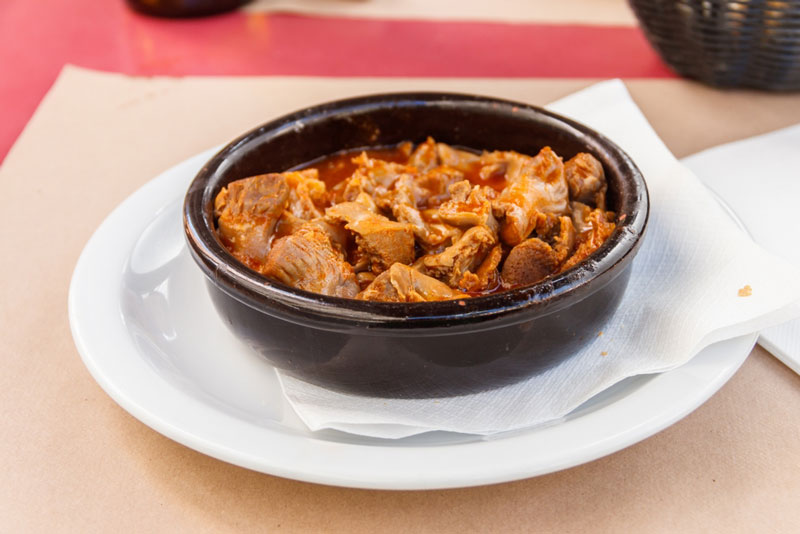
Chicken gizzards are a part of the chicken that many dog owners may not consider as food for their pets. These little muscular organs are involved in digesting food and are rich in protein and nutrients that can be beneficial for your furry friend. They offer a chewy texture that dogs tend to enjoy and can act as a natural tooth-cleaning agent when fed raw.
As with any new type of treat we introduce into our dog’s diet, moderation is key. Gizzards are nutrient-dense but should not entirely replace a balanced dog diet. They can be offered cooked or raw, depending on you and your vet’s recommendation.
When cooking chicken gizzards, it’s crucial to avoid adding seasoning, spices, onions, or garlic, as these can be harmful to dogs. Boiling or steaming them until they are fully cooked is an excellent method to prepare them. Once cooked, it’s recommended to chop them into smaller pieces, especially for smaller breeds, to prevent choking. We don’t want any floppy-eared friends to accidentally become “choking gizzards!”
How Much Chicken Gizzard Can Dogs Eat?
Now that we know that chicken gizzards are safe for dogs to consume, the next question is how much to feed them. Just like with any treat, the amount should be relative to your dog’s size, diet, and activity level. A good rule of thumb is that treats should make up no more than 10% of your dog’s daily caloric intake.
For a small dog, a couple of small gizzards can suffice for a treat, while larger breeds might enjoy a few more. Always watch your pup’s reaction after they try gizzards for the first time. If all goes well, you can continue to incorporate them into their diet, but remember to keep the portions small and control how often they’re fed.
To add some variety to our dog’s diet, we can consider alternating gizzards with other proteins or treats, such as lean meats, vegetables, and even special treats like pumpkin or sweet potatoes. Balancing treats with their daily meals will help in preventing any unusual digestive reactions.
It is beneficial for us to track how our dogs are responding to these treats. Monitoring their weight and seeing how they digest can help in adjusting the amount we feed. If your dog seems overly energetic after gizzards or has tummy issues, dialing back on the amount is advisable.
Benefits Of Chicken Gizzard To Dogs
The list of benefits that chicken gizzards can provide is quite impressive and not to mention they make our dogs’ tails wag! They are a rich source of protein, which plays a vital role in building strong muscles and keeping our pups energized. Gizzards are also full of essential vitamins such as B12, which is important for our dog’s nerve function and blood cell formation.
Besides being packed with protein, chicken gizzards are also rich in minerals such as iron and zinc. Iron helps maintain your dog’s healthy energy levels and keeps their immune system running efficiently, while zinc supports skin and coat health. Feeding gizzards can also help strengthen these areas making your dog look good and feel good!
Another unexpected benefit of chicken gizzards is their texture. Chewing on gizzards can serve as dental health helpers. The act of chewing can mechanically scrape plaque off the teeth, contributing to improved oral hygiene. Of course, we shouldn’t skip regular dental check-ups, but adding gizzards as an occasional treat might help in between those visits.
They can also be a great source of mental stimulation for our dogs! With the unique texture and flavor, they can provide a different experience and help reduce boredom. Engaging our dogs in playful ways can help boost their mood and keep them happily occupied.
Dangers Of Chicken Gizzard To Dogs
While chicken gizzards can bring a lot of benefits to our dog, it’s also essential for us to be aware of potential risks and dangers that may arise. Just like any other food, complications can happen if not approached carefully.
One risk is the potential for choking. Gizzards can be somewhat tough, and introducing large pieces can lead to choking, especially for smaller breeds. Always be cautious and cut them into appropriate sizes; our pups are not as good at portion control as we are!
Another thing to be aware of is the possibility of digestive upsets. Some dogs may not handle new foods well, and gizzards are no exception. Gradually introduce them into their diet and monitor for any adverse reactions, including diarrhea or vomiting. If you notice any unusual symptoms, it’s time to reach out to our veterinarian.
Gizzards should also not be overfed. These are considered a rich protein source, and too much protein can lead to kidney stress in vulnerable dogs. Monitoring serving size and ensuring a balanced diet is crucial to avoiding such complications.
Additionally, ensure that the gizzards are sourced from a reliable place, as poor quality or contaminated meats can be dangerous. Always make sure to buy from reputable vendors and consider cooking them to eliminate any potential pathogens. When in doubt, we should consult with our vets; they can help us navigate the best practices to keep our furry friends healthy and safe!
Substitute Of Chicken Gizzard For Dogs
If chicken gizzards aren’t the right fit for your dog, or if you want to provide variety in their diet, there are plenty of substitutes we can consider. We should explore different protein sources that are just as healthy and delicious!
First up on our list is beef liver, which is nutrient-dense and very palatable for dogs. It’s full of vitamins A, B, and even some iron! Again, moderation is key, as liver is rich in vitamin A, which in large amounts can be detrimental. Like gizzards, they can be cooked and cut into tiny pieces for easy consumption.
Next, we have chicken hearts! They’re another organ meat option that’s packed with protein and rich in nutrients. Hearts can be fed raw or cooked, and because they are softer, they tend to be easier for dogs to chew. They offer great health benefits, keeping our dogs feeling their best.
Ground turkey or chicken is a wonderful protein choice as well. This can be mixed into dog meals for a tasty boost or offered as a standalone treat. By preparing it without added seasonings, we can ensure our dogs enjoy a healthy and flavorful option.
Lastly, let’s not forget about vegetables! Green beans, carrots, and sweet potatoes offer excellent alternatives packed with vitamins and minerals. They can serve as treats or be incorporated into their meals for added nutrition!
Can Dogs Eat Chicken Gizzards? Frequently Asked Questions
Are Chicken Gizzards Safe For Puppies?
Yes! Chicken gizzards can be safe for puppies, as long as they are introduced gradually and monitored. The nutrients in gizzards can support growing puppies.
Can My Dog Eat Raw Chicken Gizzards?
Dogs can eat raw chicken gizzards, but it’s vital to source high-quality products to minimize foodborne illnesses. Always consult your veterinarian before giving raw meats.
What Is A Good Way To Prepare Chicken Gizzards For Dogs?
Cooking chicken gizzards without any seasoning is the best way to prepare them. Boiling or steaming until thoroughly cooked is recommended for dogs.
How Often Can I Feed Chicken Gizzards To My Dog?
Chicken gizzards should be an occasional treat, not a regular meal. Make sure they make up no more than 10% of your dog’s overall daily caloric intake.
What Should I Do If My Dog Has A Bad Reaction To Chicken Gizzards?
If your dog shows symptoms like vomiting or diarrhea after eating chicken gizzards, stop feeding them and consult your veterinarian for advice on next steps.
Final Thoughts
Chicken gizzards can be a delightful treat for our furry friends, packed with nutrition and offering various health benefits. By introducing them properly and in moderation, we can keep our dogs happy and healthy while still indulging them with some tasty morsels.
If you are interested in exploring more about what is safe for our pets to eat, feel free to check out topics like dogs eating chicken nuggets or can cats eat chicken bones?, which may also surprise you. Remember, our pets depend on us to help guide them in a healthy and delicious direction!