
Are you a proud dog parent wondering what treats you can share with your furry friend? We all love treating our pets now and then, don’t we? It feels wonderful to watch their little tails wag with delight (unless they are of the cat variety, then you are probably better off with a laser pointer). But before we load up on goodies, it’s important to ensure that what we’re sharing is safe for our canine companions. Today, we are putting mulberries under the microscope to find out if they are safe for dogs to eat!
Mulberries, with their luscious, juicy sweetness, are not just a treat for humans but also some critters in our backyards. But can dogs join in on the mulberry fun? The answer is yes! Dogs can eat mulberries in moderation and they can actually benefit from them, as they are packed with nutrients. However, it’s always good to keep a close eye on our furry friends to ensure that they enjoy their snack time without any hiccups.
Stick around as we cover everything you need to know about dogs and mulberries, from how much is safe to eat, their health benefits, and any risks involved. Let’s make snacking a joyful experience for both you and your pup!
You might also be interested in: Can Dogs Eat Fruit Snacks?
Can Dogs Eat Mulberries?
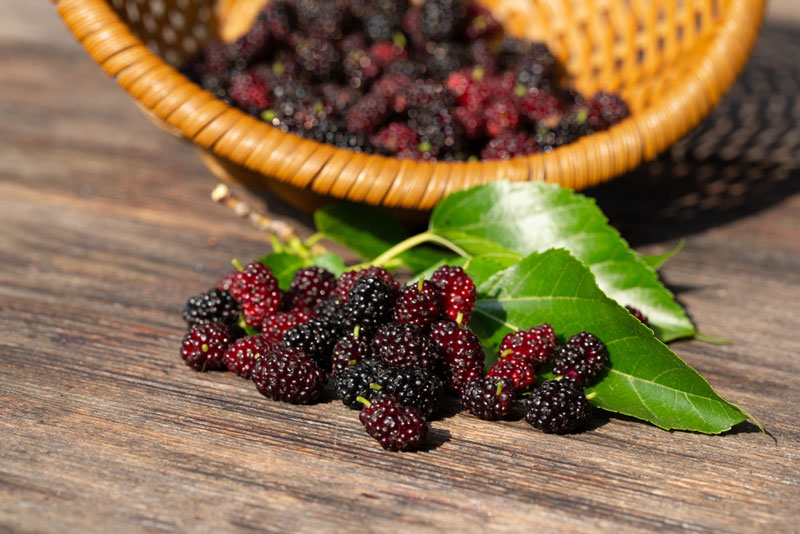
When pondering whether dogs can chow down on mulberries, it’s essential to understand what makes up this delightful little berry. Mulberries are small, sweet fruits that can be red, black, or white in color. They are often found growing on trees and offer a burst of sweetness that can brighten anyone’s day. The good news is that dogs can indeed eat mulberries in moderation, provided they are fresh and free from any harmful additives or pesticides.
Mulberries come packed with vitamins, minerals, and antioxidants which are beneficial for both humans and canines alike. These nutrients help support a dog’s immune system, aid with digestion, and can even boost overall health. It’s crucial to prepare the mulberries properly; always wash them thoroughly to remove any dirt or chemicals. Also, be sure to remove any stems, leaves, or unripe berries as they can pose a risk to your dog’s health. Always remember, too much of a good thing can lead to stomach upset, so we should be mindful of portion sizes.
How Much Mulberries Can Dogs Eat?
Now that we know dogs can safely munch on mulberries, the question arises: how much is too much? Like many treats, moderation is the key. A good rule of thumb is to treat mulberries as a fun snack rather than a staple in your dog’s diet. Usually, small to medium-sized dogs can have about a handful of fresh mulberries, while larger breeds may enjoy a little more. Watching your dog’s reaction after a snack is essential; if you see any signs of stomach upset or lethargy, scale back on the treat or consult your vet.
It’s also worth noting the age and health conditions of your dog. Puppies or elderly dogs may have different dietary needs and restrictions. For example, a dog with a sensitive stomach or a health condition could do best without added fruits like mulberries. Always be sure to introduce new foods slowly, monitoring your dog’s response. If they show any adverse reactions, discontinue the treat and seek veterinary guidance.
For those who are unsure about the correct portion sizes or want to make this snack a little more exciting, you could combine mulberries with other dog-friendly fruits. An adorable mix could include blueberries, strawberries, or even sliced bananas. Just make sure all are safe for our furry companions and keep the portions reasonable.
Above all, it’s best to treat mulberries as a random treat instead of a regular snack. Our dogs are well-fed with their balanced diet, and these sweet berries should be an added bonus to their day. After all, we want our four-legged friends to stay happy and healthy!
Benefits Of Mulberries To Dogs
When it comes to health benefits, mulberries ride high on the berry scale. They are a snack rich in nutrients and vitamins, which your dog can certainly benefit from! Mulberries are high in antioxidants, which play a vital role in fighting free radicals in our bodies. That’s not just for us humans; our furry friends also benefit from antioxidants! They help support the immune system and can lead to healthier skin, coat, and even reduced inflammation.
These little gems also contain vitamins such as Vitamin C, which is great for our pups since it supports a strong immune system. An increase in Vitamin C can help fend off common ailments, especially in older dogs. On the other hand, fiber content in mulberries adds digestive benefits, aiding in keeping everything moving smoothly in your dog’s tummy. A well-functioning digestive system means a happier dog, and we want our companions to be cheerful.
It gets better! Mulberries contain compounds that can promote brain health, which is super important, particularly for senior dogs. With age, our furry pals can experience cognitive decline, but the nutrients in mulberries can help slow down this process and keep their minds sharp and sprightly.
It’s fascinating to note that some studies have suggested mulberries can also have anti-cancer properties, which might be worth talking about with your vet. A little sprinkle of mulberries regularly might give our dogs an extra defense against certain illnesses. Remember though, these findings tend to focus on a balanced diet in combination with overall health care, so don’t think of mulberries as a miracle food alone.
Dangers Of Mulberries To Dogs
While mulberries are safe for dogs, it’s essential to be aware of a few risks to ensure our dogs’ safety. The most notable concern is, of course, moderation! Overindulging even in the safest of treats can lead to an upset stomach, diarrhea, or vomiting. If your dog does consume too many mulberries, they might experience digestive distress, so it’s best to start with just a few and see how their body responds.
Additionally, as with any new treat, there is always the chance of an allergic reaction. Some dogs may develop sensitivities to fruits they’ve never tasted before. Therefore, introducing mulberries should be a gradual experience. Watch for signs of itching, swelling, or any strange behavior following their snack time. If something seems off, contacting the vet would be a wise move.
Another significant factor in giving our dogs mulberries is any potential exposure to pesticides or chemicals. We want only the best for our furry companions, ensuring the berries are fresh and organic if possible. Proper washing is essential to prevent ingesting harmful additives. It’s not uncommon for berries sold in stores to have residues left, so always take that extra step of cleaning up properly.
In rare cases, dogs might get into the stems or leaves, which are not safe for them. The leaves of the mulberry plant can be toxic to dogs, causing nausea and potential health issues if consumed. Hence, ensure that when offering them mulberries, you’re providing the berry alone and removing any leftovers or parts that should not be consumed.
Substitute Of Mulberries For Dogs
If you ever find yourself in doubt about offering mulberries to your furry friend, you’re in luck! There are plenty of dog-friendly snacks available that can serve as excellent substitutes. Blueberries are a fantastic choice, as they are tiny, sweet, and chock-full of antioxidants just like mulberries. Your pup will be wagging their tail at the sight of these delightful treats.
In addition to blueberries, bananas are another popular and healthy option. They provide potassium and are easy to digest. Slices make for a perfect portion and are always a hit with dogs! Apples without the seeds are also a recommended chew, providing crunchiness that helps clean those pearly whites while delivering fiber and Vitamin A.
Lastly, watermelons can be a refreshing summer treat! Just be sure to remove the seeds and rind before sharing. Dogs love the juicy sweetness, and it’s hydrating too. All of these alternatives are highly nutritious and safe for dogs in moderation, so mix and match to keep your pup excited about treat time!
Can Dogs Eat Mulberries? Frequently Asked Questions
Are Mulberries Toxic To Dogs?
No, mulberries are not toxic to dogs. They can enjoy ripe mulberries in moderation, just be cautious and watch how much they consume.
What Should I Do If My Dog Eats Too Many Mulberries?
If your dog has eaten too many mulberries and is showing signs of upset stomach or other symptoms, we should contact the vet for assistance and guidance.
How Can I Introduce Mulberries To My Dog’s Diet?
Start slowly by offering just a few mulberries and observing your dog’s response. If all goes well, you can gradually increase the quantity.
Can All Dogs Eat Mulberries?
While most dogs can eat mulberries, those with allergies or specific health conditions should be cautious or consult a veterinarian before trying new foods.
What Are Some Other Fruits Dogs Can Eat?
Other dog-friendly fruits include blueberries, apples, bananas, and strawberries. Each provides unique health benefits!
Final Thought
In a nutshell, mulberries can be a delightful snack for your four-legged companions when shared in moderation. These little berries offer wonderful nutritional benefits, making them an exciting addition to your pup’s treat menu! However, we should always be mindful of portion sizes and monitor our dogs’ reactions to this new food. It’s heartwarming to see our pets enjoy healthy snacks we can feel good about giving them.
If you’re interested in diving into the world of what our furry friends can munch on, be sure to check out other delicious topics, such as what fruits they can eat, or even how tasty alternatives exist to keep snacking fun. Don’t forget to visit foods for cats! There’s always something new to learn and explore when it comes to the best for our beloved pets!