
Welcome to our exploration of canine culinary adventures! Today, we are going to dig into a question that many dog owners ponder while prepping their salads or crunching on a fresh veggie snack: can dogs eat romaine lettuce? Lists of food that are safe and harmful for our beloved pets can get quite lengthy, so it’s easy to feel a bit confused.
As much as we love to spoil our dogs with treats, it’s vital to make sure that the foods we share with them are safe. So, can our furry friends munch on that crisp, leafy romaine? The answer is yes! Dogs can eat romaine lettuce, and it can even be a fun and healthy snack in moderation. A few fresh leaves here and there can add some nutritional value and hydration to our pups’ diets. However, there are always some things to keep in mind before tossing them a salad treat.
So grab a comfy seat and stay with us as we dive deeper! We’re about to uncover all the lettuce-related details: from how much is safe, the benefits it brings, and the potential risks, to some tasty substitutes that can add variety to our dogs’ meals. Let’s get this leafy party started!
You might also be interested in: Can Dogs Eat Turnips?
Can Dogs Eat Romaine Lettuce
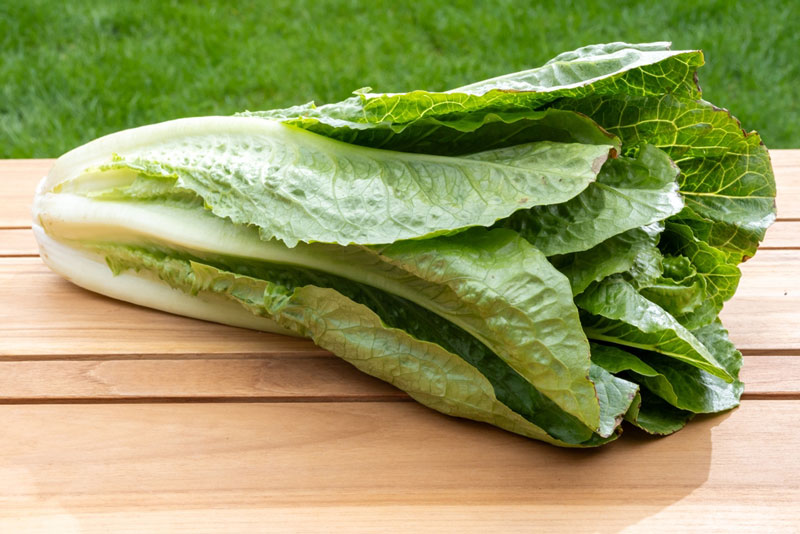
When we think about our dogs and their diets, we might visualize all the meaty treats and crunchy kibble they devour. However, as loving pet parents, we have become more aware of incorporating fresh foods into their diets. Romaine lettuce is one of those greens that catches our attention. Not only is it crunchy and refreshing, but it’s also packed with some nutritional benefits that can be good for our pups!
As mentioned, dogs can indeed enjoy romaine lettuce as an occasional treat. Lettuce is low in calories and can be hydrating due to its high water content, making it a perfect snack on warm days. But before we go tossing romaine leaves into our pets’ bowls, it is crucial that we ensure it is fresh, clean, and cut into manageable pieces. Some pups may find themselves struggling with whole leaves, so a bit of chopping can help avoid any choking hazards.
Like any food introduction, moderation is key. While romaine doesn’t contain any toxic compounds for dogs, not all dogs will sashay toward leafy greens with enthusiasm. Some dogs might sniff the lettuce and walk away, while others may crunch on the leaves as if they are the tastiest treats ever. Monitoring their reaction is essential, especially if it’s their first taste of this green delight. Keep an eye out for any signs of upset stomachs or dislike, and always consult with our veterinarian if we are uncertain about our dog’s dietary preferences.
How Much Romaine Lettuce Can Dogs Eat?
Getting the portion size right is essential when serving romaine lettuce to our furry companions. We want them to enjoy a healthy treat, but we also aim to prevent any tummy troubles! So just how much romaine lettuce is suitable for our dogs? Generally, small amounts are the way to go.
As a general guideline, we can serve a few leaves per week depending on our dog’s size. Smaller dogs might do well with just a leaf or two, while larger breeds can handle a couple of leaves more. It’s all about listening to our dogs and watching how they react. We should remember that even healthy treats, when given in excess, may lead to an upset stomach due to the increased fiber. If our pup is trying romaine for the first time, starting with just a small piece can help us gauge their response.
When serving romaine, it’s wise to prepare it by washing it thoroughly to remove any dirt or pesticides, and then chopping it into small, manageable pieces. Some of us may scoop up an entire leaf, only to watch our furry friend struggle to munch on it. Cutting it down makes the experience safe and enjoyable!
It’s also important to remember that romaine lettuce should not replace the dog’s regular diet. We are supplementing their usual food rather than swapping it out entirely. If we notice our dogs enjoying the greens, we can consider rotating them in with other veggies that are safe for dogs, such as carrots or green beans. This variety keeps things interesting while ensuring they receive a diverse range of nutrients.
In conclusion, portion control and moderation make all the difference! With careful serving sizes and attention to our dog’s reactions, romaine lettuce can become a delightful addition to our furry friends’ snacking routine!
Benefits Of Romaine Lettuce To Dogs
It’s time to dig into the benefits of romaine lettuce for our dogs! It might just seem like an ordinary salad component, but this crunchy green has some fantastic advantages worth sharing. First off, romaine is loaded with water, which can help keep our dogs hydrated. A hydrated dog is a happy dog, especially on hot summer days when they’re playing outside. Imagine our pups bounding around with wagging tails, staying refreshed by this leafy green treat!
Besides hydration, romaine lettuce offers a variety of vitamins and minerals. It contains Vitamin A, which is great for our dog’s vision, skin, and immune health. So every delicious bite of romaine translates into not only a tasty treat but also an immunity booster for our furry friends. Another nutrient found in romaine is fiber. Fiber from greens can aid in reducing digestive issues, helping support healthy bowel movements in our dogs.
Furthermore, romaine lettuce contains antioxidants, which help combat free radicals that can cause damage to cells. Antioxidants are important for maintaining good health and can help give our pups the extra support they need for a long and active life.
Of course, we all know that dogs thrive on protein. So our fluffy companions cannot rely solely on greenery like romaine to fulfill their dietary needs. It’s essential to remember that while lettuce comes with these health benefits, it should never replace the nutrient-rich primary diet that dogs need. Instead, consider it an occasional bonus to complement their meals.
Additionally, introducing new foods can be a fun way for us to bond with our dogs! Sharing fresh vegetables like romaine at mealtime can create an exciting experience—just think of the wagging tails as they try something new! The crunch of lettuce might even inspire a little celebration in your household. Time to hit those salad bars and splash some green into our dogs’ treat choices!
Dangers Of Romaine Lettuce To Dogs
While romaine lettuce is generally safe for our furry companions, it is important to be aware of potential risks and dangers. After all, we only want the best for our pets and to keep them healthy and happy!
One key concern with any type of fresh produce is the risk of contamination. Lettuce can sometimes carry bacteria such as E. coli or salmonella. These bacteria can cause foodborne illnesses, not just in humans but in pets as well. To help prevent any issues, it’s crucial to wash the romaine thoroughly before serving. This extra precaution can help ensure that our dogs are chomping down on clean and safe greens.
Another risk comes from choking hazards. If we happen to feed our pup large pieces of romaine without cutting them down, they might struggle to eat it or accidentally choke. So being mindful with portion sizes and preparation is essential for our dogs’ safety. Cutting the leaves into smaller bites can make a world of difference in creating a pleasant snacking experience.
Some dogs may be sensitive to high-fiber foods or might not appreciate the taste of romaine lettuce, leading to digestive issues such as gas, diarrhea, or nausea. Every dog is an individual and may have different reactions to new foods. If we notice any unusual tummy troubles after our dog tries romaine, we should avoid serving it in the future and consult with our veterinarian as needed.
Be mindful of our dog’s general health conditions too. For instance, dogs experiencing certain medical problems, such as kidney issues or allergies, can have particular dietary restrictions. In such cases, we always want to consult a veterinarian before introducing new foods to their diet. They can help us gauge what’s best for our furry friend.
In summary, while romaine lettuce can be a healthy addition for many dogs, understanding the potential risks can help us make informed decisions. By adhering to hygiene guidelines and keeping an eye on our dog’s reactions, we can happily share this nutritious treat without worry
Substitute Of Romaine Lettuce For Dogs
So what about alternatives? If our dogs are not fans of romaine lettuce or if we’re looking to switch things up a bit, we are in luck! There are plenty of other dog-safe vegetables that we can serve as substitutes. Here, we’ll explore a few options that can add excitement, crunch, and nutrition to their meals!
Carrots are a go-to substitute that many dogs tend to love. Not only do they provide a satisfying crunch, but they are also loaded with beta-carotene and other vitamins. Moreover, they’re low in calories, making them a great healthy snack for our pups. We can serve raw, crunchy carrot sticks or even cooked carrots chopped into smaller pieces for a softer treat!
Green beans are another fantastic option! They are low in calories and contain plenty of vitamins too. Dogs can enjoy them raw, steamed, or even frozen for a cool snack during hot days. Plus, many dogs find them quite tasty, making them a canine favorite.
Zucchini is another option to consider. This veggie has a mild flavor and can easily be shredded or cut into pieces for our pups to enjoy. It’s high in water content, just like romaine, and provides a nice crunch. It can be served raw or lightly cooked for a tender treat!
Broccoli is yet another veggie that some dogs may find delightful. It’s packed with healthy nutrients, including fiber and Vitamin C, making it a nutritious addition. However, it is important to feed broccoli in moderation as it can cause gas in some dogs if given in large quantities.
Lastly, we can’t ignore the fresh herbs! Some dogs may benefit from small amounts of parsley, basil, or cilantro added to their meals. These spurts of flavor can stimulate their happy taste buds and turn mealtime into a delightful experience! Just remember to chop them finely and avoid giving too much.
In conclusion, while romaine lettuce is great, there’s a whole array of alternatives waiting to be explored! Variety keeps mealtime fun, and it’s a way to introduce all sorts of nutrients into our dogs’ diets!
Can Dogs Eat Romaine Lettuce? Frequently Asked Questions
Is It Safe For My Dog To Eat Romaine Lettuce Every Day?
In most cases, serving romaine lettuce occasionally is perfectly safe. However, we wouldn’t recommend making it a daily staple. A balanced diet is key for our dogs, and variety is important. Just like people, our pups benefit from different food groups.
What Are The Best Ways To Prepare Romaine Lettuce For My Dog?
The best way to serve romaine is to thoroughly wash it, chop it into manageable pieces, and serve it fresh. Some dogs might also enjoy lightly cooked romaine, but always ensure it is cut down to avoid choking hazards.
Can Puppies Eat Romaine Lettuce?
Puppies can nibble on romaine lettuce, but moderation is crucial as their digestive systems are still developing. It’s always a good idea to consult with a veterinarian before introducing new foods to a puppy’s diet.
What Other Greens Are Safe For Dogs?
Besides romaine lettuce, dogs can safely savor spinach, kale, and arugula in moderation. These leafy greens come packed with nutrients, just like romaine! Always consult with your vet if you have concerns.
How Do I Know If My Dog Is Allergic To Romaine Lettuce?
If it’s your dog’s first time trying romaine, start with a small piece and monitor them for any unusual reactions. Common signs of allergies include itching, upset stomach, ear infections, or other skin issues. If you notice anything out of the ordinary, consult your veterinarian.
Final Thoughts
In wrapping everything up, it’s clear that romaine lettuce can be a refreshing and nutritious treat for our furry friends when served appropriately. With all its benefits and delightful crunch, it’s exciting to see how our dogs might take to this leafy green. Always practice portion control and be aware of our dogs’ reactions, as every pup is unique.
As we explore the realm of pet nutrition, don’t hesitate to mix it up with a variety of safe foods, allowing our dogs to experience a world of flavors! If you want to learn more about what our pets can enjoy, check out this guide on foods for cats or explore cat-friendly chicken options as well. Happy snacking to all our furry companions!