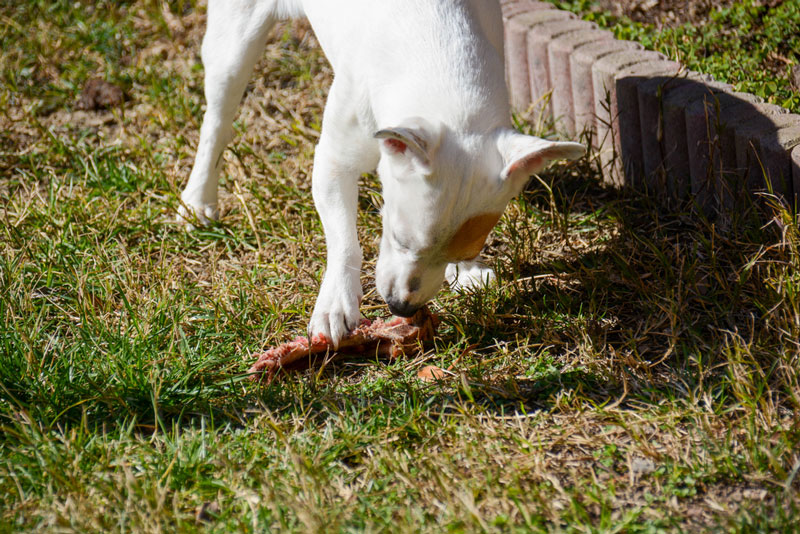
Welcome, fellow pet lovers! Today, we are going to explore a question that many dog owners have: can dogs eat steak bones? It’s a topic that sparks curiosity, especially when we think about sharing our delicious steak dinners with our furry friends. As much as we want to treat our pups to a taste of the good life, we need to make sure we’re keeping their health and safety in mind.
In this article, we will discuss whether it’s safe for our furry companions to munch on steak bones, the right portion sizes, the benefits your dog might enjoy, and the potential risks involved. It’s a bone of contention among pet parents, but we will dig deep (pun intended!) to uncover the truth.
So grab a snack, sit back, and let’s get into it! Your dog will thank you for being an informed pup parent!
You might also be interested in: Can Dogs Eat Roast Beef?
Can Dogs Eat Steak Bones?
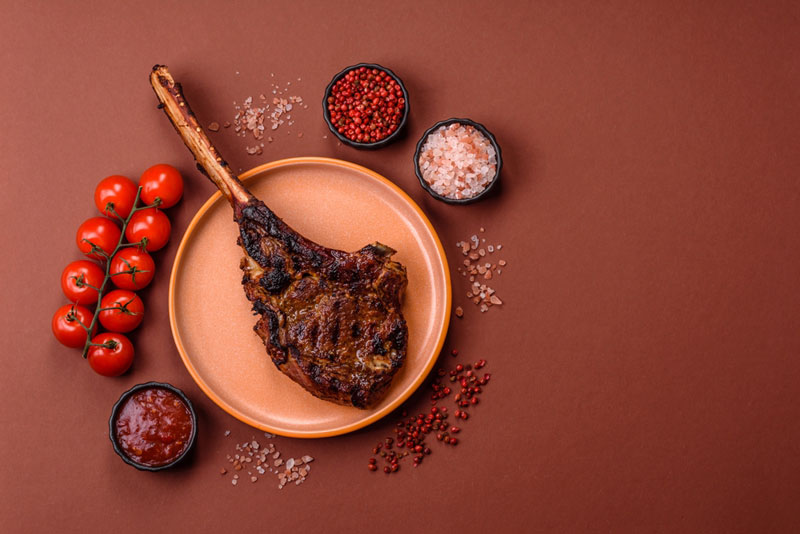
When we think about sharing a meal with our canine buddies, steak is often at the forefront of our minds. After all, who wouldn’t want to savor a juicy piece of meat together? But then we wonder, is it safe for dogs to eat steak bones? The short answer is that it depends on the type of bone and how it is prepared. In general, cooked steak bones can be very dangerous for dogs. When bones are cooked, they become brittle and can splinter easily, leading to choking hazards and damage to the digestive tract. Just imagine, your dog chomping down on a bone only to find himself with sharp fragments stuck in his throat or intestines! That’s definitely a nightmare for us pet owners.
However, raw bones, particularly raw steak bones, can be much safer options for our dogs to chew on. Raw bones are softer and less likely to splinter. They also provide a natural source of nutrients such as calcium and phosphorus. But we need to ensure that the bone is an appropriate size for our dog. A small bone for a large dog or a large bone for a small dog can lead to various complications. We want to keep our furry friend safe while still spoiling them a little.
Before giving any bone to our dogs, we need to be cautious and consult with our veterinarians. They can provide us with the best recommendations based on our dog’s health, size, and eating habits. Bones can be a delicious reward, but they can also lead to some serious issues. So, can dogs eat steak bones? The answer lies in how it’s prepared, the type of bone, and how closely we monitor our dogs during snack time. It’s also important to make sure that the bones are a part of a balanced diet, not just treats thrown at our dogs now and then.
How Much Steak Bones Can Dogs Eat?
Now let’s talk about how much steak bone we can safely give to our furry pals. Giving bones in moderation is key to ensuring our dogs stay happy and healthy! Everyone loves a good steak, but the last thing we want is for our beloved pets to overindulge in their bone treats. So, how do we find that sweet spot?
Experts recommend that bones should make up no more than ten percent of our dog’s daily food intake. This applies to raw bones, cooked bones are generally a no-go. A rough guideline is to choose a bone that is about the size of your dog’s head. This ensures that the bone will not get swallowed whole and pose a choking hazard. We want to make sure our dogs have the opportunity to gnaw and chew on the bone, but we shouldn’t allow them to consume it entirely.
It might be smart to supervise our pets when they are enjoying their bones. While the chew time may be blissful, we want to ensure that we keep track of how much they are consuming. If we notice that our dog is gobbling down more than a few small chunks or eating the entire bone, we might need to take it away before it becomes an issue.
A good practice is to provide bones a few times a week rather than daily. Establishing a routine where steak bones are a ‘special occasion’ treat can keep our pets excited while reducing health risks. If we’re ever in doubt, sticking to dog-safe treats and toys that specifically cater to our pets’ chewing needs is always a wise choice.
Essentially, we want our dogs to enjoy their steak bones but do it safely. By paying attention to portion sizes and supervising them while they chew, we can share content moments with our beloved furry companions while keeping them safe and healthy.
Benefits Of Steak Bones To Dogs
Dogs absolutely love to chew on bones, and for good reason. When cooked appropriately and given in moderation, steak bones have some fantastic benefits for our dogs. One of the most beloved perks of chewing on bones is that it promotes dental health. The act of chewing naturally scrapes away tartar and plaque, keeping our pups’ teeth clean and healthy. Who needs a toothbrush when there’s steak bones?
In addition to dental benefits, chewing on bones provides mental stimulation. Dogs are active creatures who need to stay engaged to prevent boredom. Chewing gives them the opportunity to use their instinctive skills while making them feel accomplished. Plus, it can help relieve stress and anxiety! Think about it. When we gnaw on a stress ball, it tends to ease our minds. Well, the same goes for our pups. When they have something to chew on, they may feel calmer and happier.
Another fantastic benefit is the nutritional value that raw bones can provide. Bones are packed with nutrients, including essential minerals and vitamins. Chewing on a steak bone can be like a multi-vitamin for our dogs! The bones can provide them with much-needed calcium, which is crucial for strong bones and teeth. Phosphorus is another nutrient they can get from bones, beneficial for overall health and energy.
Additionally, bones can also serve as a natural way for dogs to satisfy their instinctual need to chew. This instinct is deeply rooted in their ancestry. Wild canines relied on chewing bones to help them survive, and it still holds true today. Giving our dogs the opportunity to chew on bones allows them to connect with their innate behaviors and feel fulfilled.
Of course, while steak bones offer various benefits, we cannot ignore the importance of choosing the right type of bone to avoid possible health risks. It’s essential to consult our vets about the best options for our furry friends that will allow them to reap the rewards without suffering harmful consequences. By sharing steak bones responsibly and ensuring our dog has the right ones, we can keep our dogs happy, engaged, and healthy.
Dangers Of Steak Bones To Dogs
When it comes to our furry friends, the thought of giving them steak bones comes with potential risks and dangers. We cannot ignore the fact that while bones can provide benefits, they can also pose serious health threats. One of the main concerns is splintering. Cooked bones, especially, become brittle and can easily fracture into small, sharp pieces. If our dog were to chew on these, the shards can cause injuries to their mouth, throat, or digestive system, leading to costly and painful consequences.
Choking is another major risk that comes with offering bones to our dogs. If they decide to chew on a bone that is too small or forget about their chewing manners, they could easily choke on a piece. We always want to keep an eye on them while they enjoy their treats, and if they start to gulp chunks, it might be time to intervene and take the bone away.
Bacterial contamination is also a threat to consider. Raw steak bones might contain harmful bacteria, like Salmonella or E. coli. These bacteria can affect not just our pups but also us humans if we aren’t mindful of washing our hands thoroughly after handling. Serving raw bones means we need to be extra cautious about food safety and hygiene practices to prevent any unintended health issues.
Another concern is the risk of weight gain if we give steak bones too liberally. While it’s essential for us to treat our dogs, we also need to keep an eye on their overall diet to prevent obesity. Bones are calorically dense foods, and if they take too many, they can pack on the pounds rather quickly. We always want to maintain a balanced diet, which means keeping treats like steak bones in moderation.
In conclusion, while there can be risks associated with giving our dogs steak bones, we can minimize these dangers by choosing the right bones, serving them in moderation, and monitoring our dogs as they enjoy these tasty treats. Our dogs’ safety should always be our top priority. We have to be informed, cautious, and above all, responsible pet owners willing to learn and adapt for the love of our furry pals!
Substitute Of Steak Bones For Dogs
If we’re hesitant about giving our dogs steak bones after considering the risks and dangers, we’re in luck! There are plenty of fabulous substitutes we can offer instead. These alternatives can deliver similar benefits without the associated dangers that come with bones. Let’s take a look at some choices we can explore carefully!
One popular option is specially made dental chews. Many brands make chews designed to promote dental health while providing flavor dogs will love. These chews come in different shapes, sizes, and flavors, which can keep our dogs entertained while being good for their teeth. Not to mention, some veterinary-approved chews can also be a source of added nutrition!
Another great substitute is rawhide. These treats come from the hides of cattle and are often processed into chews for dogs. Rawhide offers a satisfying chewing experience that can last a while. However, we should keep in mind that there can be some risks with rawhide as well. Just like with bones, we want to make sure we are choosing high-quality products that don’t splinter and that we’re choosing appropriate sizes for our pups to prevent choking hazards.
Certain Kong toys are perfect for keeping our furry friends entertained. These durable toys can be stuffed with treats and are perfect for vigorous chewing. We can fill them with peanut butter (while ensuring it’s xylitol-free!), pumpkin puree, or even freeze them for a more engaging challenge. The added benefit? They keep our dogs mentally stimulated and busy!
If our pups love the taste of meat, we can opt for freeze-dried raw treats. These tasty bites keep the nutrient-rich meat flavor while providing a safer alternative to real bones or rawhide. These treats can be effortlessly served as rewards or just tasty snacks throughout the day.
Vegetables such as carrots or sweet potatoes can also be excellent alternatives! Dogs tend to enjoy gnawing on crunchy veggies, and they can provide essential vitamins while being low in calories. Always ensure we wash and prepare these treats properly before giving them to keep our dogs safe.
Ultimately, while steak bones may seem like an enticing treat, there are so many substitutes available that can provide our furry friends with a fantastic experience while keeping them safe and healthy. By taking the time to explore these alternatives, we can ensure that our dogs continue to enjoy tasty surprises without the associated risks that come with steak bones.
Can Dogs Eat Steak Bones? Frequently Asked Questions
Can My Dog Eat Cooked Steak Bones?
No, it is not safe for dogs to eat cooked steak bones due to the risk of splintering and choking hazards. Always opt for raw bones instead.
How Often Can I Give My Dog A Steak Bone?
We should limit bones to no more than 10 percent of our dog’s daily diet. Serving them a few times a week should be sufficient without putting their health at risk.
What Size Bone Is Safe For My Dog?
A bone should be about the size of your dog’s head to minimize the risk of choking. Always supervise when giving your dog a bone.
Are There Specific Bones I Should Avoid?
Yes! Cooked bones, thin bones, and high-density bones can all pose risks for dogs. Always consult with your vet for safe options.
Can I Freeze Bones For Later Use?
Absolutely! Freezing raw bones can be a great way to preserve them for later use, but remember to supervise your dog while they enjoy their frozen treat!
Final Thoughts
Understanding whether our dogs can eat steak bones is essential for their overall health and safety. While bones can provide fantastic benefits, it’s vital we approach the topic with caution. We love our furry friends and always want the best for them, which means keeping a watchful eye on them when it comes to treats.
As we’ve discussed, dogs can eat steak bones, but with a few important considerations such as choosing the right bones, the size, moderation, and keeping an eye on them during treat time. Plus, wide-ranging substitutes are available to keep our pets engaged and healthy without the risks associated with steak bones.
For specialized advice or more pet-friendly information, don’t be shy about checking out resources like Huston Veterinary, where you can explore topics like can dogs eat chicken nuggets? and find solutions tailored to your furry pals.
By treating our dogs right and keeping them safe, we can have a happier, healthier relationship with our furry companions. Now let’s go motor through this revelation with tails wagging and hearts full!