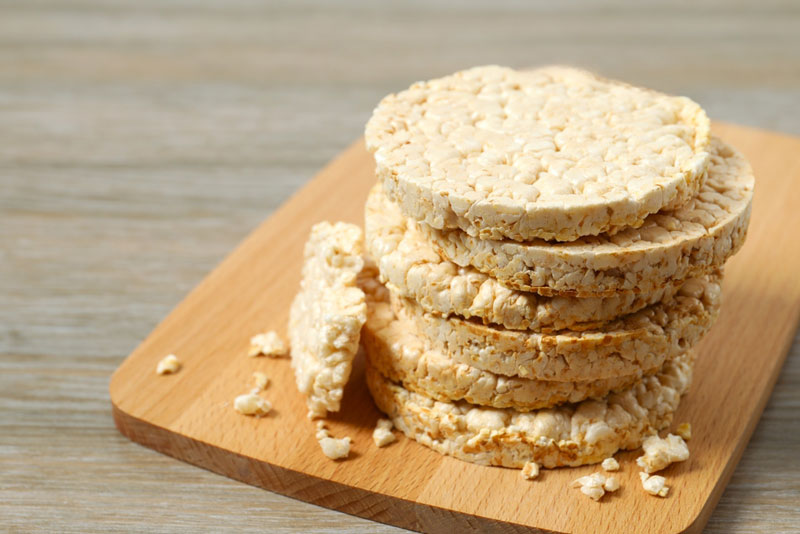
Welcome to the wonderful world of our furry friends! As pet lovers, we strive to provide our dogs with the very best care, including proper nutrition. But sometimes, as we snack on our favorite treats, we can’t help but wonder if our loyal companions can enjoy a bite or two of what we are munching on. Today’s burning question is: can dogs eat rice cakes? It’s a deliciously crunchy question that many pet parents have pondered while sharing a moment with their four-legged pals.
To answer that question welcomely, yes, dogs can eat rice cakes! However, it’s not as simple as just giving them a whole cake. Before diving into this delightful conversation, it is crucial that we explore what rice cakes are and how they may affect our furry friends. Rice cakes are primarily made of puffed rice and are light and airy snacks that many of us enjoy. They come in various flavors and can sometimes be covered in different toppings. That being said, just because we can eat something doesn’t automatically mean our dogs should have it every day! This is where we get to evaluate the benefits, risks, and even substitutes for our canine pals. So, let’s keep our tails wagging and chew through this topic together!
As we navigate through this topic, you may find yourself learning new things and giggling at the quirks of our pet companions. Keep your leashes handy and your treats ready because we are going to fetch some enlightening information on the delightful world of rice cakes and our beloved dogs!
You might also be interested in: Can Dogs Eat Cheesecake?
Can Dogs Eat Rice Cakes?

Rice cakes are a popular snack choice for many people, and they come in different flavors and varieties. Whether plain or topped with goodies, they are known for being light and crunchy. Now, can our canine companions share in our guilty pleasures? The answer is yes, but with caution. Rice itself is not harmful to dogs and can even be beneficial in moderation. Rice cakes, made primarily of puffed rice, are generally safe for pups.
Keep in mind, though, that rice cakes should not be a substitute for a well-balanced diet. While dogs can consume rice cakes occasionally, they should be treated as an occasional treat rather than a daily snack. The basic ingredients in rice cakes are typically gluten-free, making them a suitable option for dogs with gluten sensitivity. However, we need to check the ingredient list to ensure there aren’t any harmful additives, artificial flavors, or excess sugars in the flavorings that could upset a dog’s tummy.
Another thing to be aware of is that rice cakes usually lack the nutritional value that dog food provides. While our furry friends can munch on this airy snack, it shouldn’t replace their regular meals packed with all the nutrients they need to thrive. Therefore, moderation is key. If we give our canine companions rice cakes, we must ensure that it’s part of a range of snacks that contribute to their happiness and health.
In conclusion, dogs can eat rice cakes, but let’s remember to monitor any reactions after they chomp on one! If they enjoy the taste and seem to digest them well, then we have made a delightful snack choice together. However, in the interest of our furry friends’ health, opt for the plain varieties and actively check the ingredients.
How Much Rice Cakes Can Dogs Eat?
Understanding the right portions for our beloved dogs is essential to ensure their health and happiness. So, how much rice cake can our furry buddies safely enjoy? When it comes to introducing new treats, we often need to start small. For rice cakes, we can begin with a single piece, observing how our pups react to the new treat. Dogs are creatures of habit, and their bodies may need time to adjust to different foods.
The amount we offer will largely depend on the dog’s size, age, and dietary needs. A tiny Pomeranian may only need a nibble, while a larger breed, like a Golden Retriever, could manage a few small pieces. Regardless, it is not advisable to feed rice cakes as a routine snack. We need to emphasize that treats should only make up about 10% of a dog’s overall caloric intake. So grab that calculator and do a bit of math to ensure our dogs remain healthy!
Sneaking in an occasional rice cake treat could be great for training purposes. They are lightweight and portable, making them nice options for on-the-go rewards. However, we should avoid breaking them into larger pieces as this could pose a choking hazard for smaller dogs. When rewarding them with rice cakes after tricks or commands, make sure it is in tiny, manageable portions.
Remember to monitor their reactions after indulging in a rice cake. If we start seeing any signs of digestive distress—like upsets in the tummy or changes in behavior—it’s best to skip the rice cakes entirely. Dogs communicate with us through their actions, expressing if they enjoyed something or if it didn’t agree with them. So let’s stay attentive, and our furry friends will thank us for it!
Lastly, we can also consider alternating snacks occasionally. Variety is the spice of life, after all! Instead of sticking to just rice cakes, why not toss in some baby carrots or apple slices (sans seeds) as an alternative treat? Our dogs will appreciate the new flavors, and we can be sure they are getting a balanced diet!
Benefits Of Rice Cakes For Dogs
Rice cakes, in their simple form, can actually have some benefits for our furry companions. While these cannot replace a balanced diet, they can be a fun addition to our dogs’ treat rotation. So, what are the potential benefits of rice cakes for dogs that we should keep in mind?
One advantage of rice cakes is that they are generally low in calories. This is beneficial for dogs who are watching their weight. If we have a dog struggling with obesity or just an overall less active lifestyle, rice cakes could provide a way to give them a crunchy, satisfying snack experience without packing on the pounds. We can allow our dogs to enjoy a treat while still staying aligned with health goals.
Additionally, rice cakes can be a hypoallergenic option for dogs with food sensitivities. When chosen wisely, plain rice cakes contain minimal ingredients and are gluten-free. Many dogs experience allergies or intolerances to common proteins in their diet. By substituting these with rice cakes occasionally, we are creating snacking alternatives that could potentially reduce itching or gastrointestinal discomfort.
Rice cakes also give us an opportunity to provide mental stimulation and enrichment to our dogs. Dogs, just like us, appreciate variety in their snacks and meals! Offering rice cakes can pique their interest, and the crunchy texture can encourage them to engage in chewing – a behavior that can help keep their teeth clean and healthy. Just imagine the happiness radiating from our dogs as they discover a new snack; their excitement radiates around us!
Moreover, we can be creative with rice cakes! While the plain ones are the safest, we could explore some ideas to make them more enticing. By adding a smear of peanut butter (ensure it’s xylitol-free) or a dollop of pumpkin puree, we can make rice cakes more nutritious and appealing. These toppings can convert an everyday snack into a delightful reward, enhancing both flavor and nutrition!
In terms of bonding, shared snack experiences can enhance the relationship we build with our furry friends. Watching a dog happily munch their treat, cocking their head in sheer delight, always brings smiles. Moments like these foster our connections and future adventures. Whether it’s quiet evenings at home or thrilling outdoor escapades, these small interactions together create wonderful memories!
In short, rice cakes can indeed provide some benefits when included judiciously in a dog’s diet. They can serve as a low-calorie treat for weight management, offer hypoallergenic alternatives for sensitive pets, promote mental stimulation, and strengthen the bond we share. So, let’s happily share a smile with our pups over a rice cake snack…just don’t forget to keep it simple!
Dangers Of Rice Cakes For Dogs
While rice cakes seem like a delightful treat for our dogs, there are certain risks and dangers that we need to keep in mind. Awareness is key to keeping our furry companions safe and happy. After all, the last thing we want is to spoil a fun snack time with unwanted issues!
One of the first things to consider is the potential of choking. Dogs, especially smaller breeds, can sometimes struggle with crunchy treats like rice cakes. If we give them pieces that are too big or even whole rice cakes, they may attempt to swallow them whole without chewing properly. This can lead to choking hazards, and we must be on alert during treat time! It’s best to break them into smaller, manageable pieces to mitigate this risk.
The second factor to be mindful of is the presence of additives or flavorings in certain rice cake varieties. Some brands add things like salt, sugar, or artificial flavors that may not be suitable for dogs. Excess salt can lead to dehydration or even sodium ion poisoning, while sugar can contribute to obesity and dental problems. Reading ingredient labels is crucial because what might be a fun snack for us could be harmful to our furry friends.
We should also consider the calorie content of rice cakes. Even though they are generally low in calories, our pets’ bodies are quite small in comparison to ours. Thus, too many rice cakes could tip the scale in terms of calorie intake. Going overboard with treats, even light ones, disrupts the balance of nutrition in their diets and could lead to weight gain over time. Balance and moderation are essential!
Digestive distress can occur if a dog eats rice cakes too quickly or eats too much at once. Signs of distress can include vomiting, diarrhea, or gas. We know that our furry friends can sometimes act like they haven’t eaten in days, which might lead them to gobble their treats in excitement. To minimize this risk, it’s best to supervise treat time and not leave rice cakes unattended, ensuring they don’t overindulge.
Lastly, some dogs may have unique sensitivities, allergies, or underlying medical conditions that require special attention. It’s best to consult with our veterinarian before introducing any new foods into our dogs’ diets, especially if they have known allergies. What’s important to one dog may not apply to another; every pup is unique, and as loving pet parents, we want to prioritize their individual needs.
In summary, while rice cakes can be a fun treat, we must also be vigilant about the possible risks associated. To keep our dogs safe, let’s be cautious about choking hazards, excessive calories, and artificial additives. Monitoring portions and ensuring that the rice cakes we offer are plain will help us make snack time a greatly enjoyable experience!
Substitute Of Rice Cakes For Dogs
Although rice cakes seem appealing for our furry companions, we might explore other alternatives that can bring joy to their taste buds just as much! When searching for substitutes, we can look for healthy fruit and veggie options that satisfy their snack cravings while delivering essential nutrients.
Here’s a delightful idea: baby carrots! These crunchy, low-calorie snacks pack a powerful punch of vitamins and minerals while being safe for dogs. They are also an excellent way to promote dental health as dogs gnaw on them, naturally helping to keep their teeth clean! Another nutritious option could be apple slices—just remember to remove the seeds and core. Apples are loaded with vitamins and fiber, providing a refreshing crunch that’s sure to have tails wagging!
Let’s not forget pumpkin, which brings a surprising twist as a snack! Plain, canned pumpkin (not the sweetened or spiced versions!) is a fantastic source of fiber and can aid digestion. Pups often go crazy for this treat, whether served straight from the can or served with a little dollop on some kibble.
We can also consider slices of sweet potatoes. These nutrient-rich veggie treats contain antioxidants and are packed with vitamins. When cooked and sliced, sweet potatoes offer a tasty alternative to rice cakes. Just keep portion sizes in mind and serve these as delightful, heartwarming snacks!
If we’re feeling adventurous, how about making homemade snack treats? Mixing plain, cooked rice (with little or no salt) with blended veggies can create chewy, fun snacks that our dogs will love. This homemade aspect ensures we know exactly what’s in their treats and tailoring them to our furry friends’ preferences means more happy munching together!
In the end, while rice cakes can be a fun and occasional treat for dogs, there are plenty of nutritious and tasty substitutes that’ll delight our pets just as much! By getting creative, we can provide interactive snacks that promote their well-being while still keeping them excited for treat time. Add some of these alternatives to your pup’s snacking lineup for a healthy twist!
Can Dogs Eat Rice Cakes? Frequently Asked Questions
Are Rice Cakes Safe For Dogs?
Yes, rice cakes are generally safe for dogs in moderation. Always observe portion sizes and choose plain varieties without any harmful add-ins.
Can Rice Cakes Help My Dog’s Diet?
Rice cakes can be a low-calorie treat choice that helps with weight management, as long as they don’t exceed the 10% treat rule in their overall daily caloric intake.
Should I Consult My Vet Before Feeding My Dog Rice Cakes?
If your dog has allergies or health conditions, it’s always wise to speak with your vet before introducing any new foods, including rice cakes.
Can Dogs Have Flavored Rice Cakes?
We should avoid flavored rice cakes, as they often contain additives, salt, or sugars that can be harmful to dogs. Stick to plain rice cakes for safety!
How Often Can I Give My Dog Rice Cakes?
Rice cakes should be given as an occasional snack rather than a regular treat. Observe how your dog reacts and adjust accordingly, aiming for variety in their diet.
Final Thoughts
In conclusion, we’ve explored the delectable world of rice cakes for our furry companions. Yes, our dogs can indeed indulge in these airy little snacks occasionally! However, we also learned about the importance of moderation, monitoring, and making smart choices about what we share with our pets. The benefits are there, but so are the risks, and it’s essential to be informed and watchful.
As loving pet parents, keeping our friends safe while sharing special moments together is our top priority. The memories we create during snack time are valuable, and introducing rice cakes can spice up the experience. But let’s not forget the exciting substitutes we uncovered, each providing healthy nutrients and tasty options for variety! If you’re looking to explore more about what our pets can enjoy, consider checking out important topics on how let’s keep our beloved cats and dogs healthy and vibrant. Be sure to take a look at foods that pets can eat for more great insights!