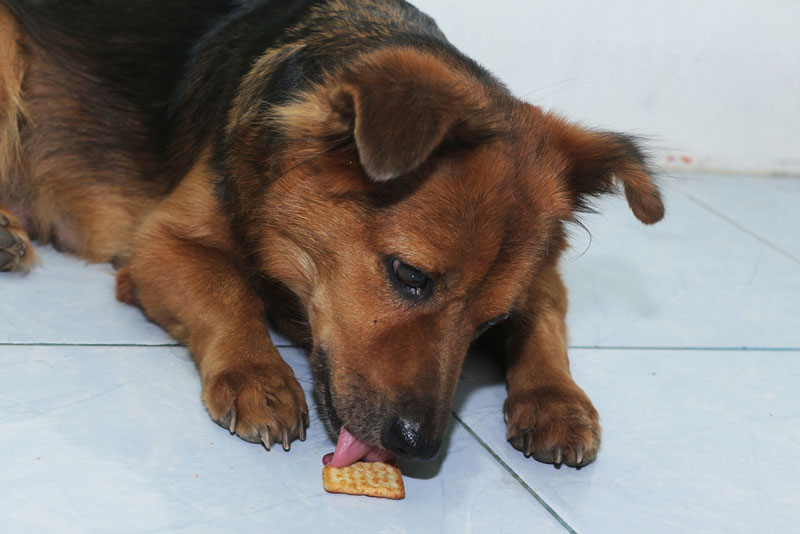
Welcome, fellow pet enthusiasts! As dog lovers, we always strive to give our furry friends the best and healthiest treats. But sometimes, we can find ourselves wondering if it’s okay to share our snack favorites with our four-legged companions. Today, we’ll take a closer look at a popular snack—the saltine cracker—and whether it’s safe for our canine pals.
You might be munching on some saltine crackers right now and asking, “Can dogs eat saltine crackers?” The answer isn’t black and white. Saltine crackers are mostly made up of simple ingredients like flour, salt, and yeast. While these ingredients are not toxic to dogs, there are some things we need to consider before handing over a few crackers from our human snack stash.
As we continue, we’ll explore the nutritional aspects, health risks, and even some healthy substitutes for our canine friends. So, grab that bowl of treats (but not the saltines just yet), and let’s discover all about saltine crackers and dogs together!
You might also be interested in: Can Dogs Eat Gingerbread?
Can Dogs Eat Saltine Crackers?

Dogs are known for having sensitive stomachs, and humans often find themselves questioning what is safe to share with their furry companions. Saltine crackers are crunchy, salty, and often a go-to snack for people, especially during cold season or while feeling under the weather. But what’s the deal with our canine friends? Can we safely give them a few of these munchies?
Saltine crackers primarily consist of flour, salt, and yeast. These ingredients are generally not toxic to dogs. In fact, many dogs may enjoy the taste of saltine crackers. However, there are several factors we need to consider before feeding them to our fur babies. The first is salt content. Saltine crackers usually contain a fair amount of salt. While a small amount of salt might not harm your dog, too much salt can lead to health issues, including dehydration and electrolyte imbalances. It’s crucial to keep this risk in mind and monitor your dog’s total salt intake throughout the day.
Another factor is the carbohydrate content of saltine crackers. Dogs don’t need as many carbohydrates as we do. Too many carbs can lead to obesity or other dietary issues, especially in less active dogs. So, while a couple of saltines here and there probably won’t cause any immediate harm, consistently feeding them this kind of treat is not advisable.
We also must think about how our dogs react to new foods. Some dogs may have an easier time digesting certain types of crackers, while others might experience stomach upset or loose stools. Always introduce new snacks gradually and keep an eye on how your pup reacts. If you’re ever uncertain, the best course of action is to consult your veterinarian.
How Much Saltine Crackers Can Dogs Eat?
Now we get to the all-important question of how much saltine cracker is too much for our dogs. As responsible pet owners, we want to ensure that our pets are healthy and happy. Moderation is key when it comes to giving dogs any human food—saltine crackers included.
Typically, a small dog might only need one saltine cracker as an occasional treat, while a larger dog might handle a couple without any issues. However, avoiding saltine crackers as a regular part of their diet is wise. Instead, think of these crackers as an occasional snack rather than a frequent one. In essence, we want to make sure that treats like saltine crackers don’t make up more than 10% of our dog’s daily calorie count.
Also, let’s not forget about the type of dog you have. Some breeds may be more susceptible to weight gain or digestive issues than others. Keeping track of their overall diet, activity level, and health needs will help determine if the occasional cracker is a good fit.
When it comes to portion size, always listen to your dog’s cues. If they seem uninterested or have trouble digesting them, it’s time to cut back. Consulting with your vet can guide you in determining an appropriate snack size based on your dog’s unique health profile.
In conclusion, while sharing a few saltine crackers with your dog can be delightful, it’s essential to consider moderation and overall health. A couple of saltines rarely hurt a healthy dog, as long as they stay within the recommended limits. Ultimately, it’s about ensuring our furry friends remain happy, healthy, and full of life!
Benefits Of Saltine Crackers To Dogs
Even though saltine crackers should be given sparingly, we can find a few benefits to sharing these crunchy snacks with our canine companions. Let’s take a moment to explore the positives of saltine crackers for dogs and how we can make it a special treat without compromising health.
One of the main benefits of saltine crackers is their easy digestibility. For dogs that might be feeling a bit under the weather or experiencing mild digestive upset, a small piece of a plain saltine cracker can help settle their stomach. The blandness of saltines can be soothing, unlike some other richer treats that could make a dog’s tummy upset worse. However, this should not be a substitute for proper medical guidance if your dog is unwell.
In addition, saltine crackers can be easily broken apart into smaller pieces, making them an excellent tool for training or treating behaviors. By breaking the crackers into tiny bits, we can use them as a high-value reward for positive behaviors. This can encourage good manners, reinforce obedience, and even serve as motivation for teaching new tricks! Dogs are motivated by food, and if they know a snazzy cracker awaits for doing something right, we are likely to get positive results!
On top of that, if you have more than one dog, they can foster pack behavior. By sharing crackers among pack members, we can strengthen the bond between them. Sharing a treat can create a positive association among dogs, contributing to better cohabitation. It’s amazing to see how sharing a simple snack can lead to social harmony among our furry friends!
Lastly, when treated like a special occasion, offering saltine crackers can provide enjoyment and excitement for our dogs. Watching our dogs wag their tails in sheer delight over a little treat warms our hearts. After all, our role as pet owners is to keep them happy while ensuring we also make healthy choices for their long-term wellbeing.
Dangers Of Saltine Crackers To Dogs
While there are some benefits to giving our dogs a little treat of saltine crackers, it’s important to understand the potential risks associated with them. Knowing these risks can help us make informed choices regarding our pet’s diet and overall health.
The primary concern regarding saltine crackers is their salt content. As we mentioned earlier, amending anything too salty can severely impact a dog’s health. Dogs are not as tolerant of high sodium levels as humans are. Excess salt can cause increased thirst, leading to potential dehydration and the risk of kidney problems over time. Severe cases of salt toxicity can cause vomiting, diarrhea, and in extreme cases, seizures or death! However, this is very rare with occasional treats, but we must still be cautious.
There are also concerns with added preservatives and harmful ingredients that may be in store-bought saltines. Some brands could include artificial flavorings or colors that might not agree with your dog’s system. Always make sure to read the labels carefully and opt for the plainest ingredients available. Keeping their diet as natural as possible should always be our goal.
For dogs with specific dietary needs or pre-existing health issues, consuming saltine crackers is generally not a good idea. For instance, pups with pancreatitis, kidney disease, or obesity conditions should avoid such snacks altogether. It’s always best to consult with our veterinarian to create a well-informed eating plan for our special companions.
Moreover, some dogs may also experience allergic reactions to wheat or other components of saltine crackers. Those with food allergies might experience symptoms like itching, swelling, or gastrointestinal upset after consuming a cracker. If any of these symptoms arise, immediately seek veterinary assistance and discontinue giving saltines to your dog.
Substitute Of Saltine Crackers For Dogs
Understanding the risks associated with saltine crackers leads us to consider healthier alternatives for our precious pups. Thankfully, the pet market is brimming with options that allow us to provide our dogs with tasty yet nutritious snacks without the added dangers of saltines.
One great alternative is plain rice cakes! They are crunchy and low in calories, which makes them an excellent substitute for saltines. Rice cakes are naturally gluten-free and can easily be broken into bite-sized pieces, making it convenient for dog treats. Plus, they can be a great source of carbohydrates without the added salt!
Vegetable-based snacks can also be a fantastic substitute. Carrots, cucumbers, and even sweet potato slices can be offered to our dogs for a crunchier experience. These veggies are full of essential vitamins and minerals, providing nutrition without the risks of processed snacks. Not to mention, most dogs go wild for carrots!
If you’re looking for something more substantial, consider trying homemade dog treats that use whole ingredients. You can combine oatmeal, peanut butter (make sure it’s free of xylitol), and pumpkin to create scrumptious cookies! Baking your own treats also offers the added benefit of controlling exactly what goes into the ingredients, giving you peace of mind knowing that your dog is enjoying the best.
Always keep in mind that any new treats should be introduced gradually and cautiously. Monitor your dog after trying any substitutes to ensure they respond well to the changes. Our goal is to create enjoyable eating experiences while prioritizing health.
Can Dogs Eat Saltine Crackers? Frequently Asked Questions
Are Saltine Crackers Safe For Puppies?
While saltine crackers are not toxic to puppies, it’s best to avoid giving them any human food until they are older and their digestive systems mature. Puppies are still developing and might have more sensitive stomachs.
What Should I Do If My Dog Eats Too Many Saltine Crackers?
If your dog consumes an excessive number of saltine crackers, monitor them for signs of distress. If they experience vomiting, lethargy, or diarrhea, consult your veterinarian for guidance.
Can I Give My Dog Flavored Saltine Crackers?
Generally, it’s better to avoid flavored saltines as they may contain ingredients harmful to dogs, such as onions or garlic. Stick to plain saltines if you choose to share.
Is There A Better Alternatives To Saltine Crackers For My Dog?
Absolutely! Nutritional treats like carrot sticks or homemade biscuits made from dog-safe ingredients make excellent alternatives without the health risks associated with saltines.
My Dog Is Overweight, Should I Give Them Saltine Crackers?
If your dog is overweight, it’s best to restrict high-carb or high-salt foods like saltine crackers. Healthy veggies or low-calorie treats would be a better option to help manage their diet.
Final Thoughts
We want nothing more than to love and spoil our furry friends while ensuring they remain safe and healthy. Saltine crackers can offer some enjoyment, but with moderating portions and being mindful of the risks involved, we can keep our dogs happy without harm. While the crunch of saltines can be tempting for both us and our pets, let’s remember that plenty of healthier alternatives are waiting to be discovered!
As caring pet owners, we can explore various topics in the human foods that cats can eat or even dive into more deliciously safe snacks for our dogs. Check out our articles on can dogs eat shrimp or the veterinarian’s guide for even more pet care advice. Happy snacking and caring for our beloved companions!