Hey there, fellow pet lovers! Today, we’re diving into a question that has probably crossed your mind if you treat your dog like part of the family. We often want to share our favorite human foods with our furry companions. But that doesn’t always mean it’s safe! Today, we’ll chat about whether dogs can eat pesto—yes, that delicious Italian sauce that goes so well with pasta, bread, and even potatoes! We’ll explore everything from the ingredients to the potential risks. Grab a snack (maybe not pesto), and let’s get started!
So, can dogs eat pesto? The simple answer is, not really. While we love this green sauce and its rich flavors, many of its ingredients can be harmful to our canine friends. For instance, pesto often contains garlic and nuts, which can cause issues for dogs. We care about our pets’ health, and it can be tough to enforce the ‘no human food’ rule when they look at us with those big, pleading eyes!
Now, don’t pack up just yet! Keep reading to learn all about pesto, what makes it a no-go for dogs, and some tasty alternatives that won’t leave our furry friends feeling left out.
You might also be interested in: Can Dogs Eat Wasabi?
Can Dogs Eat Pesto?

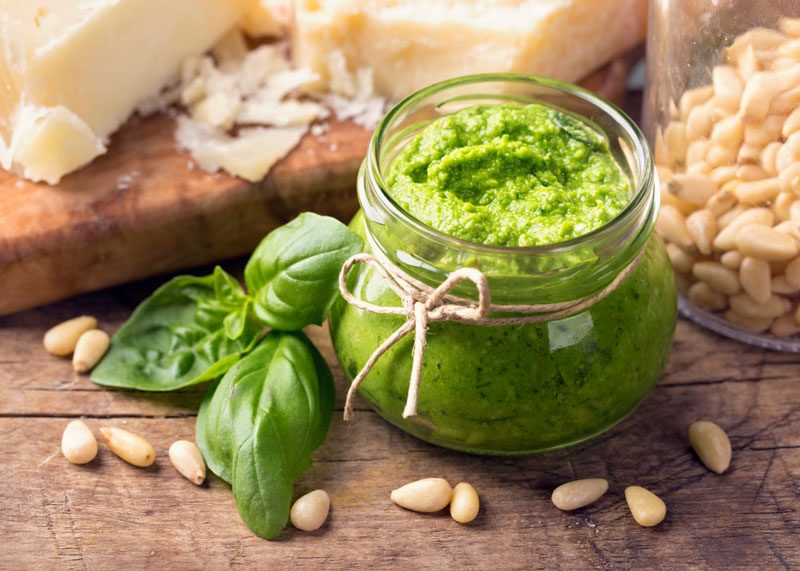
Pesto is a traditional sauce that hails from Italy, predominantly made from fresh basil, garlic, pine nuts, Parmesan cheese, and olive oil. It’s often used in pasta dishes and on sandwiches and can elevate pretty much any meal—seriously, try it on a pizza sometime. But let’s focus on our furry pals. Can dogs eat pesto? Well, it’s a conflicting topic.
First, let’s take a moment to appreciate those lovely green basil leaves. Basil is actually safe for dogs in small amounts and can even offer some health benefits. It has anti-inflammatory properties and can provide relief from stress. However, we must consider the rest of the ingredients in pesto. Garlic, while it adds a rich flavor, is highly toxic to dogs. Even small amounts can cause garlic poisoning, leading to symptoms like drooling, upset stomach, and, in severe cases, damage to the red blood cells. So, letting your furry friend munch on pesto just isn’t wise.
What about those cute pine nuts? While they are not as harmful as garlic, they can cause gastrointestinal upset in dogs. Plus, the high-fat content in nuts can lead to pancreatitis — yikes! Regarding Parmesan cheese, while some dogs can tolerate dairy, others can be lactose intolerant and may experience gas, diarrhea, or much worse after consuming it. These unfortunate surprises are no treats for anyone involved!
In short, pesto is not puppy-approved. The love we feel for our fur babies should always guide our choices, which means steering clear of feeding them any human food that could potentially harm them. Always prioritize their health and safety over sharing a snack!
How Much Pesto Can Dogs Eat?
Now that we understand that pesto is a no-go for our canine companions, let’s talk a bit about portion sizes in general when it comes to human foods dogs can eat. It’s essential to be mindful of what we give them and how much. If a particular ingredient is safe, that does not mean unlimited consumption is a good idea! Remember, moderation is key.
When it comes to other human foods like fruits and vegetables that might occasionally be given as treats, we should always consider the dog’s size and dietary needs. Treats should not make up more than 10 percent of a dog’s total daily caloric intake. This means that if your dog eats approximately 500 calories a day, the occasional apple slice shouldn’t exceed 50 calories. And that’s the sweet stuff, free from added sugars!
In practice, let’s say you want to offer your dog a bit of plain, cooked chicken as a treat. We should keep it small—maybe a bite or two, not an entire breast! If you’ve got a small dog, just a piece the size of a peanut works wonders. For larger breeds, a piece the size of a small carrot could be a great treat.
Returning to the question of can dogs eat pesto or any of its ingredients, it’s certainly not a safe option! So we don’t even have to think about portion sizes with pesto, which is a relief. One less stress on our minds!
As we continue our journey of sharing treats with our pets, picking dog-friendly options will definitely make our lives easier. Instead of pesto, think apples, carrots, or even sweet potatoes! These are not only safe but nutritious, and they can be a fun addition to your pup’s diet. If you’re uncertain about introducing something new, a quick chat with your veterinarian can help clarify what’s safe and what should remain on the human side of the dinner table.
Benefits Of Pesto To Dogs
We want what’s best for our furry friends, and when we talk about the benefits of feeding our dogs, it’s all about high-quality, nutritious options! While pesto may not be on the list of dog-friendly meals, there are plenty of safe human foods that we can incorporate into their diets, and they come with a whole host of benefits.
For instance, many fruits like blueberries and watermelon are fantastic for dogs! Blueberries are packed with antioxidants that help promote a healthy immune system, while watermelon is hydrating and low in calories, making it a fun and refreshing snack. Then, we have sweet potatoes, which are high in fiber, vitamins, and minerals. They are an excellent source of healthy carbohydrates and can even help with digestion.
In addition to safeguarding our dogs from harmful ingredients, focusing on healthy snacks can keep our dogs’ energy levels up. Active dogs require nutritious fuel, just like us, and providing them with fruits and veggies helps maintain a healthy weight and provides the essential nutrients needed for their overall well-being. Just remember—everything should be given in moderation!
Many of us love bonding with our pets over food. It gives us that warm fuzzy feeling when they enjoy something we’ve shared with them. Incorporating treats that are wholesome and safe can help us strengthen that bond while putting a smile on our dog’s face.
But let’s look at basil specifically! If you have some fresh basil lying around, you can always offer your dog a small leaf, and it can serve as a special treat while still being dog-friendly. It’s refreshing and can add some pizzazz to their regular kibble! Knowing that we can give them simple, safe options helps us feel more relaxed as pet owners in the kitchen.
In summary, while pesto is off-limits for our pups, plenty of healthy alternatives are available that can enrich their diet. The best part is we can share lovely moments discovering new puppy-approved snacks. So, let’s leave the pesto for our pasta nights and focus on sharing the joy of delicious, safe options with our furry friends!
Dangers Of Pesto To Dogs
Okay, pet lovers, let’s take off the rosy-colored glasses and get real for a moment. When it comes to sharing human food with our pets, we must also understand the dangers that lurk in the kitchen, especially when it comes to pesto. Garlic and nuts, while delicious for us, can be downright dangerous for our furry babies.
As mentioned before, garlic is in almost every pesto recipe. It’s found in both raw and cooked forms and is known to cause toxic reactions in dogs. Even small amounts can lead to gastrointestinal upset, lethargy, or worse—hemolytic anemia, which can make your dog weak and require a vet visit. Lucky for us, they can bounce back with the right veterinary care, but it’s better to avoid the risk altogether!
Then we have the lovely pine nuts that make pesto so delightful. While they aren’t as harmful, they can’t be disregarded. Dogs that consume large amounts of nuts may suffer digestive issues—we’re talking about everything from stomach upsets to pancreatitis. You wouldn’t want to be cleaning up after a case of doggy diarrhea! Not to mention, a trip to the emergency vet can get very costly very quickly.
And let’s not forget about dairy! If your dog happens to be lactose intolerant or just sensitive to dairy, the Parmesan cheese in pesto may cause them to experience some serious tummy troubles. Gas, diarrhea, and a lot of whining can become part of the equation, which is no fun for anybody involved!
Our main concern is preventing our beloved pups from experiencing these pains and dangers. Our home should be a safe haven for them, where they can roam freely—without worry about what they may accidentally snack on!
It’s essential to check with our veterinarian before introducing any human food, even if we think it might be okay. They can provide useful insights into what our specific dogs can tolerate. Every pet is unique and may have different allergies or sensitivities we need to be aware of. It’s all about keeping our furry friends safe, happy, and healthy!
Substitute Of Pesto For Dogs
We understand that sometimes it might be hard to leave out our furry friends during mealtime, especially when we’re indulging in tasty dishes! But, relax; there are substitutes we can use to ensure our pups feel included without risking their health. It’s all about creative alternatives!
If your dog enjoys the flavors associated with pesto, let’s get imaginative! Instead of opting for the traditional pesto, we can create a dog-friendly version ourselves. Grab some fresh basil, but swap out the garlic and nuts for a touch of olive oil and some plain yogurt or cottage cheese. It’s a fantastic way to keep the flavor while avoiding harmful ingredients!
Another alternative is simply blending some cooked, pureed sweet potato with some basil leaves for a delicious spread that your dog can safely enjoy. Sweet potatoes are not only nutritious but also provide natural sweetness that many dogs love. You can drizzle a bit of olive oil as well for some added flavor.
Don’t forget the power of plain vegetables! Sometimes, less is more. Steamed green beans, carrots, or even cucumber slices can be offered as snacks. You’d be amazed at how these can delight our dogs and offer a satisfying crunch! When choosing vegetables, just remember to ensure they are safe for canine consumption.
Another option is to whip up an entire meal using dog-friendly ingredients. Think brown rice mixed with shredded chicken, diced veggies, and a drizzle of olive oil—easy and perfect for family dinners! For flavor, try adding in a couple of parsley leaves instead—another herb that’s safe for dogs—and enjoy the satisfaction of serving up something healthy and wholesome to your furry buddy!
Overall, creating substitutes for traditional human food allows us to keep our pets included during our meals, foster that bond, and support their health. At the end of the day, we want to fill their bowls with love and deliciousness, so let’s be creative and have fun with it, shall we?
Can Dogs Eat Pesto? Frequently Asked Questions
Can I Give My Dog Pasta With Pesto On It?
It’s best to steer clear of pesto for your dogs since the dangerous ingredients can lead to health issues. If your pup happens to nibble a tiny piece of plain pasta, it should be fine in moderation, but skip the pesto and go for a safe, dog-friendly sauce instead!
Are There Any Dog-Friendly Pasta Alternatives?
Absolutely! There are several pasta options available made from quinoa, lentils, or chickpeas. These alternatives provide a nutritious option that can be easily topped with puppy-approved sauces.
How Can I Tell If My Dog Has Swallowed Something Harmful?
Be on the lookout for symptoms like vomiting, lack of appetite, and lethargy. If you suspect your pup has consumed something harmful, contact your veterinarian immediately—it’s always better to be safe than sorry!
What Are The Best Human Foods I Can Give My Dog?
Food like bananas, carrots, and boiled chicken are always popular options that many dogs love! Always ensure whatever you give is safe and approved by your veterinarian or a pet nutritionist.
How Can I Get My Dog Interested In Healthy Snacks?
You might need to experiment and see what your dog prefers! Use a clicker or praise when they show interest in new snacks. Make it fun by getting the whole family involved in offering different healthy treats until you find their favorites!
Final Thoughts
As we wrap up our discussion about whether dogs can eat pesto, one thing is clear: while it may hold a special place in our hearts and bellies, it’s one treat that must remain strictly human. Although it can be hard to resist those sad puppy eyes staring up at us, prioritizing their health and well-being should always come first. Let’s fill their bowls with safe and nutritious options that we can enjoy together!
Remember to have fun exploring safe alternatives. Creating delightful concoctions that satisfy our pups can deepen our bond and provide joy for both parties. If you have any more questions about what your furry friends can and cannot eat or looking for other human-food comparisons, feel free to check out some intriguing topics on our blog for even more insights!
Keep your pup healthy, happy, and safe—and maybe save that pesto for your next Italian dinner party!