
Hey fellow pet lovers! If you’re anything like me, your days are filled with the joyful chaos that furry friends bring into our lives. As we juggle our responsibilities, we often wonder about the foods we can share with our beloved pets. Today, we’re pouring over a curious question: Can dogs eat eggshells? It’s a topic that might make you scratch your head—pun intended—especially if your dog stares at you like a sad puppy whenever you crack an egg. In this article, we’ll get into the nitty-gritty about whether eggshells can make a nutritious snack for our dogs or if we should keep those shells firmly in the trash bin.
Not only are we here to answer this burning question, but we’ll cover various aspects such as the benefits and risks of feeding eggshells to dogs, how much is safe, and even some substitutes. Let’s embark on this eggy adventure together!
So, can dogs eat eggshells? The answer is a resounding yes! Many dog owners are surprised to discover that eggshells can indeed be a healthy addition to their canine companion’s dietary regimen. These shells are an excellent source of calcium, which plays a crucial role in bone development and overall health for our four-legged pals. When ground down into a fine powder, eggshells can be sprinkled into your dog’s food as a calcium supplement.
Stick around as we explore this topic in detail. We’ll unravel more about how to safely incorporate eggshells into your dog’s diet, the benefits they offer, and potential risks you need to consider. Let’s crack this open!
You might also be interested in: Can Dogs Eat Egg Whites?
Can Dogs Eat Eggshells?
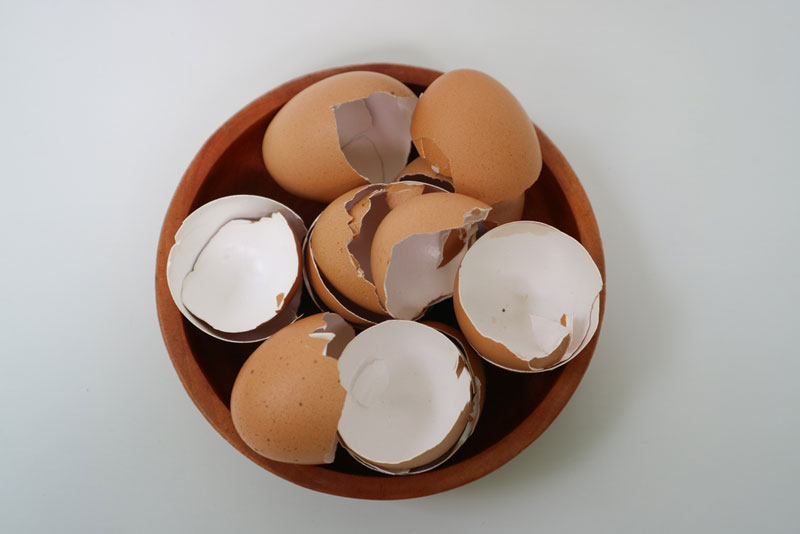
As mentioned earlier, eggshells are not just for tossing in the garbage! They are made up of approximately 95% calcium carbonate, making them a rich source of this essential mineral. Calcium is vital for just about every living thing, and that includes our furry friends. Dogs require calcium for strong bones, teeth, and muscles as well as proper nerve functions. That being said, before you go handing your pup whole eggshells, some preparation is needed.
When considering feeding eggshells to dogs, it’s important to do it safely. Rinsing the eggshells to remove any residual egg content is crucial because uncooked egg whites contain avidin, a protein that can inhibit the absorption of biotin, a necessary vitamin for dogs. After rinsing, these shells can be dried and ground into a fine powder before mixing into your dog’s food. This process not only makes the eggshell more digestible but it also ensures your dog won’t have to deal with sharp pieces that could cause harm. In fact, many pet owners have discovered that sprinkling eggshell powder over their dog’s meals is an inexpensive and efficient way to up the calcium content without needing to search for specialized supplements.
However, it’s always wise to consult with your vet before making any significant dietary changes. They’ll take into account your dog’s age, size, activity level, and any existing health conditions. Dogs with certain medical conditions or dietary restrictions may not benefit from eggshell consumption, so it’s essential to ensure you’re putting their health first.
How Much Eggshells Can Dogs Eat?
Alright, we know that eggshells are a ‘yes’ for our pups but the big question remains: how much can they safely consume? The amount largely depends on the size and dietary needs of your dog. Generally, smaller dogs can benefit from about one-half teaspoon of ground eggshell per day, while larger dogs may need anywhere from one to two teaspoons.
The good news is that these measurements are not set in stone. Instead, they serve as a starting point. Monitoring your dog’s health and behavior after introducing eggshell powder into their diet is crucial. Always start with smaller amounts to see how your dog reacts. If they seem fine, you can gradually increase the quantity. Too much calcium can lead to health issues like kidney problems, so striking a balance is key.
Additionally, we need to think about the other sources of calcium in your dog’s diet. If they are receiving calcium through fortified dog food or treats, it’s important to calculate how much additional calcium they’re consuming from eggshells to avoid going overboard. Dogs who are pregnant or nursing may have different nutritional requirements, so consulting your vet is particularly important to ensure you’re catering to their specific needs.
If your furry friend is already getting enough calcium from other sources, you might want to limit eggshells to an occasional treat rather than a daily addition. It’s all about finding that sweet spot that keeps your dog healthy and happy!
Benefits Of Eggshells To Dogs
Now that we’ve covered the basics, let’s get egg-cited about the benefits! As mentioned before, eggshells provide a natural source of calcium, promoting strong teeth and bones in our dogs. This is especially vital for puppies as their bones are growing and developing. Calcium can help prevent issues like hip dysplasia, particularly in larger breeds that are more prone to skeletal problems.
In addition to strengthening bones, calcium supports proper muscle contractions, nerve functions, and even blood clotting. Not to mention, it’s also really beneficial for older dogs who might need a boost as they go through the natural aging process. Keeping their bones strong during their golden years ensures they can maintain a good quality of life.
Eggshells also contain trace amounts of other minerals, including magnesium and phosphorus, which are also essential for maintaining overall health. By introducing these into your dog’s diet, you’re offering them a more comprehensive nutritional profile. An unexpected bonus is that many dog owners have noticed that their pets’ coat health improves as consistent intake of calcium can contribute to a shiny, healthy coat.
Beyond nutrition, eggshells might even aid in dealing with specific health issues. For dogs suffering from joint problems or arthritis, increasing their calcium intake can alleviate discomfort, promoting better mobility. We can also see eggshells as a tech-savvy dog owner’s way of contributing to a no-waste lifestyle since repurposing what would otherwise be trash isn’t just eco-friendly, it’s a win for budget-conscious pet owners too!
Dangers Of Eggshells To Dogs
As we’re dishing out all the positives, we must also consider the potential risks and dangers that come with feeding eggshells to our beloved dogs. Firstly, raw eggs can carry harmful bacteria like Salmonella, so ensuring the eggshells are well-rinsed and baked to eliminate any potential pathogens is crucial. Baking the shells for a short time not only sanitizes them but also makes them easier to grind.
Another potential concern is the sharp pieces in whole eggshells. Dogs can be enthusiastic eaters, and bits of sharp eggshell may pose a choking hazard or could scratch their throat or gastrointestinal tract. That’s why grinding the shells into a fine powder is so important—it makes the eggshells more digestible and less likely to cause harm.
Too much calcium can also cause health problems, as we previously touched on! Excessive calcium can lead to conditions such as hypercalcemia, which can result in symptoms like vomiting, lethargy, or more severe complications. Watching how much you’re giving and remaining conscious of the calcium content in your dog’s other food sources is essential to sustainable feeding practices.
Other Allergies, Some dogs may have specific allergies or intolerances, and it’s always wise to introduce any new food in small quantities. This helps to gauge any adverse reactions or allergies that may not have been previously identified. Always be on the lookout for signs of an allergy such as itching, digestive upset, or unusual behavior just in case the eggshells don’t sit well with your dog.
Lastly, consulting a veterinary professional is paramount before making significant dietary changes. They can provide tailored advice based on your dog’s specific health needs and conditions, ensuring you’re not inadvertently doing more harm than good.
Substitute Of Eggshells For Dogs
So, what if eggshells just aren’t your cup of tea or if your dog has any adverse reactions? Fret not because there are plenty of substitutes that can provide those essential nutrients! A great alternative is dairy products, such as yogurt or cheese, which are also rich in calcium and other healthy elements.
Calcium-fortified dog food can also be a good option if we’re worried about balancing our dog’s diet. Many commercial dog foods are already designed to provide your pet with all the essential nutrients they normally require. If you want additional sources, you can also look into specially formulated calcium supplements designed for dogs—just be sure to speak with your vet about which brand would be the best fit.
If you’re looking for something more natural, consider adding leafy green vegetables like kale or broccoli into your dog’s treats. They can provide calcium and other nutrients that help them stay healthy. Ground bones are also a fabulous source of calcium for dogs. Make sure to source them from reputable suppliers and ensure they are prepared properly to avoid any choking hazards.
By considering these substitutes, we can ensure our furry friends get their calcium without relying solely on eggshells. We all want our dogs to lead happy and healthy lives, and fortunately, there are many avenues to support their nutritional needs.
Can Dogs Eat Eggshells? Frequently Asked Questions
Are Eggshells Safe For Puppies?
Puppies can benefit from the calcium found in eggshells, but it’s crucial to introduce them with care. Since puppies can have sensitive digestive systems, consult your vet before adding this to their diets.
How Should I Prepare Eggshells For Dogs?
Make sure to rinse them well, bake them briefly to eliminate bacteria, and grind them into a fine powder before feeding to your dog.
Can Dogs Have Eggs Without The Shells?
Yes, dogs can eat egg whites and yolks, but be cautious with raw eggs due to the risk of Salmonella. Cooked eggs are a safer alternative.
Can Eggshells Help With My Dog’s Joints?
The calcium in eggshells can help support bone health, which may indirectly support joint health, especially in aging dogs.
What If My Dog Refuses To Eat Eggshells?
If your dog turns their nose up at the eggshell powder, don’t stress! Mixing it into their favorite food or treats can often help them accept it.
Final Thoughts
When it comes to sharing our food with our beloved dogs, it’s vital to ensure that what we provide is safe and beneficial for them. Eggs and their shells can be a fantastic source of calcium and other nutritional benefits, but we must be cautious in how we prepare and serve them to avoid any risks or health complications.
Ultimately, the decision to feed eggshells to dogs boils down to preparation and moderation. Together, we can ensure that our furry pals stay happy, healthy, and well-nourished. If you’re looking for more exciting pet food options, why not check out some articles on foods our furry friends eat Or even dive into whether cats can eat egg shells? From our pets to yours, may we share delicious and healthy meals together!