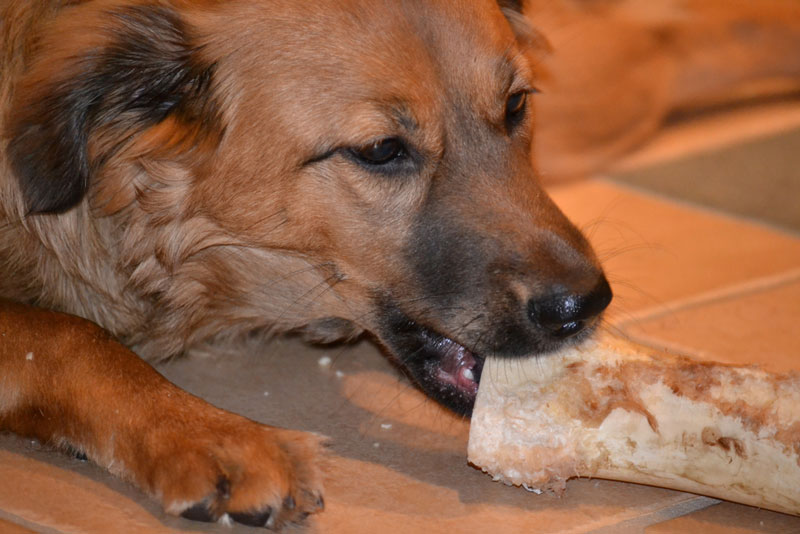
Hello fellow pet lovers! Today, let’s talk about something that might have crossed your mind: can dogs eat pork chop bones? As dog parents, we always prioritize our furry friends’ health and happiness. Still, we sometimes find ourselves wondering what foods we can safely share with them. Whether it’s indulging in a tasty meal ourselves or trying to keep our pups from gazing longingly at our dinner plates, it’s tough to resist those puppy dog eyes!
Dogs have been our loyal companions for thousands of years. They briskly trot beside us on walks, guard our homes, and are always up for a good belly rub. But with all the love we show them, it’s important to be informed about what they should and shouldn’t eat. After all, we want to keep our canine buddies happy, healthy, and out of trouble. So, can dogs eat pork chop bones? Well, let’s address that question head-on. The answer is a little tricky, and we’ll explain why in just a moment. Stay tuned!
To fully understand if pork chop bones are safe for our furry pals, we need to explore various aspects such as benefits, risks, and alternatives. So, let’s dig into the details together and ensure our pups stay as safe and happy as can be!
You might also be interested in: Can Dogs Eat Ham Bones?
Can Dogs Eat Pork Chop Bones?
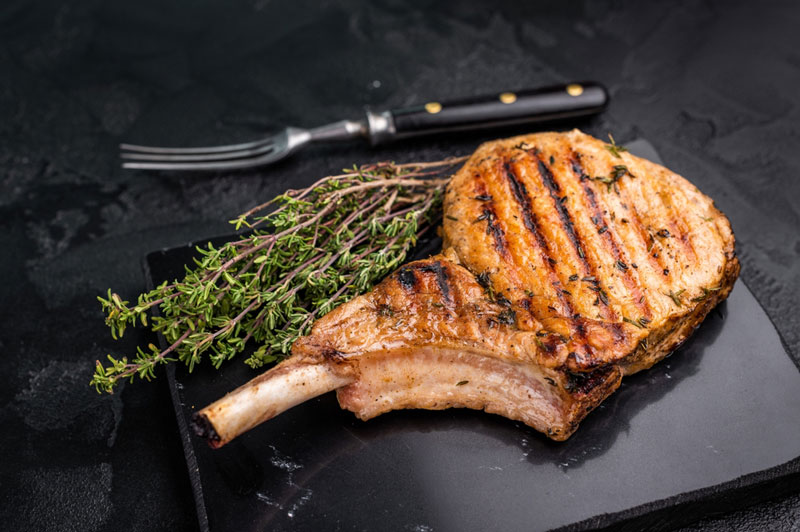
Pork chop bones might seem like a delightful treat for our dogs; after all, they can be just as delicious as they are messy for us humans. It’s tempting to toss our pup a bone we’ve finished eating, imagining them happily gnawing away at it. However, the truth is that feeding our dogs pork chop bones comes with some serious considerations.
Let’s start with the basics: raw bones and cooked bones behave very differently in terms of safety for dogs. Generally, it’s considered unsafe to give dogs cooked bones, including pork chop bones. When cooked, bones become brittle and can splinter easily, leading to sharp shards that can get lodged in your dog’s throat, stomach, or intestines. This can potentially cause serious injuries or even necessitate surgery. It’s a bit like taking a bite out of a sharpened pencil—definitely not something we want for our furry buddies.
But what about raw pork bones? Some dog owners argue that raw bones have health benefits and can be a great source of nutrition as well as a fun chewing experience for dogs. Raw bones tend to be softer and more pliable, reducing the risk of splintering. They can also help clean your dog’s teeth, contributing to better dental health along with supplying essential calcium.
Nonetheless, it’s still essential to approach this with caution. Pork as a meat can carry potential parasites like Trichinella spiralis if not prepared properly. Therefore, the best practice is to ensure that any bones given to dogs are fresh and sourced from reputable providers and also thoroughly checked for signs of contamination.
So in conclusion, while dogs can technically eat raw pork chop bones, the cooked ones are a definite no-go! We all want our pups to have a good time, and it’s our responsibility to keep them safe while they enjoy their treat. It’s important to monitor them while chewing any bones, regardless of type. Always be cautious and consult with your vet if you’re unsure what’s best for your dog’s individual needs!
How Much Pork Chop Bones Can Dogs Eat?
Determining how much you can safely give your dog in terms of pork chop bones can be a bit perplexing, as every dog is unique. When it comes to the quantity of pork chop bones, moderation is key. Even raw bones should not make up a majority of your dog’s diet; they should be treated more like an occasional treat rather than a meal replacement.
A good rule of thumb is to offer bones that are appropriately sized for your dog. For small breeds, a small pork bone is advised; for larger breeds, you might consider larger cut bones. It’s vital to keep portion sizes in mind to prevent potential choking hazards or digestive distress. If you have a puppy or a smaller dog, it’s advisable to consult with your vet regarding the size and type of bone that’s best for them.
When feeding dogs bones, it can be helpful to limit it to around one or two bones a week, depending on their size and health. Regular dog food should constitute the majority of their diet, as it typically ensures they receive the crucial nutrients needed for overall well-being. Bones should be provided as a special treat to keep them exciting rather than an everyday occurrence.
It’s also worthwhile to keep an eye on your dog’s progress and overall reaction after consuming pork bones. Make sure they’re not showing any signs of distress, lethargy, or digestive issues. If you notice anything unusual, take a moment to consult your vet to ensure everything is alright.
By limiting the amount and supervising the experience, we set the stage for safe enjoyment—for both our dogs and ourselves! Let’s keep our furry friends healthy and happy while giving them treats in moderation.
Benefits Of Pork Chop Bones To Dogs
Feeding our dogs pork chop bones can come with some notable benefits when done correctly! Let’s explore some ways that raw pork bones can positively contribute to their health and overall happiness.
One of the major benefits of giving dogs raw bones is dental health. Chewing on bones can help remove tartar buildup and reduce the chances of gum disease. Just like for us, maintaining proper dental hygiene is critical for our furry friends. Dogs often find chewing satisfying, and it’s quite the workout for their chompers! Not only does it help clean those pearly whites, but it can also alleviate some of that pesky boredom.
Another benefit is nutritional value. Raw bones, particularly those that have a bit of meat still attached, can be an excellent source of protein, calcium, and other essential minerals. These nutrients contribute to our dog’s bone and joint health, making them vital in a well-rounded diet. For dogs that may require additional protein intake, raw pork bones can serve as a delightful solution.
In addition to physical health, there’s also the psychological aspect of enjoyment. Dogs are natural chewers, and giving them a pork bone can stimulate their minds and keep them engaged. Chewing is an instinctual behavior, and providing them with the opportunity to enjoy a raw bone can promote mental well-being. Think of it as a fun puzzle that keeps them busy as they work to get the most out of their bone!
However, while there are benefits, we should also remember to keep these treats occasional, as too many bones could upset their stomachs or lead to constipation. Moderation is key! Incorporating pork bones into a balanced diet layered with other nutritious foods will help us provide a healthy lifestyle for our four-legged friends. Together, let’s ensure our dogs thrive with a variety of experiences!
Dangers Of Pork Chop Bones To Dogs
While there are benefits to pork chop bones, it doesn’t come without its share of risks and dangers. We need to be mindful of these concerns to keep our furry friends safe and healthy.
As mentioned earlier, the biggest danger comes from cooked bones. After cooking, bones can splinter into sharp pieces that pose significant risks for our dogs. These shards can puncture their digestive tract, creating potentially life-threatening situations that may require emergency surgery. Not an ideal scenario for our beloved pals! Even raw bones can present risks if not monitored properly, as they can also break into splinters or pose a choking hazard.
Another danger stems from bacteria and parasites present in raw meat. Pork can carry Trichinella spiralis, which can cause a parasitic infection in dogs, known as trichinosis, leading to vomiting, diarrhea, and even more severe symptoms. Ensuring that any raw bone you provide is sourced from a reliable source and is fresh helps mitigate the risks of contamination. But we must always be vigilant for any signs of distress or illness, as our pups cannot communicate what they feel.
It’s essential to pay attention to your dog’s chewing habits. If your pup is an aggressive chewer, they may be at an increased risk of dental fractures, not just from bones but from chewing on harder objects in general. Tropical Beach, where dogs can explore freely, may sound fun, but we want to avoid anyone feeling “under the weather” afterward due to inadequate supervision while chewing.
All these potential hazards emphasize the importance of consulting with your veterinarian if you’re ever unsure about what to feed your furry companion. Your vet can provide valuable guidance suited specifically to your dog’s needs, ensuring their diets remain wholesome and enriching. Let’s work together to do our very best for our canine companions, keeping them happy and healthy!
Substitute Of Pork Chop Bones For Dogs?
If there’s any doubt about giving pork chop bones, fear not! There are plenty of safe alternatives that can keep our dogs satisfied and entertained. Exploring these substitutes can also help ensure our pets receive balanced nutrition, which is essential for their well-being.
One popular substitute is raw, meaty bones like beef or chicken. They maintain many of the same benefits as pork bones in terms of dental health and entertainment value but are generally considered safer. These alternatives often have less risk of splintering while still providing essential nutrients. Just be sure to choose those that are appropriate for your dog’s size to promote safe chewing.
Another option is giving your dog commercially prepared chew toys. There are fantastic products available that are designed to mimic the texture and function of bones without the risks associated with real bones. These can provide a great outlet for chewing while keeping their teeth clean. Plus, they’re specifically made to ensure that our furry friends stay safe while having fun!
If your dog enjoys the taste of meat, consider trying raw or freeze-dried treats that are safe for dogs. These can deliver protein and taste with fewer risks—plus, many dogs find them utterly irresistible! You can also opt for fresh fruits and vegetables that are safe for dogs, which can provide different textures and a boost of nutrition. Baby carrots and apple slices (without seeds) can make for delightful and crunchy treats.
Of course, it’s always a good idea to keep an open dialogue with your vet about these alternatives. They can help recommend nutritious snacks based on your dog’s preferences and dietary requirements. Let’s keep learning about our furry friends’ tastes and health needs together, ensuring they continue to enjoy life to the fullest while staying safe!
Can Dogs Eat Pork Chop Bones? Frequently Asked Questions
Are All Bones Safe For Dogs?
Not all bones are created equal! Raw bones are typically considered safer, while cooked bones can pose serious risks by splintering.
Can Puppies Eat Bones?
Puppies have sensitive digestive systems, and it’s best to consult with your vet before introducing any kind of bones. They may need special consideration for their growing bodies.
What Should I Do If My Dog Eats A Splintered Bone?
If your dog has consumed a splintered bone, contact your vet immediately. They can assess the situation and recommend the best course of action.
How Can I Tell If A Bone Is Too Hard For My Dog?
If the bone is very hard and your dog is having difficulty chewing or showing signs of distress, it’s best to remove the bone and try a softer alternative.
Are There Any Bones My Dog Should Absolutely Avoid?
Yes! Avoid giving your dog cooked bones, especially those from poultry, as these are more likely to splinter and cause harm.
Final Thoughts
In our journey as dog owners, it’s essential to be informed about what’s safe and healthy for our furry friends. Although some bones, like pork chop bones, may present a tempting treat, it’s crucial to fully understand the potential risks involved. With so many delicious and safe alternatives available, we can ensure our pups remain safe while still enjoying tasty rewards.
Let’s choose wisely and consult with our vets as needed. And remember, alongside proper nutrition and fun treats, loving companionship and regular activity play key roles in our dogs’ overall happiness and well-being. Here’s to all the tail-wagging adventures that await us and our furry companions!
If you’re curious to learn more about what other foods are safe for our pets, feel free to explore topics such as can dogs eat roast beef or discover Foods Our Furry Friends Eat. There’s a whole world of pet health knowledge out there, so let’s keep reading and sharing together!