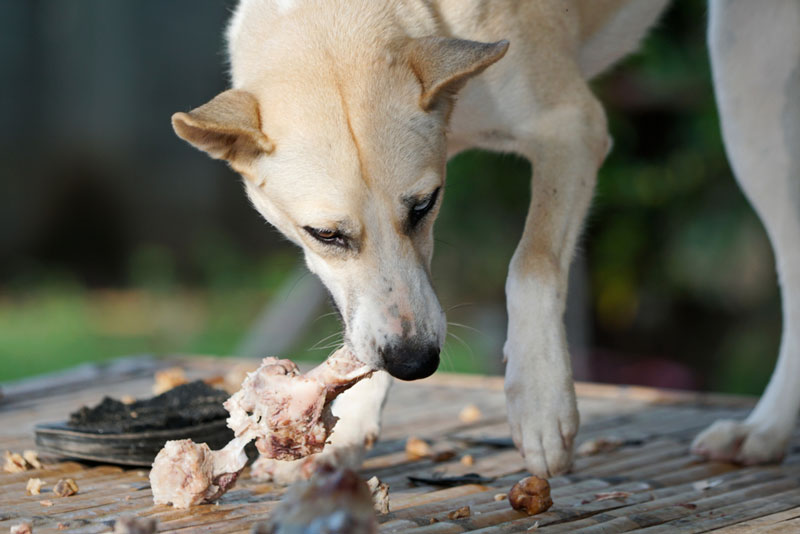
Welcome fellow pet lovers! Today, we’re going to tackle an important question many pet owners often ask: can dogs eat turkey bones? It’s a topic that causes a lot of concern and confusion, especially during the festive season when turkey is a star on many dinner tables. As a vet and a proud pet lover, I want to help you understand this issue better.
Turkey bones might look tempting for our furry friends, but they can actually pose some risks. It’s a common misconception that all bones are safe for our pets to munch on. You might find yourself pondering whether those leftover bones from your Thanksgiving dinner are something your pup can enjoy. The answer is a resounding no! While dogs can enjoy turkey in moderation, the bones should be avoided altogether.
So, if you want to keep your canine companions happy and safe, stick around as we dig deeper into this turkey bone dilemma. We’ll cover everything you need to know about turkey bones and your furry friends, from possible benefits and risks to alternatives that might be healthier and safer for them. Trust me, you won’t want to miss this!
You might also be interested in: Can Dogs Eat Turkey Bacon?
Can Dogs Eat Turkey Bones?
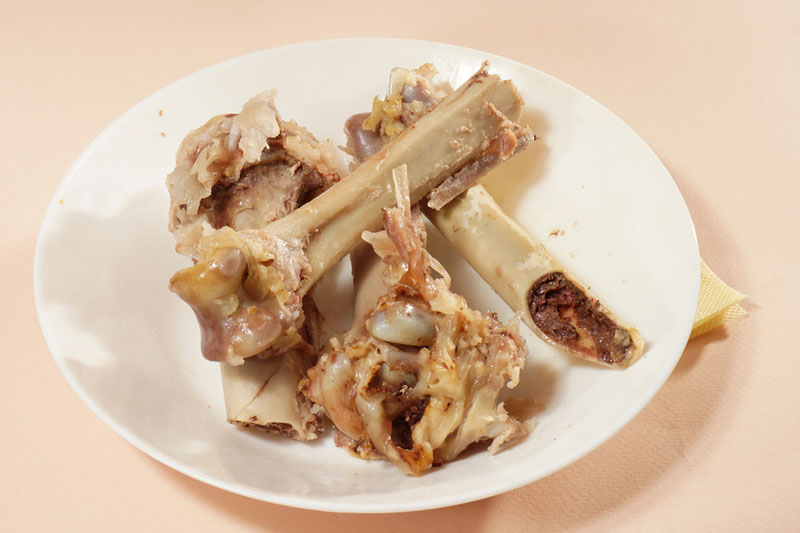
Let’s get to the heart of the matter: Can dogs eat turkey bones? The answer is unfortunately no. While dogs have strong jaws and a natural instinct to chew on bones, turkey bones, particularly when cooked, can be quite dangerous.
When turkey bones are cooked, they tend to become brittle and splinter easily. That means that as your dog chews on the bone, it could break apart into sharp fragments that can cause serious injuries to their mouth, throat, and digestive system. We sure don’t want any emergency trips to the vet, right?
Raw turkey bones, on the other hand, are generally safer. They are softer and less likely to splinter. However, even raw bones can still pose risks, such as bacterial infections. We must always consider not just the teeth of our dogs, but also their overall health. A simple, harmless treat can turn into a potential threat!
So, while the idea of sharing some turkey leftovers with our canine companions sounds fun and festive, we have to think about their well-being first. It’s always better to choose safer alternatives that are specifically designed for dogs rather than risking their health with something as dangerous as turkey bones.
How Much Turkey Bones Can Dogs Eat?
When it comes to feeding our dogs, there is definitely a fine balance to strike. We all love to spoil our pets and give them special treats, but understanding how much of a food is safe for them is crucial. Although turkey bones are not recommended, let’s discuss how to safely include turkey in their diet!
If you do want to treat your dog with turkey, it’s best to stick with cooked, boneless turkey meat. Turkey is considered a lean protein and can be great in moderation! The ideal amount of turkey to feed your dog largely depends on their size. For example, a small dog could have around a couple of ounces, while a larger dog might enjoy more like a half-cup. It’s always wise to consult your vet, especially if your pup has specific dietary needs.
When including turkey in your dog’s diet, ensure it’s unseasoned and free of any sauces or high-fat content which can upset their stomach. Lots of seasonings are harmful to dogs. Trust me, they don’t need any added spices to thrive!
So, as we think about how much turkey is appropriate for our dogs, it’s essential to emphasize moderation and safety. Keeping the turkey meat plain and simple is best for our furry companions. A little shareable holiday spirit can go a long way when done right!
And remember, we can always look for different ways to give our dogs a treat without putting them at risk, even during special occasions. There are various meat options made just for them, which makes it easier for all of us pet parents!
Benefits Of Turkey Bones To Dogs
Now that we’ve established that turkey bones are off the treat list, it’s time to shine a light on the positive advantages of including turkey in our dog’s diet! Yes, turkey can be beneficial for our furry friends when prepared correctly. Let’s explore the benefits so we can still celebrate with our pups during festive occasions.
One huge plus of turkey is its high protein content. Protein is essential for a dog’s overall health, as it helps build strong muscles and supports their immune system. A healthy serving of turkey provides our dogs with an excellent source of essential amino acids, which are necessary for optimal body function.
In addition to protein, turkey is low in fat compared to other meats, such as beef or pork. This can be a real game-changer for our canine companions who may be on a weight management plan! Lean turkey can help maintain muscle mass without contributing excessively to weight gain.
Another benefit? Turkey is loaded with nutrients! It contains important vitamins like B6 and niacin, which help support a healthy metabolism and energy release. Those energetic pups will love this boost! Plus, turkey contains zinc, selenium, and phosphorus, which contribute to a healthy immune system and strong bones.
Considering all these benefits, it’s easy to see why many dog owners are eager to add turkey to their pet’s diet. As long as we keep it bone-free and unseasoned, we can safely introduce turkey as a delightful addition to their meals or as a treat! We can enjoy those family gatherings while still keeping our furry friends healthy and happy!
Dangers Of Turkey Bones To Dogs
Now, let’s flip the coin and examine the risks associated with feeding our dogs turkey bones. Though we want to give our pets the best, some things, like turkey bones, can quickly turn into a nightmare if we aren’t careful. Here’s why these bones should stay far away from our beloved canines!
The primary danger of turkey bones lies in their ability to splinter. Once a bone is chewed on, it can break into sharp shards that can puncture the throat or intestines, or get lodged in the stomach. The thought of our fluffy companions having to undergo surgery is enough to make any pet parent shudder!
It’s not just the physical injuries that concern us either. Accidental ingestion of bone fragments can also lead to gastrointestinal blockages. Think of it this way: your dog’s stomach is not like a garbage disposal. It’s meant to digest food, not bones!
There’s also a risk of bacterial contamination! Cooked turkey bones can harbor harmful bacteria that can lead to serious illnesses in dogs. A sick pup is no fun, and the last thing we want is for our fur baby to feel unwell due to something we gave them.
To sum it up, feeding turkey bones to dogs might seem harmless, but they can lead to potential injuries and health issues that can be avoided with a little caution. If you want your pups to enjoy a treat this holiday season, rely on dog-safe snacks instead of turkey bones. That way, we can keep our furry pals in the best shape possible!
Substitute Of Turkey Bones For Dogs
Now that we understand the risks tied to turkey bones, what options do we have for making our four-legged friends feel special during meal times? No need to worry! There are plenty of pet-approved treats that can be both delightful and safe for our canine companions. Here are some tasty substitutes to consider!
One great option is to give your pooch some well-cooked, boneless turkey meat, just as we mentioned earlier. This allows our dogs to enjoy the flavor of turkey without the risks associated with bones. It’s a win-win situation! You can serve it alongside their regular food or use it as a special reward for good behavior.
If you want to mix things up, consider trying various other meats that are safe for dogs. Chicken, lamb, and beef can also be great protein sources. Just like turkey, refrain from seasoning! There are specific dog-friendly meat treats available, and if you’re ever in doubt, consulting your vet for recommendations is always a smart move.
Another fun and nutritious substitute for turkey bones is providing your dogs with large, hard chew toys designed to promote dental health. These are typically made of safe materials and can keep your dog engaged and entertained while promoting healthy teeth and gums!
If you want to occasionally spoil your pup with a treat, try raw veggies like baby carrots or cucumber slices. These provide great crunch and vitamins while being much gentler on our pup’s digestive system than bones. Making healthy choices for our fur babies can truly make us feel good inside!
In conclusion, it’s entirely possible to keep our dogs happy and healthy without risking their well-being. With these great alternatives to turkey bones, we can create safe, tasty experiences while enjoying the joys of being a pet parent!
Can Dogs Eat Turkey Bones? Frequently Asked Questions
What Should I Do If my Dog Eats A Turkey Bone?
If your dog manages to sneak a turkey bone, keep an eye on them for any signs of distress such as vomiting, drooling, or difficulty breathing. Contact your vet immediately if you notice anything unusual, as prompt treatment is important in such situations.
Are There Types Of Bones That Are Safer For Dogs To Eat?
Raw bones can be a safer alternative compared to cooked bones, however, supervision is key. Consulting your vet about appropriate bones is essential to ensure they’re suitable for your dog’s size and health.
Can Dogs Be Allergic To Turkey?
Yes, just like humans, dogs can have allergies or intolerances to turkey. If you notice any unusual reactions after they eat turkey, consult your vet for guidance.
How Can I Incorporate Turkey Into My Dog’s Diet Safely?
Always opt for well-cooked, boneless turkey and serve it plain. You can mix small amounts into their regular food or offer it as an occasional treat.
Are There Any Other Holiday Foods I Should Avoid Giving My Dog?
Yes, there are several holiday foods that can be harmful to dogs, such as chocolate, grapes, onions, and anything that contains xylitol. Always research or check with your vet before sharing any human food with your pet.
Final Thoughts
Taking care of our furry friends is a big responsibility that we cherish. Understanding what our pets can safely eat keeps them happy and healthy while we enjoy the special moments together, whether it be during a family dinner or a festive holiday. Although turkey bones should be avoided due to the risks they pose, we have plenty of options to ensure our dogs still feel included in our culinary celebrations.
The next time we gather around the Thanksgiving table, or simply want to pamper our pups, let’s reach for healthier alternatives! Always remember to keep our pets in mind, and in doing so, we can forge strong bonds and create lasting memories with our fur family. If you’re ever curious about other human foods and their effects on pets, don’t forget to check out trusted resources like Huston Veterinary for more information!