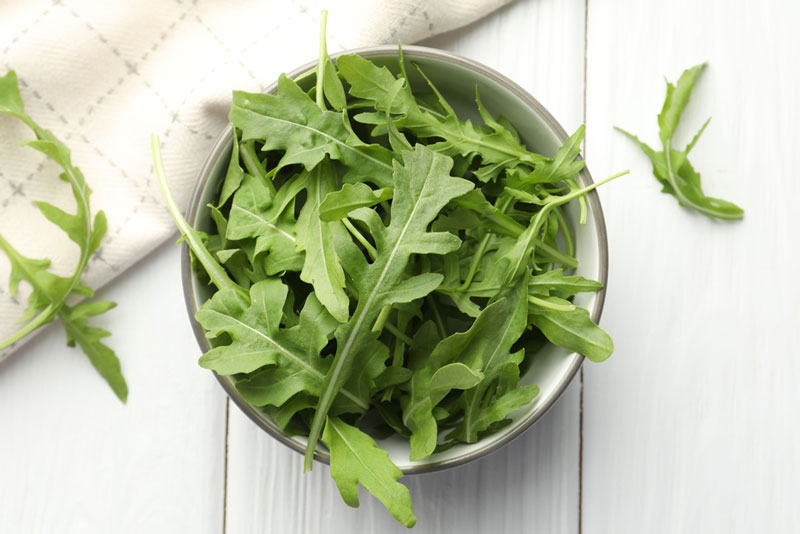
Welcome, fellow pet lovers! Here we are once again, gathering around to chat about our furry friends and what we can feed them that won’t make us pull our hair out in worry. As devoted pet owners, we probably find ourselves in the kitchen quite a bit, thinking up tasty, healthy snacks for our dogs. And you might have found yourself staring at a fresh bunch of arugula and wondering, can dogs eat arugula? Well, let me say that you are in the right place to get all the answers you need!
Now, we all know that dogs can eat certain fruits and veggies, but arugula? That’s the wild card, my friends! So let’s address the question: Can dogs eat arugula? The answer is yes, they can! Arugula is generally safe for dogs and can even offer some benefits. However, like anything new, it’s best to introduce it gradually and watch your precious pup for any reactions. So, why should we keep reading about arugula and our dogs? Buckle up, because we will uncover the potential benefits, how much to serve, possible risks, and even alternatives if arugula isn’t quite your dog’s thing!
You might also be interested in: Can Dogs Eat Bok Choy?
Can Dogs Eat Arugula?

We often choose to serve our dogs food that contributes to their health. That delicious, peppery green, arugula, or “rocket” as some might call it, is becoming a popular addition to human plates. But can we share a little bit of that freshness with our canine companions? The good news is that arugula is indeed safe for dogs! It is not toxic, which is a huge win for both dogs and their owners. This leafy green is packed with vitamins A, C, K, and B vitamins, plus minerals such as calcium, potassium, and magnesium. In our quest to keep our dogs healthy, these nutrients seem like a bonus treat, don’t they?
Beyond that, arugula brings a unique flavor—one that could spice up your dog’s dining experience compared to the usual kibble. But we must remind ourselves not to be overly adventurous as our dogs may not have the same refined palate as us. Some dogs may love the taste, while others might turn their nose up at it. It’s always essential to remember our dog’s individual preferences and taste buds.
If you’re considering adding arugula to your dog’s diet, always wash it thoroughly. After all, we want to avoid any pesky pesticides and dirt that might linger on the leaves. And let’s not forget about portion control! While this crunchy green can be a fun addition, moderation is key. Arugula can occasionally lead to gas for some pups (and we all know how dogs can be with that). Instinctively, we may want to overindulge our dogs with new food, but let’s just take it slow for their tummies’ sake.
How Much Arugula Can Dogs Eat?
Alright, now that we know our furry friends can munch on arugula, the next question on our list is: how much should we give them? Isn’t it hilarious how we often treat our dogs like they are delicate little flowers? But here’s the truth – their stomachs can handle more than we think, as long as we tread carefully.
When introducing any new food into your pet’s diet, it’s best to start small. A couple of leaves chopped up and mixed with their usual food could be the perfect way to start. A good rule of thumb is to keep the portions to about 10% of your dog’s daily food intake. So for a medium-sized dog, a few leaves probably won’t cause any harm. On the other hand, it’s wise to monitor their reactions. If you notice any signs of discomfort or digestive issues, you may want to cut back or even skip the arugula on their plates.
As our pups are all unique, their reactions might differ based on size, breed, and health. Smaller dogs might only need a quarter of a leaf to start, while larger breeds can handle more. Gradually increase the amount if they seem to enjoy it and don’t have any adverse effects. Just because we can eat mountains of salad doesn’t mean our dogs should follow our lead. Every pup has its own limits, so let’s respect that!
And let’s not forget that some dogs may experience a few tummy troubles after munching on new greens. An occasional doggie toot is one thing, but if your precious pooch has a tummy ache or runs to the bathroom more than usual after eating arugula, it might be best to stick to the tried and true options they already love.
Remember, friends, introducing new foods can be an exciting yet nerve-wracking adventure. Watch how your four-legged pal reacts, and when in doubt, it’s always a good idea to consult with your veterinarian. They know your dog’s specific health needs and can help guide you on what’s best for your furry baby. With a little patience, we can uncover a new snack that our pups may not only love but also benefit from!
Benefits Of Arugula To Dogs
Now for the fun part! What are the benefits of letting our dogs enjoy the unique taste of arugula? This leafy green may have some surprises up its sleeve that can positively impact our canine friends’ health! We all want happy, healthy dogs, and arugula can be a delightful boost to their diet!
To kick things off, let’s revisit those vitamins and minerals packed into arugula. Vitamin A is essential for our dogs’ vision, skin, and immune function. It helps them see in low light—a bonus for when they want to chase after that pesky squirrel at dusk! Vitamin C is also an antioxidant that could help strengthen their immune system, keeping those germs at bay during cold and flu season.
Next is vitamin K, which is crucial for blood clotting and bone health. Much like us, dogs need a balanced intake of nutrients to maintain strong bones and healthy joints. A salad side of arugula could support their overall growth and vitality—something we all strive for as devoted pet parents!
Don’t forget about the minerals! Calcium for their bones, potassium for their nerves and muscles, and magnesium for overall well-being. Arugula might just become that secret weapon we didn’t know we needed for keeping our furry friends in tip-top shape!
And here’s another nugget of joy: arugula is low in calories! That means if we’re on a mission to keep our pups at a healthy weight while still treating them to something new, this could be a winner for sure. A little greens love can go a long way in adding some variety to our dog’s diets without unnecessary calorie overload.
Puppies can also benefit from arugula-filled meals. As they grow, they need all the nutrients they can get, and exploring new flavors can connect them to healthy eating habits. Of course, that is not to say we’ll be replacing their regular food any time soon. But incorporating a little arugula here and there might make mealtime a bit more exciting!
Let’s remind ourselves to be mindful, though. While the benefits are appealing, we must use common sense. Variety is the spice of life, so serving different veggies and fruits, including arugula, can be a wonderful addition to let our dogs enjoy while keeping things balanced. Keeping an eye on how they react will also help us determine the best adventure into the world of leafy greens!
Dangers Of Arugula To Dogs
As much fun as it is to explore new foods for our beloved pets, we can’t forget that there are always some risks involved. Not every food, no matter how healthy, will suit every dog, and arugula is no exception. So, let’s chat about the potential pitfalls of feeding this leafy green to our furry pals!
While arugula is generally safe, some dogs might find it hard to digest. If given too much, the leafy green can lead to some unwanted gastrointestinal upset, such as gas, diarrhea, or bloating. And we all know how puzzled and worried we get when our dogs have tummy troubles; it’s definitely not any fun for them either. If you notice that your dog is experiencing any of these symptoms, it’s best to stop serving them arugula altogether and explore more digestible treat options.
Additionally, since arugula is a cruciferous vegetable, it contains glucosinolates, which can interfere with thyroid function in high amounts. Although a small serving of arugula won’t hurt, it’s important to be cautious with how much you offer, especially if your pup has any underlying health issues. Just as we don’t want to load up on junk food ourselves, we need to be wary about overindulging our dogs in greens, too.
Lastly, if you grow your own arugula or purchase it from the store, always check for pesticides on the leaves. Be sure to wash it thoroughly to prevent any adverse effects on your dog’s health. Pesticide residue can be harmful and may result in stomach upset or other health issues.
As our canine companions are unique, one dog’s experience may not reflect another’s. It’s crucial to observe what works for your furry friend specifically. Talk to your veterinarian about any concerns regarding foods you’d like to add to their diet. They can help you better understand if arugula is right for your dog based on their individual health needs.
Substitute Of Arugula To Dogs
If after considering everything, arugula might not be the best fit for your pup, don’t fret! There are plenty of leafy greens and veggies that can jazz up your dog’s meal just as splendidly. Green beans, spinach, and kale are also nutrient-dense options that many dogs love! These alternatives can provide similar benefits while minimizing any potential risks.
Green beans are a popular choice among pet owners. They are low in calories and can be served fresh, steamed, or even frozen, providing a crunchy treat your dog may enjoy. In fact, some dog owners rely on green beans to help manage their pets’ weight. So if you want to keep things light and delightful, give those green beans a whirl!
Spinach is a fantastic veggie that adds excitement to mealtime! It contains vitamins A, C, and K, just like arugula. However, if you have a dog prone to kidney issues, be sure to consult with your vet before introducing spinach. Moderation remains key when serving spinach to ensure it doesn’t lead to upset tummies!
Kale, another superstar green, is hailed for its remarkable nutrient profile. It can be trendy among humans, and dogs may enjoy it just as much. It’s rich in vitamins and antioxidants that can support your dog’s overall health. Just as with arugula, serving kale in moderation is smart. A little goes a long way when it comes to new greens in the diet!
Fruits can also be a delightful treat! Blueberries, apples (without seeds), and bananas can add sweetness and nutrition to your dog’s daily meals or snacks. Most dogs love the juicy texture and tasty flavors! These fruits are also excellent for keeping our hounds hydrated and happy.
The possibilities truly are endless when it comes to keeping our dogs’ diets varied and enjoyable. Always remember to introduce new foods slowly and in moderation, as dogs may have their preferences just like us! Each pup has a favorite dish waiting to be discovered, so let’s take this journey together in feeding our furry companions.
Can Dogs Eat Arugula? Frequently Asked Questions
Is Arugula Safe For Puppies?
Yes, it’s generally safe for puppies to eat arugula in moderation! However, it’s best to introduce it slowly and watch their reactions.
Can I Cook Arugula Before Feeding It To My Dog?
Cooking arugula can make it easier to digest, but it also might change the taste. Some dogs may prefer it raw, while others may not mind it cooked.
How Can I Serve Arugula To My Dog?
Chop the leaves and mix them into their regular food or provide them as a crunchy treat! Keep the portion small to start.
Can Dogs Eat Other Leafy Greens?
Definitely! Many leafy greens are safe, such as spinach, kale, and lettuce. Just make sure to research them individually.
What Should I Do If My Dog Has An Upset Tummy After Eating Arugula?
If your dog experiences an upset tummy after eating arugula, remove it from their diet and consult your veterinarian for advice!
Final Thoughts
Whether we’re talking about arugula or any other leafy green, we all want our furry companions to have healthy, delicious, and safe meals. Arugula can indeed be a fun flavor adventure as long as we use common sense and keep portion sizes manageable. By tapping into the amazing offerings of fresh veggies and fruits, we can keep our dogs happy and healthy.
So, don’t hesitate to experiment and explore all the good stuff nature has to offer! If you want to learn more about other human foods that pets can enjoy, check out foods our furry friends can eat! Let’s continue providing our pups with the best possible nutrition, love, and fun experiences. Here’s to treating our dogs with exciting—and healthy—new foods!