As pet lovers, we often wonder what our furry friends can eat. Dogs are known for their love of food, and we want to spoil them with tasty treats. However, when it comes to sharing our meals with them, caution is essential. We want to make sure we’re making safe choices for their health and well-being!
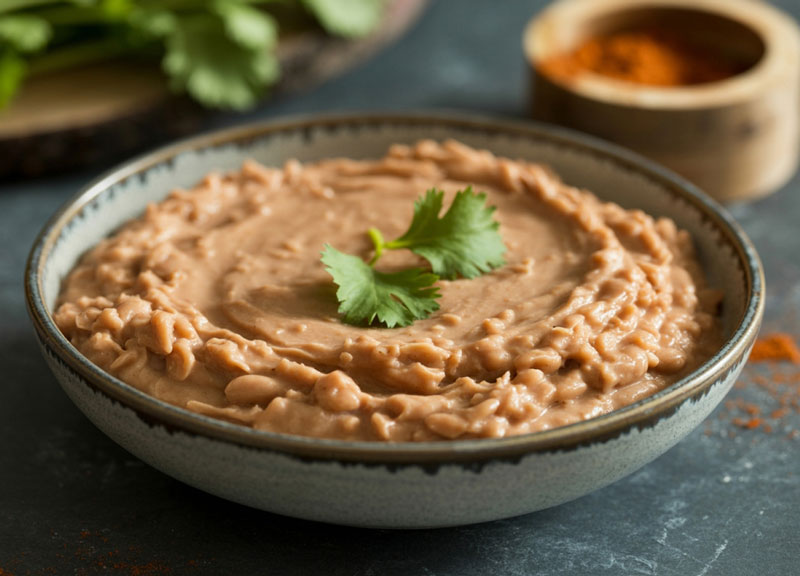
Now, speaking of tasty treats, let’s talk about refried beans. They are a staple in many households and a delicious part of Mexican cuisine. But can we share this creamy goodness with our canine companions? The answer is a little complicated. Although refried beans are technically not toxic to dogs, it’s crucial to consider what else goes into that delightful mixture. Most refried beans are cooked with spices, onions, and garlic, which can be harmful to our pets!
So, before we get all excited about throwing a little fiesta for our pups, we need to know how to navigate their dietary needs. Stick around, and let’s explore what makes refried beans suitable, how much is too much, their benefits, any potential risks, and if there are better options out there for our furry pals!
You might also be interested in: Can Dogs Eat Black Eyed Peas?
Can Dogs Eat Refried Beans?

When it comes to whether dogs can eat refried beans, the answer is somewhat conditional. Refried beans are typically made from pinto beans, which are safe in small amounts. Beans, in general, are rich in protein and fiber, making them a beneficial option when given in moderation. However, it is essential to remember that most refried beans you find at a grocery store or restaurant are not plain beans. They often come packed with flavors and ingredients that can be harmful to dogs.
The main concern arises from what is added to these beans during cooking processes, such as spices, onion, and garlic. These ingredients can lead to digestive problems or more severe health issues in our beloved pets. Onions and garlic, in particular, are known to be toxic to dogs and can cause symptoms like vomiting, diarrhea, and lethargy, not to mention possible long-term effects on red blood cells.
If you ever find yourself contemplating a spoonful of refried beans for your dog, the best approach is to consider plain, cooked beans as an alternative. Simply prepared beans without any added spices or harmful ingredients could serve as a supplement to your dog’s diet. Additionally, it’s a great way to incorporate healthy proteins into your pup’s meals.
How Much Refried Beans Can Dogs Eat?
While we can conclude that dogs can have some beans, it is essential to practice moderation. When introducing any new food, it’s best to start with a small quantity. If you’re thinking about sharing refried beans, first check the ingredients and ensure they do not contain any harmful substances. If they are plain and already cooked, a spoonful mixed into their regular food should suffice. Typically, an amount equivalent to one tablespoon per 10 pounds of body weight is a good starting point for occasional treats.
As we know, moderation is key! If we let our dogs indulge too much or too often, it may lead to a hefty bellyache or more serious problems like pancreatitis. This comes from feeding them items that are high in fats or ingredients that aren’t suited for their digestive systems. Always observe your dog’s reaction after testing a new food; if they show any signs of distress like gas, bloating, or unusual behavior, it’s best to refrain from future servings.
Most importantly, before making any changes to your dog’s diet, it’s always a good idea to consult your veterinarian. They can provide personalized advice based on your pet’s unique health requirements, ensuring that their diet supports their overall health.
So, while sharing a little bit of those refried beans is possible, the key is to do so safely and responsibly. Keep in mind that if your dog experiences digestive difficulty or shows signs of distress, it might be best to steer clear of these delightful beans in the future.
Benefits Of Refried Beans To Dogs
We all want our furry companions to enjoy delicious and healthy foods, and beans bring some fantastic benefits to the table! Refried beans, when appropriately prepared, can offer some intriguing nutritional value. One enormous benefit is the high protein content. Protein is fantastic for your dog’s muscles and overall health. Beans serve as a plant-based source of protein, which can be especially helpful if your pooch is a vegetarian or in addition to regular protein sources.
Another significant advantage is fiber, which beans are packed with. Fiber is a fantastic nutrient for our dog’s digestive system. Just like in humans, fiber can aid digestion and help maintain regular bowel movements, making for a happy tummy! This can be an excellent way for our pups to load up on some essential nutrients if we use a small amount of these beans as an addition to their main diet.
Beans are also rich in vitamins and minerals. For example, they contain iron, potassium, and folate, which may help keep your furry friend healthy. Potassium is especially important as it assists in maintaining proper heart and muscle function in dogs. Plus, beans can help regulate blood sugar levels, making them an excellent snack for any pup prone to diabetes!
Incorporating a little bean action into your dog’s diet can not only satisfy their taste buds but also provide them with a wealth of nutrients that help them thrive. Just remember, moderation is a big part of it and maintaining a balanced diet that primarily consists of high-quality dog food should remain the standard.
Dangers Of Refried Beans To Dogs
Let’s face it; we love to spoil our furry companions. However, when it comes to feeding them people food, there are significant risks to consider. The first and foremost hazard is the presence of toxic ingredients found in most commercially prepared refried beans. As mentioned previously, onions and garlic are two sneaky culprits often tucked away in bean recipes. Both these ingredients can lead to severe gastrointestinal distress and even damage red blood cells in dogs.
Another risk to be mindful of is the potential for overweight or obesity issues if we’re not careful with our portions. Beans may seem healthful, but they are calorically dense, and the added fats from cooking can be high as well. Therefore, if we overindulge our furry friends with too many treats, it could lead to bigger problems down the road.
Gas is another undesirable outcome that could occur after consuming beans. While beans can be great in moderation, they can also lead to flatulence, which can be quite smelly and uncomfortable for our pets. So, if our pup starts to sound like they’ve suddenly joined a brass band after dinner, it might be time to reconsider those beans!
Digestive upset is another possible effect of refried beans. A sudden introduction of a new food could lead to difficulties in digestion. If a dog is not accustomed to beans, they may experience diarrhea or vomiting. As with any food introduction, it might be a huge benefit to gauge their reactions when sharing something new!
In summary, while sharing those tasty refried beans might be tempting, the risks can significantly outweigh the benefits. It is always better to play it safe and consult with a veterinarian when adding new foods to your dog’s diet. Because at the end of the day, we want our furry pals to be healthy, happy, and full of energy!
Substitute Of Refried Beans For Dogs
If we love the idea of sharing beans with our furry friends but want to mitigate our worries about refried beans, there are some great alternatives available! One fantastic option is plain, cooked beans without any seasoning. These include pinto beans, black beans, or kidney beans – as long as they’re unseasoned! Beans can be mashed or served whole. Just make sure they’re cooked thoroughly, as raw or undercooked beans can be harmful to dogs.
Vegetable mash can also be a delicious option for our canine companions. We can create a nutritious blend of mashed sweet potatoes or pumpkin to share with our dogs. These options are packed with vitamins and fiber and are great for maintaining their gut health without the added risks associated with refried beans. Both sweet potatoes and pumpkin have lots of health benefits, and dogs love their yummy taste!
Another possibility is to include vegetables in your dog’s diet. Carrots, peas, and green beans are dog-safe veggies that can provide fiber and important nutrients without the danger of added seasonings or harmful ingredients. Serving veggies steamed or raw can also be a fantastic treat!
In addition to these substitutes, we can always talk with our vets for tailored dietary recommendations for our individual pets. They may have insight into our dog’s health that will help us design the best meal plans. There is no harm in looking for healthy alternatives that cater to our furry friends and keep their tails wagging!
Can Dogs Eat Refried Beans? Frequently Asked Questions
Can I Share Canned Refried Beans With My Dog?
If they contain harmful spices like garlic or onion, it’s best to avoid sharing, as those ingredients may be toxic to dogs.
What About Homemade Refried Beans?
You may have better control over what goes into your homemade refried beans. Just stick to plain beans and avoid adding any harmful ingredients.
Can My Dog Eat Bean Dips?
Most bean dips contain additional ingredients like cream cheese, spices, and preservatives, which are not dog-friendly. Always check the labels, and be cautious!
How Often Can Dogs Eat Beans?
Beans can make for an occasional treat, and limiting consumption to a small spoonful is a great way to start.
What Are Some Dog-Safe Snacks I Can Give?
There are plenty of options, including unseasoned cooked meats, fruits, veggies, and dog treats made specifically for them.
Final Thoughts
Sharing food with our furry companions can be a delightful experience. While we may be tempted to dish out a spoonful of refried beans, we must tread cautiously. We can safely provide them with beans if they are plain without any dangerous additives. We’d be smart to prioritize our beloved pups’ health! Remember to consult with your vet before introducing any new foods to ensure they align with your dog’s best interests!
As we navigate our furry family members’ dietary needs, we may find comfort in the knowledge that many options are available to ensure they stay healthy and happy. For more dog-related food queries, check out related topics such as can dogs eat nutella? or Huston Veterinary for helpful pet care advice!