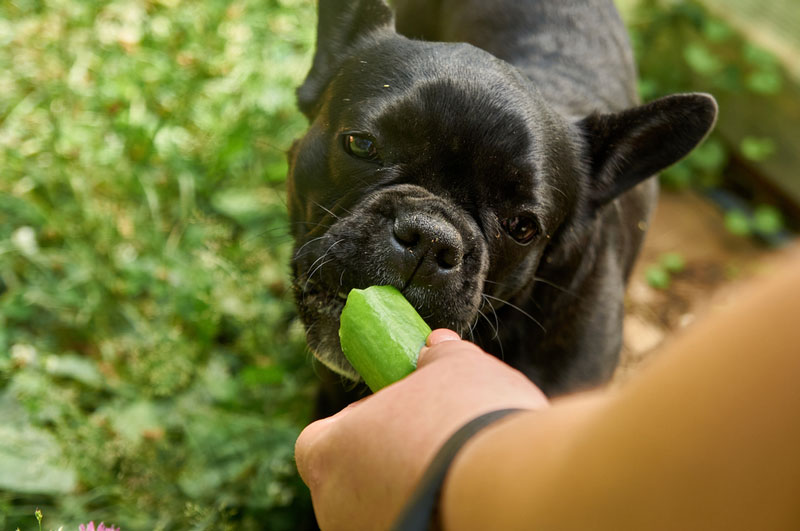
Welcome to our cozy corner for pets and their amazing adventures! Just like humans, our furry friends enjoy trying new foods. However, knowing what is safe for them can be a bit tricky. Today we are talking about one popular snack that just might make tails wag – cucumbers! These juicy veggies are not just refreshing for us, but can they also be safe for our dog buddies?
In case you’re wondering, the big question today is, can dogs eat cucumber skin? The good news is yes! Dogs can eat cucumber skin. It’s generally safe for dogs as long as it is washed thoroughly and given in moderation. The skin contains some beneficial nutrients, but just like with any food, there are a few things to keep in mind.
So, if you want to know more about the ins and outs of cucumber skin for dogs, stick around! We will cover everything from whether it is safe, to the benefits and risks involved, and even if there are any better alternatives out there. Let’s get started on this cucumber journey together!
You might also be interested in: Can Dogs Eat Coconut Milk?
Can Dogs Eat Cucumber Skin?
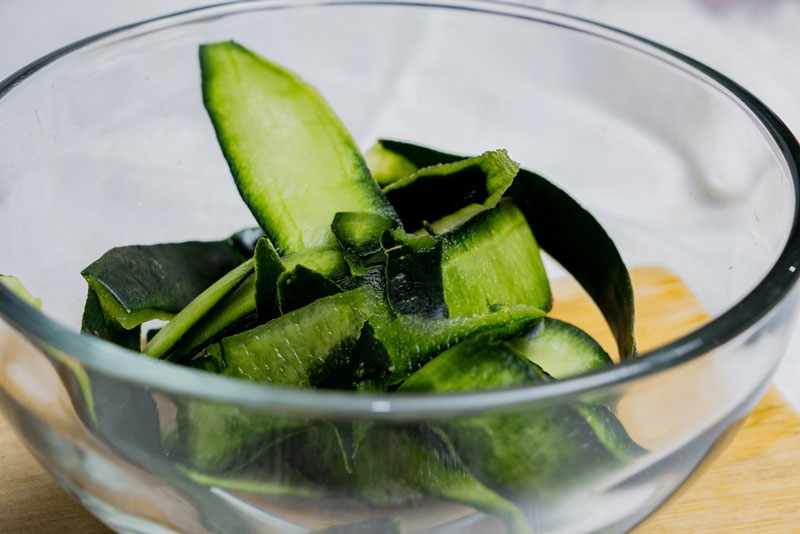
When it comes to cucumbers, many dog parents wonder if the skin is suitable for our furry companions. The answer is yes! Cucumber skin can be enjoyed by dogs. In moderation, it’s perfectly safe and can even add some crunch to their diet. Cucumbers are low in calories and provide hydration, which makes them a lovely treat for pups, especially during those hot summer days.
But, before you go tossing stray cucumber slices at your eager furry friend, it’s important to wash the cucumber thoroughly to remove any pesticides or dirt. We wouldn’t want to share anything unhealthy, right? After washing, slice them into bite-sized pieces to avoid choking hazards, as the skin can be tough.
Cucumber skin also holds some nutritional value! It contains vitamins such as Vitamin K, A, and C, as well as minerals like potassium and magnesium. These can contribute a bit of nutrition to your dog’s overall diet. However, it is also important to remember that not all dogs tolerate new foods well. Some might have sensitive stomachs or food allergies, so it’s best to introduce cucumber skin slowly and watch for any unusual reactions.
If you’re feeding your dog cucumber skin for the first time, start with a small piece and see how they react. If they seem to enjoy it and don’t have any digestive issues, you can continue to offer it as an occasional snack. However, remember that cucumbers, including the skin, should not replace their main meal or make up more than ten percent of their total caloric intake.
As we learn more about feeding our pups, let’s get into whether they should be munching on those cucumber skins, and if there are actually any benefits or risks. Did you know there’s a science to determining how much they can eat? Let’s break it down further!
How Much Cucumber Skin Can Dogs Eat?
Now that we know cucumber skin is safe for our dogs, how much can they actually eat without causing any trouble? It’s essential to remember that moderation is key, especially with any treat outside their regular dog food. A good rule of thumb is to keep treats, including cucumber skin, to around ten percent of their daily caloric intake.
In simpler terms, if you have a small dog that weighs around 10 pounds, they might benefit from just a few small slices of cucumber skin. Larger dogs might enjoy more, but it’s all about balance. If you’re using cucumber skin as a reward during training, keep those pieces small to avoid overwhelming them with too much at once. This not only helps with the dog’s digestion but also keeps them motivated and happy!
We should take care to watch for any signs of discomfort after they’ve had some cucumber skin. If your pup starts showing signs of gas, bloating, or any other digestive issue, it’s probably best to cut back on the cucumber skin and check with your vet. Every dog is different, and what works for one may not work for another.
The best way to ensure our pets are getting the right amounts is to pay close attention to their body language and reactions! While cucumber skin can be a great snacking option, it’s not a necessary part of their diet. Make sure that the main portion of their food is balanced and meets their nutritional needs. When offering cucumber skin, make sure it’s sliced thin enough for easy chewing; we wouldn’t want our pups to accidentally choke on tough pieces!
Overall, we can confidently say that in moderation, cucumber skin can be a fun crunch factor for our pets, but let’s always prioritize their health and unique dietary needs!
Benefits Of Cucumber Skin To Dogs
In our journey of exploring cucumbers and their skins, we can now discuss some of the perks that come with letting our furry friends enjoy this tasty treat. As we know, cucumber skin has vitamins, but there are several other benefits we might find interesting!
For starters, cucumbers are very hydrating! Did you know that they are made up of about 95 percent water? This means that cucumber skin can help keep our dogs hydrated, especially on hot days or after playtime. Hydration is incredibly important for our pups, just like it is for us. When our furry companions stay hydrated, it helps support their overall health and well-being.
Another exciting benefit of cucumber skin is that it is low in calories. This can make it a fantastic snack for those dogs who might need to lose or maintain weight. Can you imagine? Giving your dog a crunchy snack that can contribute to their weight management while satisfying their chewing instincts! It’s a win-win situation if we think about it.
Cucumber skin contains fiber too. Fiber plays an important role in our dogs’ digestive health by keeping their systems running smoothly. Just remember not to overload them—too much fiber can have the opposite effect and cause tummy troubles!
Have you heard about the antioxidants found in cucumbers? They help combat oxidative stress which can lead to chronic diseases over time. While our pups derive these benefits from cucumber skin, it’s another reason to include it moderately as a treat. Antioxidants are like little warriors fighting off bad stuff in the body; who wouldn’t want that for their pets?
The vitamins and minerals present in cucumber skin—like potassium and magnesium—also play a role in keeping our dogs fit and their hearts healthy. Isn’t it amazing how a little snack can pack such a nutritional punch? It truly makes our hearts happy to see our pets thriving and receiving some benefits from the healthy snacks we share with them.
Of course, while there are many positives, we must continue to approach cucumber skin as part of a balanced diet, ensuring our dogs are also getting a variety of other healthy foods in their bowls. But overall, including cucumber skin in moderation can be gratifying to watch our dogs enjoy as much as we do!
Dangers Of Cucumber Skin To Dogs
As loving pet parents, we have to talk about the not-so-fun stuff related to feeding our pets cucumber skin. While it may have several benefits, there are a few risks and dangers to be aware of before tossing those bemusing green peels to our furry friends.
To start with, we should always be aware that some dogs may have sensitive stomachs or pre-existing food allergies. Even though cucumber skin is generally safe, if your dog has never tried it before, the best practice is to introduce it slowly. Start with a tiny bite and see how they react! We wouldn’t want to risk causing them tummy troubles or reactions.
Another consideration involves the potential choking hazard; especially for small dogs. Cucumber skin can be tougher to chew than the flesh of the cucumber. Slicing them into smaller pieces is a must—aim for small bits that are easy for them to munch! Keeping an eye on your dog while they snack is a good strategy to prevent any unexpected situations from occurring.
If we look after our dogs’ dental health, we might want to avoid giving them too much cucumber skin. Though some chewing can help with dental hygiene by scraping away plaque, too many hard or fibrous bits might harm their gums and teeth. Moderation is crucial!
Finally, while cucumbers are low in calories, it’s still important not to let them take up too much room in your pup’s diet. If the cucumber skin replaces nutritious dog food, this can lead to deficiencies in their diet. We ought to prioritize catering to their complete dietary needs while treating them to healthy snacks.
So, while cucumber skins can be a fun addition to our dog’s treats, we should remain watchful and cautious. By doing so, we can ensure that our beloved pets can safely munch away without any drama. Remember to consult your vet if uncertain; they are the best at guiding us in making the right choices for our furry friends!
Substitute Of Cucumber Skin For Dogs
Perhaps after all this talk about cucumber skin, you’ve begun to wonder about some alternative treats for your furry family members. While cucumbers can be a fun snack, every dog has their own preferences and dietary needs. Luckily, there are plenty of other fruits and veggies out there that dogs love, and some could suit their tastes just as well!
For starters, let’s think about carrots! These crunchy and vibrant veggies are not only nutritious but incredibly low in calories. They can serve as a fantastic alternative to cucumber skin. Carrots contain a lot of fiber, and they also boast vitamins like A and K, which can support your dog’s vision and coat health. Plus, they can be fun to crunch—who doesn’t enjoy a good munch session?
If you’re on the healthy veggie train, consider green beans! Green beans are also low-calorie and packed with vitamins and minerals. They can be served whole (if your dog is large) or chopped up into smaller bites, making them convenient chewable snacks. Also, dogs often love the crunchiness!
For fruit lovers, how about apple slices? Just make sure to remove the seeds and core! Apples are a great source of vitamins A and C, along with being tasty. They provide a satisfying crunch which can be refreshing, much like cucumber. But again, moderation counts—apples contain fructose, so let’s not overdo it!
Another fruit to consider is watermelon. With its high water content, watermelon can be hydrating while providing some added nutrients. Remove the seeds and rind before giving your dog a bite of this summertime treat!
It’s also worth noting that sweet potatoes can make a great alternative as well. Roasted or cooked sweet potatoes can provide fiber and vitamins that help with digestion. Dogs tend to love these, and they are often easy to prepare!
Ultimately, variety is the spice of life, as we say. There are countless healthy snacks that can keep our dogs content and happy. Trying out different options not only helps keep their meals interesting, but also ensures they receive a range of nutrients for a healthy, balanced lifestyle. Always remember to check with your vet if you’re unsure about any new snacks to share with your beloved pets!
Can Dogs Eat Cucumber Skin? Frequently Asked Questions
How Can I Introduce Cucumber Skin To My Dog?
Start with small, bite-sized pieces and watch how your dog reacts. If they enjoy it and don’t exhibit any digestive issues, you can slowly give them more over time!
My Dog Didn’t Like Cucumber Skin. What Else Can I Offer Them?
If cucumber skin isn’t a hit, no worries! Try carrots, green beans, or sliced apples—dogs often enjoy these crunchy snacks just as much!
Can I Give My Dog Pickles?
Pickles are not recommended for dogs because they are often high in salt and could lead to digestive upset. Fresh cucumbers are a better choice!
Are There Any Foods I Should Avoid Giving To Dogs?
Yes! Some common foods to avoid include chocolate, grapes, onions, garlic, and anything high in sugar or salt. It’s always best to do your research.
How Should I Prepare Cucumbers For My Dog?
Wash the cucumber thoroughly, then slice it into small, manageable pieces that your dog can enjoy safely!
Final Thoughts
As we wrap up our adventure into the delightful world of cucumbers, we’ve learned a few fun things. Yes, dogs can eat cucumber skin in moderation! With its crunchy texture, low calories, and some nutritional benefits, it can be a refreshing treat for our furry friends. However, just as we have with every treat, we need to be mindful of how much they eat and watch for any potential digestive issues.
Alternatives are always an option like carrots, green beans, and watermelon, which provide a great chance to switch things up in our pups’ diets! Let’s continue to explore different treats and snacks for our four-legged companions, ensuring they stay happy and healthy.
If you’re interested in learning more about what different foods your pets can enjoy, feel free to check out more about foods our furry friends can eat to explore many exciting options for your cats! Remember, nourishing our pets is a delightful journey, and we’re always here to help with any questions or concerns. Keep experimenting with healthy snacks and let’s keep our pets wagging their tails enjoyed!