Hello fellow pet lovers! We all know the joy our furry friends bring into our lives. Their wagging tails, playful antics, and those irresistible puppy eyes make it hard to say no when they beg for a tasty treat. But while it is easy to want to share our food with our canine companions, it’s important to know which foods are safe for them.
One question we get from many dog owners is, “Can dogs eat parmesan cheese?” Let’s take a closer look at this cheesy topic! Cheese can be a delightful treat for dogs, but not all types are created equal. When it comes to parmesan cheese, the answer is a bit tricky. In moderation, many dogs can enjoy parmesan as an occasional snack. However, it is important to consider each dog’s unique dietary needs and potential health issues. We will explore all aspects of parmesan cheese for dogs, including benefits, risks, and how much is safe.
By the end of our discussion, you will be equipped with the knowledge you need to make an informed decision for your beloved furry friend! Now, don’t fade away just yet! Keep reading as we dive deep into the world of parmesan cheese and our furry pals. We’re about to discover all the ins and outs of this cheesy conundrum together!
You might also be interested in: Can Dogs Eat String Cheese?
Can Dogs Eat Parmesan Cheese?
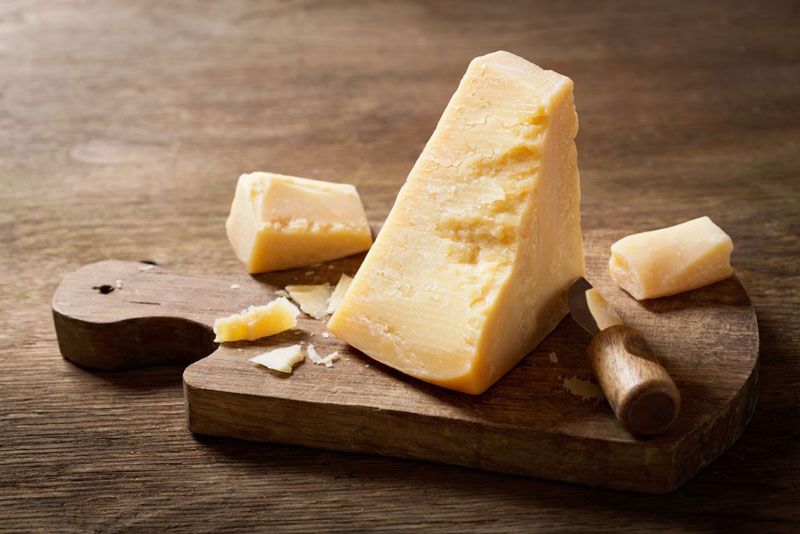
Parmesan cheese, originating from Italy, is a hard cheese that is known for its rich and nutty flavor. It is often used in a variety of dishes, from pasta to salads, and even as a sprinkle of delight on top of your favorite pizza. But now, let’s shift our focus to our furry companions and see if they can also enjoy this cheesy treat.
Most dogs can consume small amounts of parmesan cheese, but moderation is key. Like most dairy products, some dogs might experience digestive issues if they consume too much cheese. Dogs are generally lactose intolerant, meaning their tummies may not be able to properly digest lactose, the sugar found in milk and dairy products. So, while a nibble here and there of parmesan cheese might be alright, it’s best to avoid making it a regular part of their diet. Pay attention to your dog’s reaction the first time they try parmesan to ensure they do not have an adverse reaction.
Additionally, parmesan cheese is high in fat and salt. Feeding dogs excessive amounts of salt can lead to health problems such as high blood pressure. That said, as with other human foods, it is always good to consult with our veterinarian to determine how cheese fits into our dog’s diet. Every dog is different, with unique health needs and dietary restrictions, so what works for one pup may not necessarily be suitable for another.
How Much Parmesan Cheese Can Dogs Eat?
When it comes to treating our furry friends, portion control is essential. The quesaestion on many dog lovers’ minds is, just how much parmesan cheese can our dogs safely enjoy? Experts recommend keeping cheese as just an occasional treat rather than a regular part of our dog’s diet.
As a general guideline, a small piece of parmesan cheese, about the size of a pea or peanut, should be a safe amount to give our dogs. This amount can vary depending on the size and weight of our pups. A tiny dog, like a Chihuahua, would need less than a larger breed such as a Golden Retriever. If we want to play it safe, starting with a small amount is always best. We can then watch how our dog reacts to it before increasing the amount in future servings.
Another factor to consider is the purpose of the cheese. If we’re using parmesan cheese as a training treat, small pieces can work well. Using it as an occasional addition to their meals can also be a nice touch; plus, those sweet puppy eyes may just make it impossible to resist treating them! Just remember, everything in moderation!
It’s essential to factor in our dog’s complete daily nutrition when introducing any new foods into their diet. Too many high-calorie treats can lead to weight gain and other health issues over time. Always consider the percentage of calories our dog consumes from treats, and aim for a healthy balance. An ideal rule of thumb is that treats shouldn’t make up more than 10% of our dog’s daily calorie intake.
Monitoring our dog’s weight is a great way to ensure they are staying healthy. If we find they are packing on the pounds, scaling back on treats, including parmesan cheese, could be a lifesaver! We want our furry friends to lead long, happy, and healthy lives, and keeping their diet in check is an important part of that.
Benefits Of Parmesan Cheese To Dogs
Alright, as we dive deeper into the world of parmesan cheese for our pups, let’s focus on the potential benefits of feeding this delicious treat! Cheese can be more than just a tasty morsel; it can serve several purposes in our dog’s life.
For one, parmesan cheese can be a great training tool! The rich flavor and smell are sure to catch our dog’s attention. When we are trying to teach our dogs new tricks or commands, rewarding them with a little sprinkle of parmesan can be an effective motivator! It’s an excellent way to encourage positive reinforcement during training sessions.
Another notable benefit is that cheese, including parmesan, is high in protein and calcium. Protein is essential for our dogs because it helps support muscle development and maintain their energy levels. Calcium, on the other hand, is an important mineral that contributes to strong bones and teeth. While dogs primarily get their calcium from their dog food, a little cheese can provide an extra boost. Keep in mind, however, that there are other sources of calcium, such as broccoli, that can be even healthier while still being yummy!
Also, let’s not forget the joy it brings to our dogs when we treat them. Treating our furry companions with something special can strengthen our bond. They love that moment of excitement when they see we have something tasty to offer! Cheese can help alleviate boredom too. If we find ourselves in a long training session or need to keep our dogs entertained, a sprinkle of parmesan can spice things up! A well-timed treat can make all the difference.
Of course, each dog is unique, and for some pups, parmesan cheese may be a delightful snack, while for others, it might not be the best fit. Always stay in tune with our dog’s responses and preferences. The benefits of parmesan cheese don’t just come from the food itself; they also stem from the joy and love we share when we choose to treat our furry friends!
Dangers Of Parmesan Cheese To Dogs
As much as we want to spoil our dogs with delicious treats, it’s important to be aware of the risks that come with feeding them parmesan cheese. While it can sometimes be a safe option, there are potential dangers that we need to consider!
First and foremost, we should remember that dogs can be lactose intolerant. This condition means that they are unable to properly digest lactose, which can lead to tummy issues. Common symptoms of lactose intolerance can include gas, bloating, diarrhea, or vomiting. If we notice any unusual behavior after our pups chow down on some parmesan, it might be time to reevaluate our cheesy choices!
Another concern is the high amount of salt found in parmesan cheese. Salt is essential to an extent for our dogs, but too much can lead to problems like high blood pressure or even salt poisoning. Dogs can’t handle salt like we do, so it’s best to keep their salt intake minimal. If we consider that parmesan cheese is often used in small quantities, we should be very mindful of how often we are treating our pups with it.
There is also a risk of obesity, primarily if we indulge our dogs too often with high-fat snacks like parmesan. Overeating fatty treats can lead not only to weight gain but also to other health issues such as diabetes. We want our furry friends to live long and thriving lives, so ensuring we keep their diets balanced will go a long way in supporting that goal.
Lastly, we must always be cautious when feeding our dogs human foods, as they are often not formulated with dogs in mind. Some cheeses, for instance, contain added ingredients, spices, or flavorings that can be harmful to our dogs. Always check labels and, if in doubt, send a quick message to our veterinarian before sharing any new foods with our dogs.
Substitute Of Parmesan Cheese For Dogs
If we are hesitant to feed our dogs parmesan cheese or if our furry friends have shown any adverse reaction to it, worry not! There are plenty of delicious and safe alternatives to satisfy our dog’s cheesy cravings.
One popular alternative is low-fat dog cheese! Many brands offer cheeses specifically designed for dogs that are lower in fat and calories than regular cheese, making them a great substitute. You can usually find these in pet stores or online, and they come in various flavors that your pups may love!
Another option is to explore some pet-friendly options made from natural ingredients. Cottage cheese, for example, can be a great choice. It has less fat than parmesan and is relatively lower in salt. Just like with parmesan cheese, be mindful of portion sizes and watch out for any signs of lactose intolerance!
Furthermore, if you’re looking for non-dairy alternatives, there are several products made specifically for pups that mimic that cheesy flavor without the dairy. Brands have developed various treats that come in cheese flavors, which are crafted to be safe and healthy for our furry friends. We can easily find these in pet stores or online, catering to the many different taste preferences our pets might have.
Finally, let’s not forget to tap into the goodness of fruits and veggies. Sweet potatoes, carrot sticks, or even green beans can offer a delicious crunch and can be a fun way to spoil our pups! By rotating our dog’s treats regularly, we keep mealtime exciting and promote a balanced diet.
Can Dogs Eat Parmesan Cheese? Frequently Asked Questions
Is Parmesan Cheese Safe For Dogs?
In moderation, parmesan cheese can be safe for dogs. However, it is important to listen to their bodies and watch out for any signs of intolerance.
Can Dogs Eat Parmesan Cheese Every Day?
Feeding parmesan cheese every day is not recommended. Treats like cheese should only be given occasionally and in small amounts!
What Can I Give My Dog Instead Of Parmesan Cheese?
You might try low-fat cheeses specific for dogs, cottage cheese, or even fruits and veggies as tasty alternatives!
Can Cheese Cause Health Problems In Dogs?
Excessive cheese consumption can lead to obesity and digestive issues, particularly if your dog is lactose intolerant.
Should I Consult My Vet About Parmesan Cheese?
If you’re unsure or your dog has specific dietary needs, consulting your vet is always a good idea!
Final Thoughts
As pet lovers, we want the best for our furry companions. Can dogs eat parmesan cheese? Yes, in moderation, but there are numerous factors to consider. Monitoring our dogs’ health and being mindful of their reactions to new foods will keep them safe. Exploring other dog-friendly treats can help us mix things up and keep mealtime exciting.
So whether it’s a sprinkle of parmesan cheese for that extra flavor during training or making their mealtimes special with healthy snacks like veggies, let’s embrace our journey toward happy, healthy lives together with our furry friends! Don’t forget to explore more topics at Huston Veterinary for more pet food FAQs and tips that will keep our pets wagging those tails with happiness!