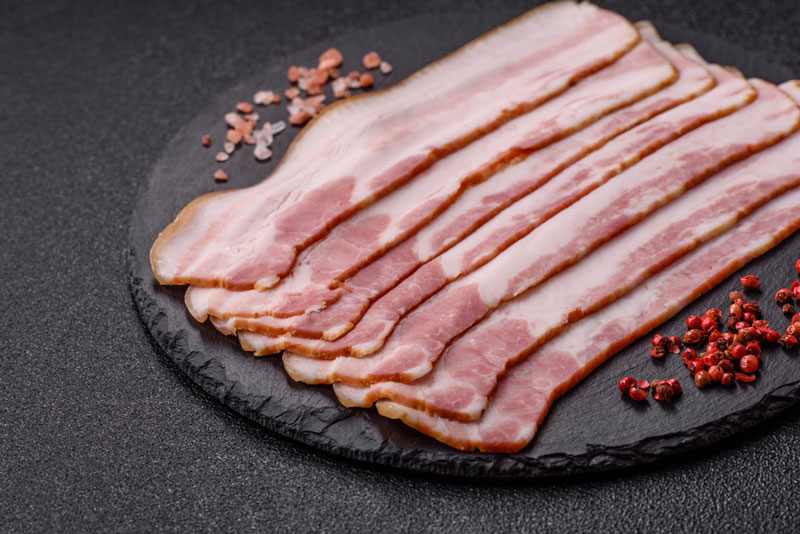
Have you ever looked at your furry friend and thought about sharing a delicious snack? It is hard to resist those puppy-dog eyes when you are munching on something tasty! One popular question that frequently pops up is: Can dogs eat raw bacon? It’s a hot topic among pet owners and for good reason. After all, bacon has that mouth-watering aroma that can make anyone’s taste buds tingle, including our furry pals!
Now, let’s dive into the juicy details. The question of whether dogs can eat raw bacon doesn’t have a straightforward answer. Yes, technically, dogs can eat bacon. However, raw bacon is a whole different ball game. Raw meats come with potential risks that we simply can’t ignore. It might seem like a treat worth sharing, but we need to be cautious about what we feed our companions. So sit tight, because we are going to explore this topic in-depth.
As we go along this meaty journey, we will uncover not just the dos and don’ts of feeding dogs bacon, but also the benefits and risks involved. So, if you love your pup and want to keep them wagging their tail happily, keep reading to learn more about bacon’s place in their diet!
You might also be interested in: Can Dogs Eat Raw Pork?
Can Dogs Eat Raw Bacon?

When we ponder over the question of whether our dogs can chow down on raw bacon, it is essential to understand the nature of raw meats. Dogs are technically omnivores, which means they can eat a variety of foods, including meats, grains, and vegetables. That being said, much like with humans, not all types of food are equally safe for our four-legged friends. Raw bacon, in particular, comes with its own set of complications.
Raw bacon is made from pork, which can potentially carry parasites like Trichinella spiralis. These little critters, if ingested, can lead to a nasty infection called trichinosis in both dogs and humans. Symptoms of this infection can include vomiting, diarrhea, and abdominal pain, which no pet parent would like their furry one to endure. While the chances of a dog getting trichinosis from raw bacon are slim, it is not worth the gamble when there are so many safe alternatives for treats!
Some people might argue that dogs’ digestive systems are designed to handle raw meat, and while they might have some truth in that, we can’t overlook the fact that many dog food formulas today provide balanced nutrition that includes all the necessary vitamins and minerals. Dogs are primarily carnivorous, but we have domesticated them over thousands of years, and their systems have adapted. It’s a whole new world when it comes to our sweet pups, so we must be mindful of the foods we provide.
Moreover, let’s chat about the high-fat content in bacon. Even cooked, bacon is famous for its grease and richness. Feeding our canine pals food that is high in fat can easily lead to obesity, pancreatitis, or other health conditions. So, we have to prioritize our dog’s health rather than indulging in raw bacon that may seem appealing at first glance. Since bacon is typically high in sodium, it doesn’t do any favors for their health either.
How Much Raw Bacon Can Dogs Eat?
As we move into the when and how much area, it is important to keep in mind that moderation is key. If you absolutely must share a little bacon with your pooch, cooked bacon is a safer option because cooking the bacon helps kill off any harmful bacteria. In terms of portion size, a small piece occasionally is much safer than making it a regular part of their diet. A good rule of thumb with treats is that they should not exceed more than 10% of your dog’s daily caloric intake.
But, if we are sticking with the idea of raw bacon, which is something we recommend against, a tiny morsel may be okay, but it still should be treated as a risk. A few tiny bites to satisfy their curiosity might not cause immediate harm, but it does not contribute positively to a well-balanced diet. It is much like giving in to a child’s occasional candy craving—you can do it once in a while, but you wouldn’t want them filling up on sweets!
When thinking about feeding raw bacon, consider the size of your dog as well. Larger dogs might handle a little more exposure better than smaller breed babies. Yet, small dogs can be more susceptible to health complications. So, we really can’t apply a one-size-fits-all stamp on this. To keep our pup’s tummy happy and healthy, we should opt for leaner, safer protein options suited for their specific needs.
Most importantly, don’t just assume that bacon is fine for dogs. Check with your vet before introducing any new treat into your pup’s lifestyle. They can provide tailored advice based on your dog’s health, age, and dietary preferences.
But let’s face it, there are tons of alternatives that could make our dogs wag their tails in glee! Treats like carrots, apple slices (without the seeds), or sweet potatoes can be a tasty and nutritious substitute that helps keep their health in check without the risks of raw bacon.
Benefits Of Raw Bacon To Dogs
When we think about bacon—and don’t worry, I can almost hear the sizzling too—it’s easy to focus on the indulgence and deliciousness it represents. But let’s explore the benefits some folks argue for when it comes to bacon, raw or cooked. Firstly, bacon can be a protein source, which is essential for our canine buddies. Protein plays a significant role in their overall health, helping to build muscles, repair tissues, and create hormones. However, not all protein sources are created equal, and this is where the pivot happens! The danger of raw bacon in relation to protein quality can outweigh the benefits.
One could reason that the mouth-watering smell of bacon is a sure-fire way to get our dogs to perk up and pay attention—who doesn’t love the aroma of bacon sizzling in the kitchen? This is where the idea that bacon might be a helpful training treat comes into play! It could motivate our dogs during training sessions. However, this doesn’t mean it has to be raw bacon. There are other, safer alternatives, like cooked chicken or turkey that are equally enticing without the risks involved.
Another potential slim upside to consuming small amounts of cooked bacon is its high fat content, which can provide a dense energy source. If you have a high-energy dog, a bit of fat can help sustain their energy levels in some cases. Nonetheless, do remember that too much fat can lead to future health problems, so moderation would be the key here as well.
Despite the potential allure of bacon, I truly believe the benefits from healthier options far outweigh the temporary happiness it can bring. When we weigh the scales, proteins such as fish, chicken, or even legumes provide the same, if not better, nutritional value without the risks of parasites or high-fat content that could adversely affect our loving pets.
Finally, when it comes to sharing treats, our best bet is to go for choices that have both the tastiness factor and health benefits. Healthy snacks like green beans or carrots can provide nutrients while being low in calories. Keeping our pups happy is crucial, but doing it safely should be the name of the game!
Dangers Of Bacon To Dogs
Now it’s time to talk about the not-so-pleasant part of bacon—especially raw bacon! We can’t simply ignore the potential health risks associated with adding raw bacon to our dogs’ diets. One of the most significant concerns is the risk of bacterial infections. As we mentioned earlier, raw bacon can be host to harmful parasites. These little devils can create both short and long-term health issues. Symptoms ranging from nausea and diarrhea to severe vomiting can quickly derail your dog’s health. Watching our furry friends suffer is never easy, and it’s something we want to avoid at all costs!
On top of that, raw bacon carries the danger of affecting digestion. Dogs, just like us, might have sensitivities or allergies to certain foods, including pork products. A sudden change, particularly introducing a controversial snack like raw bacon, could result in an upset stomach or other digestive troubles. This is not only uncomfortable for our beloved pups but can also lead to more severe consequences in some cases.
Let’s not forget the infamous potential for pancreatitis. This is a condition characterized by inflammation of the pancreas due to high-fat foods. For dogs, a fatty meal like bacon, raw or cooked, can trigger this painful condition. It’s a cause for concern, especially in breeds more susceptible to pancreatitis. The signs can include vomiting, diarrhea, lethargy, and severe abdominal pain, leaving us as worried pet parents feeling uneasy about our furry loved ones.
Excessive salt intake is another lurking danger. Bacon is generally loaded with sodium, which poses another risk for dogs. Too much sodium can lead to serious issues including dehydration and increased blood pressure. And while we might think a little treat here and there is harmless, it is always best to err on the side of caution.
Considering all these hidden dangers, we can completely understand why opting for raw bacon isn’t worth the risk. Keeping our pets safe should always take precedence over short-lived treat satisfaction so let’s make smarter decisions together!
Substitute Of Bacon For Dogs
If bacon isn’t on the menu for our beloved pooches, we are left with the delightful task of exploring different healthy alternatives! Thankfully, there are countless dog-friendly options out there that not only satisfy their taste buds but also contribute positively to their health. Snacks like cooked chicken, turkey, or even fish can be just as enticing without the concerns that raw bacon brings. It is all about making gourmet dog treats at home—what’s better than that?
Vegetables are also an awesome option! Crunchy carrots, green beans, or sweet potato bites are perfect choices that combine nutrition and tastiness for our pets. Many pups just go wild for these snacks! It is almost like offering them a crunchy treasure. And who doesn’t like to munch on a delicious veggie snack while they are being showered with love and treats!
For those times when we want to whip up a homemade treat, it is super easy! We can take some lean ground meat, like turkey or chicken, mix it with some oats and veggies, roll it into little balls, and bake these wonderful goodies. They are not only healthier but can also be a fun activity to do together with your furry friend. This way, we can avoid all the unnecessary risks while still showing affection through tasty treats.
If your dog isn’t fond of veggies, you could also explore options like peanut butter—without added sugar or xylitol, of course! As a doggo-approved delight, it can be a great addition to homemade treats. Mixing it into other dog-friendly recipes can create unique and yummy snacks that will have your pup wagging their tail in excitement! Just a bit of creativity can help us turn snack time into a flavorful, delightful experience!
So, if you find yourself pondering how to keep the joy in treat time while keeping our furry pals safe, remember that there are plenty of healthier substitutes out there! With a little effort, we can make snack time exciting, healthy, and full of love!
Can Dogs Eat Raw Bacon? Frequently Asked Questions
What Are Safer Alternatives To Raw Bacon For My Dog?
There are lots of safe options for spoiling our furry friends! Cooked chicken or turkey, some fish, veggies like carrots and green beans, or fruits like apples (without seeds) and blueberries are excellent choices.
How Can I Tell My Dog Has A Food Sensitivity?
Signs include stomach issues like vomiting or diarrhea, flaking skin, or unusual behavior after consuming food. If you see these signs, it is best to consult your veterinarian!
Is It Ever Okay To Give My Dog Bacon?
Cooked bacon can be given on rare occasions as a treat, but it should certainly be done in moderation! If in doubt, ask your vet.
What Types Of Meats Are Great For Dogs?
Lean meats such as turkey, chicken, and fish are excellent protein sources for dogs. They provide necessary nutrients without the risks involved with fatty or raw options.
How Can I Introduce New Foods To My Dog’s Diet?
Introducing new foods should always be gradual. Start by mixing a small amount with their regular food and gradually increase the portion over time while observing their reaction.
Final Thoughts
In conclusion, while bacon may tempt us and our furry pals, raw bacon is not the best idea for our beloved dogs. The potential risks and health issues it brings far outweigh any momentary joy that it might provide. Instead, we can get creative with alternative treats that are not just safe, but also nutritious and delicious! Let’s prioritize our pup’s health by opting for safer protein sources, vibrant veggies, and colorful fruits. Our furry friends deserve it!
So, let’s make every treat time a celebration of health and happiness together! If you would like to read more about what foods are best for dogs, check out some other topics like can dogs eat turkey bacon? or see what foods our furry friends can eat. There’s a whole world of pet nutrition out there waiting to be explored!