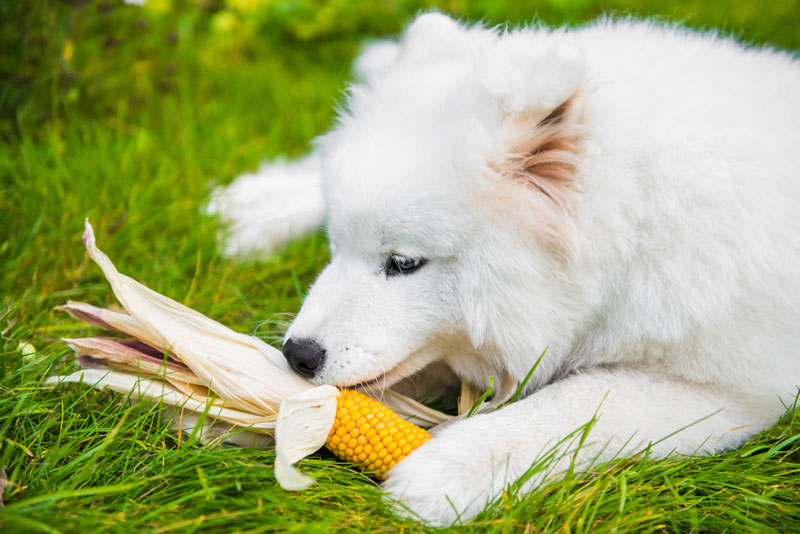
Hey there fellow pet lovers! Have you ever looked at your furry friend and thought, “Hmm, I wonder what human foods they can enjoy?” Well, you’re not alone. Lots of us are curious about what we can share with our four-legged companions. One common food we might think about sharing is corn. You might have found yourself munching on a delicious corn on the cob while your dog gives you those adorable puppy eyes, begging for a taste. So, should we be sharing this delicious summer treat with our best friends? In this article, we will answer the burning question:
Can dogs eat corn on the cob? After researching and reflecting on this subject I discovered some key things to consider about dogs and corn on the cob. In short, the answer is no, dogs should not eat corn on the cob in its entirety. While corn itself is safe for dogs to eat, the cob presents some risks. Let’s break it down…
There are so many lovely things to learn about what our dogs can and cannot eat. You’ll want to keep reading because we’ll discuss the benefits of corn, safe portions, potential dangers of corn cobs, and even some fun substitutes that will have your pup wagging their tail! Trust me, by the end of this article, you’ll be an expert in the corn-selling, dog-flavored ice cream cone world.
You might also be interested in: Can Dogs Eat Eggshells?
Can Dogs Eat Corn On The Cob?
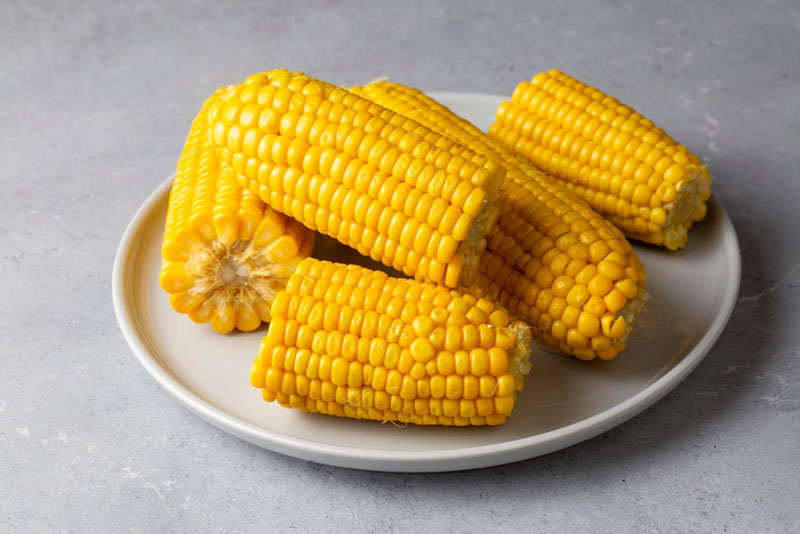
Corn is a popular ingredient in many dog foods. It’s a source of energy and has some lovely nutritional benefits. When we think about our dogs, we want to make sure they’re getting the best food possible. But corn on the cob? Oh boy, that’s a different story. While small amounts of corn itself are safe, the cob is a whole other ballgame.
The issue with corn on the cob is that it can pose a choking hazard. Imagine your dog having this humongous piece of wood-like corn stuck in their throat—yikes! Plus, if they chew on it or swallow pieces of the cob, it can cause intestinal blockages. This is particularly concerning for smaller dogs, who may have more trouble digesting larger objects. We certainly wouldn’t want to scramble up our dog’s tummy just to satisfy a craving for corn!
How Much Corn On The Cob Can Dogs Eat?
If we do decide to give our furry friends a taste of corn, moderation is key! Corn should not exceed 10% of their daily dietary intake. Keeping that in mind, you can share some fresh corn kernels with your dog rather than giving them a whole ear of corn. Rule of thumb? Stay away from the cob!
Considering their size also matters greatly. A Great Dane can handle a bit more than a lovable Chihuahua, right? So let’s make sure we adapt their snacks to their size. If you feel like treating your dog to a corn-inspired meal, just gently cook some corn, remove the kernels, and reward them with just a couple! Nothing beats seeing those happy eyes light up when they’re enjoying what appears to be a scrumptious treat!
Benefits Of Corn On The Cob To Dogs
As mentioned earlier, corn can be a decent source of vitamins and minerals for our dogs. It is full of carbs to give them energy while containing fiber that can help with digestion. Corn also contains several vitamins like vitamin A, which is fantastic for their eyes, skin, and immune system. It’s good for life and makes the world a little brighter too!
The fiber helps keep our dog’s digestive system running smoothly, ensuring they don’t get “backed up.” If your dog struggles with these pesky tummy issues, corn might even give them the right boost, leading to healthier and happier days. Just remember, corn should be a side dish, not the main course!
Dangers Of Corn On The Cob To Dogs
As we have discussed, corn on the cob poses significant risks for dogs. If they bite into a cob, it could splinter. Splintered pieces could then do damage to their mouth, throat, or anywhere along their digestive tract. Think of it this way; we love crunchy food like chips, but sometimes they can break into sharp little pieces. The cob can do the same and then transform into a potential issue for our dogs!
Choking hazards are also a serious concern when it comes to corn on the cob. Dogs tend to gulp down their food without even chewing, and can easily choke on a corn cob. That’s something no pet owner wants to witness! So, let’s avoid that anxiety and stick to the safe side when treating our furry companions.
Substitute Of Corn On The Cob For Dogs
If your dog has been eyeing your corn on the cob, let’s satisfy their curiosity with a safer substitute! Fresh corn kernels, peas, or other vegetables like carrots or green beans are perfect options. Not only do these provide beneficial nutrients; they won’t leave your dog with the risk of choking on a cob!
Also, it’s about utilizing tasty and healthy vegetables to keep mealtime exciting. Think about it: dogs love the compliments from humans while tasting something new! What about mixing some corn kernels with their regular kibble or adding it as a topping? Mix it up by creating corn mush by cooking it, or even make some corn snacks at home tailored just for your pup.
Can Dogs Eat Corn On The Cob? Frequently Asked Questions
Can Dogs Eat Corn At All?
Yes, dogs can eat corn in moderation! Fresh corn, properly prepared, is generally safe.
What Can I Give My Dog Instead Of Corn?
Vegetables like peas, carrots, and green beans are great substitutes!
Is Corn Good For Dogs?
Corn contains some vitamins and fiber but always feed it in moderation.
What To Do If My Dog Eats Corn On The Cob?
If your dog has eaten corn on the cob, contact a veterinarian immediately for advice.
What Other Human Foods Can My Dog Eat?
There are plenty of human foods dogs can enjoy, like plain cooked chicken, pumpkin, and sweet potatoes. Check out more about human foods for dogs!
Final Thoughts
In conclusion, while corn itself can be a safe treat for our furry friends, corn on the cob is not worth the risk. Instead, let’s stick to serving them fresh corn without the cob, and perhaps explore some delicious substitutes that will keep their wagging tails happy. After all, we love treating our pets like family! Let’s ensure they enjoy their snacks while staying safe and healthy.
If you want to learn more about what cats can eat or how to add to your pup’s diet, feel free to explore our many articles! For example, you can learn about what can cats eat corn on the cob or even check the selection of safe foods like pumpkin for dogs. Keep spreading the love!