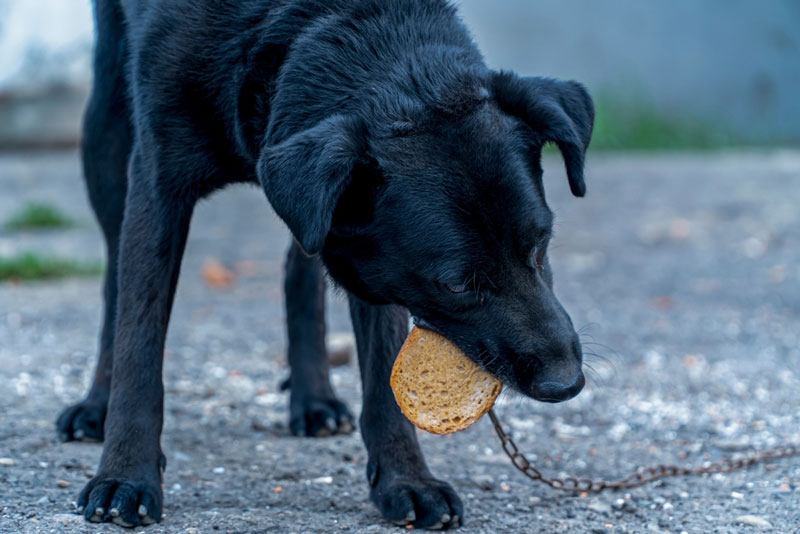
Are you wondering what foods are safe for our furry friends? As dog owners, we all love sharing yummy treats with our pets, and sometimes we might wonder if our food is okay for them too! Dogs are known for their curious palate, so it’s important to know which human delights can be shared and which ones should stay off their menu.
One question that pops up often is: can dogs eat sourdough bread? The answer is yes, dogs can eat sourdough bread, but there are some factors we should keep in mind. Sourdough is made through a fermentation process, which gives it a unique taste and texture. While sourdough is not toxic to dogs, it’s packed with carbohydrates and calories. Remember, moderation is key!
I hope you will keep reading as we dig into the health implications, benefits, and potential risks of letting our four-legged friends munch on sourdough bread.
You might also be interested in: Can Dogs Eat Gingerbread?
Can Dogs Eat Sourdough Bread?
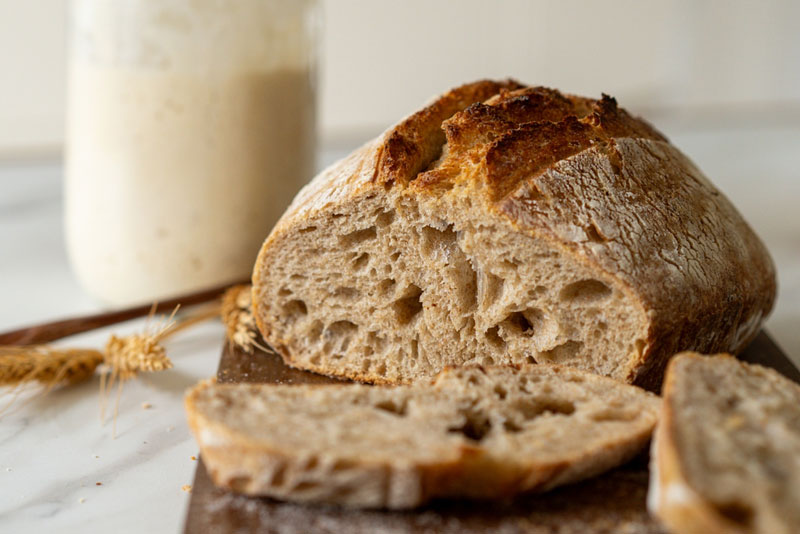
When it comes to our canine companions, sharing food can be quite tempting. Sourdough bread is often a favorite for its unique tangy flavor, and many of us can’t resist sharing a little piece with our furry pals. But is it safe for dogs? Yes, it’s generally safe for dogs to eat sourdough bread in moderation. However, we should be mindful of a few key things before giving our pups a bite.
First off, sourdough bread contains yeast, which is what gives it that delicious flavor and fluffy texture. While a small amount is usually not harmful, large quantities of yeast can expand in a dog’s stomach and may lead to serious problems. So, if we choose to share this tasty bread, let’s stick to just a small piece, less than a slice as a treat.
It’s also vital to remember that sourdough bread is made primarily of carbohydrates, which can lead to weight gain if consumed in excess. Obesity can have many negative effects on our dogs, including health issues such as diabetes and joint problems. If our dog is overweight, it may be best to skip the sourdough altogether or find some healthier alternatives.
Now, let’s not forget about any additional ingredients that might be present in the sourdough, such as garlic or onions. These can be harmful to dogs and should always be avoided. Always double-check the ingredient list before sharing anything with our dogs.
We also want to consider our dog’s individual dietary needs. Some dogs may have allergies or sensitivities that make wheat or gluten a no-go. If we notice any adverse reactions after giving our dog sourdough bread (like stomach upset or itching), it’s best to refrain from giving this tasty treat again.
In summary, dogs can enjoy a small bite of sourdough bread safely, but let’s remember to practice moderation and keep an eye on any side effects. After all, we want our furry friends to be happy and healthy while enjoying some tasty food!
How Much Sourdough Bread Can Dogs Eat?
As loving dog guardians, we always want to treat our pups, but knowing how much is safe is crucial. So let’s explore how much sourdough bread we can share with our dogs.
For starters, let’s keep the portions small. A good rule of thumb is to limit it to a small piece, about one inch, especially if it’s their first time trying sourdough. If it’s a larger loaf, a very thin slice is perfect. When we want to give treats, it helps to remember that treats should only make up about 10% of our dog’s daily caloric intake. The rest should come from their regular, balanced dog food. So, if our furry friend has a 500-calorie diet a day, we want to keep our sourdough treat under 50 calories.
While sourdough can be a fun and flavorful treat for our canine companions, flowing into overindulgence can result in some unwanted side effects. We want to monitor our dogs for any signs of discomfort or gastrointestinal distress after introducing new foods. If they seem fine after a small portion, this is a good indicator that it may be okay to offer it again on occasion.
Additionally, it’s useful to keep in mind the health of our dog. Older dogs or those with pre-existing health issues such as pancreatitis should avoid rich foods like bread altogether since it could exacerbate their condition. If we notice any unexpected behavior or symptoms, consult a vet and discuss dietary options tailored for our furry family member.
Please remember that every dog is unique, and factors such as breed, age, and activity level can influence their food choices. Not all dogs will react the same, and it’s essential to find what works best for our individual canines while keeping their health in check. Regular vet check-ups can help us identify the ideal treats and portion sizes for our four-legged friends to avoid any surprises.
Benefits Of Sourdough Bread To Dogs
Now that we’ve made sure our furry friends can indulge in sourdough bread without facing any serious consequences, let’s look at the benefits!
One of the standout perks of sourdough bread is that it uses a fermentation process that breaks down the gluten, making it more digestible. It’s a helpful feature for dogs having mild gluten sensitivities. However, let’s not mistake it for completely gluten-free bread since the gluten levels can vary based on the type of flour used.
Moreover, sourdough contains higher levels of some essential nutrients too! Sourdough bread is made from whole grain flour, contributing beneficial elements like fiber, protein, and vitamins. Fiber is known to support digestive health, which can be essential for our pets. Just like with us humans, a balanced diet for our dogs includes fiber to help move things along in their digestive system.
Dogs rely on protein for growth and development. While sourdough is not a complete source of protein, the small amounts present can still contribute to their overall daily intake. Along with the carbohydrates provided by the bread, it can serve as an occasional treat to give a change in their routine!
Finally, an indirect benefit we shouldn’t overlook is that sharing sourdough is a great way to bond with our dogs! Our pups love being included in mealtime, and sharing something enjoyable makes them feel loved and cared for.
Of course, we should always remember that moderation is vital. Sourdough can make an occasional snack but should never replace a balanced diet rich in appropriate nutrients. A healthy dog is a happy dog, and that’s our top priority!
Dangers Of Sourdough To Dogs
While sharing sourdough bread with our furry friends can come with perks, we need to consider some potential risks and dangers as well.
As we mentioned earlier, the yeast found in sourdough can cause concerns. Large amounts of yeast can expand in our dog’s stomach and lead to bloat or gastric dilatation volvulus (GDV), a life-threatening condition where the stomach twists. This can happen even with a small quantity of raw dough, so making sure the bread is fully baked is key!
Another risk is the additional ingredients that might be included in sourdough, such as garlic or onion. These ingredients can be toxic to dogs and should always be avoided. Before sharing any human food, we should take a good look at the ingredient list to ensure that no sneaky harmful items made their way into the bread.
As we already discussed, some dogs may have allergies or sensitivities to grain, gluten, or wheat. If our dogs have a known intolerance, we must steer clear of sourdough bread. If they consume any and show signs of vomiting, diarrhea, or any other gastrointestinal issues, reaching out to our veterinarian is essential for advice tailored to their needs.
Additionally, the calories in sourdough bread can contribute to weight gain, especially in less active dogs. Obesity can lead to a slew of health problems down the line, including diabetes and joint issues. It’s vital for us to remain diligent regarding portion sizes and to ensure the bread we share doesn’t become a regular snack.
Lastly, when we’re trying out new foods with our dogs, we should remember that dogs’ stomachs can be sensitive. If we are introducing sourdough bread for the first time, monitoring their reaction is important, and starting with a small piece is always best.
In conclusion, as much as we want to treat our furry friends to delicious goodies, we must be cautious of these possible risks. Understanding both sides will help keep our pups safe while still allowing them to enjoy special treats on occasion!
Substitute Of Sourdough For Dogs
If we’re unsure about giving our pups sourdough bread, or if we want to look for alternatives, there are plenty of substitutes to consider! Making sure our dogs are getting healthy treats is important, and there are many options.
Whole grains can be a great alternative to sourdough. Brown rice or oats provide excellent numbers of nutrients. Dogs can enjoy cooked brown rice as a treat or a side supplement to their meals. Oatmeal is also a fantastic option as it’s packed with fiber and can be served in moderation as well.
Sweet potatoes have become increasingly popular as a healthy alternative. They are full of vitamins and minerals, making them a nutritious choice for dogs. Cooked sweet potatoes can be mashed or cubed and served as a healthy snack. The sweetness makes it a favorite among pups, and we can’t go wrong with that!
Carrots and green beans also stand out as healthy choices for our four-legged friends. They are crunchy, low-calorie snacks packed with vitamins and minerals. Dogs often enjoy the crunch and texture, and they can serve as low-calorie treats for weight management.
Peanut butter can be an absolute delight when shared in moderation! It is delicious, and many dogs love it. However, always check that it doesn’t contain xylitol, which is toxic to dogs.
Lastly, if we want a treat that’s a bit softer, apples or bananas can serve as fantastic options. They can be sliced or mashed; just be sure to remove the seeds and core. These fruits provide vitamins and are tasty as low-calorie snacks!
The key is to ensure that whatever substitute we’re choosing is healthy, low-calorie, and safe for our individual pets. Every dog has distinct dietary needs, so being mindful is paramount. When in doubt, consulting with a veterinarian can help guide us to the best forceful foods we can safely share with our fluffy friends!
Can Dogs Eat Sourdough Bread? Frequently Asked Questions
Is Sourdough Bread Good For Dogs?
Many dogs can enjoy small portions of sourdough bread occasionally. However, we must always prioritize moderation and be aware of the individual dietary needs of our pets.
What Should I Do If My Dog Eats Too Much Sourdough Bread?
If our dog consumes an excessive amount of sourdough, we should monitor them for any signs of distress like bloating or discomfort. If we notice anything unusual, contacting a veterinarian is the best course of action.
Can All Dogs Eat Sourdough Bread?
Not all dogs can eat sourdough bread. Some may have allergies or grain sensitivities, so it’s crucial to know our dog’s dietary history before sharing any human food.
What Are Some Healthier Treats For My Dog?
Whole grains, sweet potatoes, carrots, or fruits like apples and bananas can all be healthier alternatives to sourdough. We can offer these snacks in moderation for a healthier option.
Is Gluten Bad For Dogs?
While many dogs can consume gluten without any issues, others may be sensitive to it. We must be aware of our dog’s diet, and if they show any negative responses to foods with gluten, we should address that with a veterinarian.
Final Thoughts
Sharing our food with our furry companions can be quite enjoyable, and knowing that sourdough can be given safely is a win! But it’s important to practice moderation and remain vigilant about what goes into our dog’s diet. Remember to always consider portion sizes and any dietary restrictions or allergies our pets may have.
As we learn more and help our furry friends explore tasty, healthy options, let’s stay informed on what we can share safely. We can continue to bond with our pups while making mindful, healthy choices for them. Happy treating!
If you enjoyed this article and want to discover more on what our furry friends can eat, check out these links: foods our furry friends can eat, can dogs eat banana bread?, and can cats eat sourdough bread?.