Welcome, fellow pet lovers! Today, we are hopping into a topic that might leave some dog owners scratching their heads. Can our beloved furry friends enjoy a little dab of mustard, or should we keep it far away from their excited, wagging tails? It’s a fun and curious question that many of us ponder while munching on hot dogs at a summer picnic or grilling up some burgers for the family. After all, every occasion is a chance we want our dogs to join in and have a treat. But hold your horses, or should I say, hold your puppies!
Mustard, the zesty condiment that adds flavor to so many of our meals, is often regarded as a no-no in the world of pet snacks. But, why is that? Are there specific ingredients or effects that we need to be aware of when thinking about adding this condiment to our pooch’s diet? Spoiler alert: dogs and mustard don’t quite mix well! In fact, while a tiny lick might not send them running for the hills, it can be a risky decision.
As we break this down, we will explore numerous aspects related to dogs and mustard. By keeping reading, we aim to uncover all the juicy information so we can be the best pet owners possible and make educated choices for our furry family members. Let’s dive in!
You might also be interested in: Can Dogs Eat Ketchup?
Can Dogs Eat Mustard?

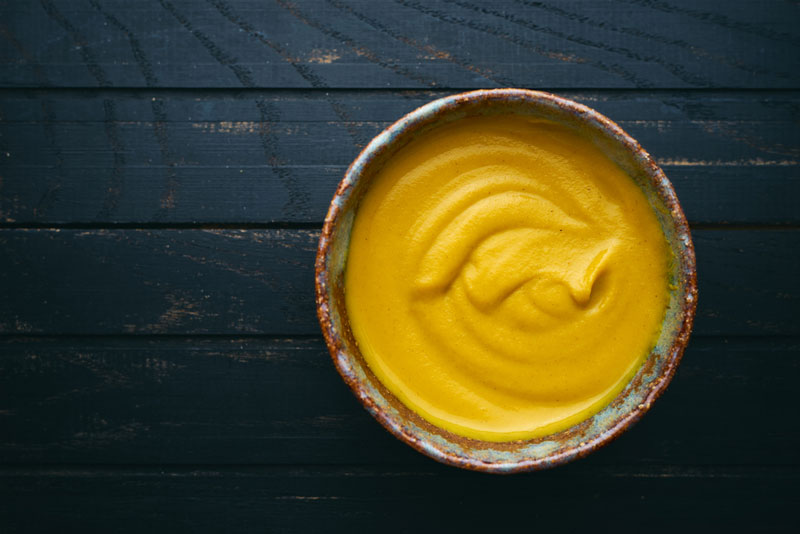
Dogs and mustard are not the best match in the condiment world. While it’s not outright toxic, giving mustard to our furry friends isn’t recommended. Mustard is made from mustard seeds, vinegar, and spices, which makes it a tasty addition to our meals but not so appetizing for our dogs. Their digestive systems are quite different from ours, and while a tiny amount might not harm them, consuming larger amounts can lead to an upset stomach and even more severe health issues.
Let’s talk about those mustard seeds. While mustard seeds themselves are not toxic to dogs, they can cause gastrointestinal upset if ingested in large quantities. Dogs don’t metabolize certain substances the same way humans do. Their bodies may react differently to various ingredients that are harmless to us.
The vinegar used in mustard is also a potential troublemaker. Even though vinegar, in moderation, is sometimes added to dog diets (for its potential health benefits), it can still be irritating. We’re talking about a substance that can lead to digestive distress or, in extreme cases, harm them if given consistently over time. The spices mixed in with mustard, like garlic and onion powder, can worsen this situation. These ingredients are toxic to dogs and can lead to various health issues, including organ damage.
So, to answer the main question: can dogs eat mustard? It’s best to steer clear of this tangy condiment. Why take the risk of making our furry companions uncomfortable or sick? Instead, let’s focus on feeding them ingredients that are tail-waggingly safe and healthy!
How Much Mustard Can Dogs Eat?
So, we’ve established that it’s better to avoid giving our dogs mustard. But, if your pup happens to sneak a lick or two when you’re not looking, how much mustard is too much?
It’s crucial to remember that moderation is key when it comes to any food we give our dogs, even safe ones! But mustard is not one of those delightful foods that we can just factor into our calculations. After all, mustard is not a dog food group!
If our dogs consume a minuscule amount, like a lick off a finger, they might not face any serious repercussions. However, consuming any actual dollop of mustard, or a burger slathered with it, could lead to problems. Since mustard has multiple ingredients that could upset their stomachs, we need to keep a close eye on our doggo’s behavior.
If your pup shows signs of discomfort—like vomiting, diarrhea, or lethargy—after ingesting mustard, it’s wise to call your veterinarian just to be safe. The general rule of thumb is to avoid mustard altogether, and if your pup accidentally gets some, monitor them for any unusual signs. If they appear to be fine, that’s a relief!
In any case, let’s make sure we don’t establish new habits of giving them mustard, pepper, garlic, and all those spicy flavors! Instead, we can look for dog-friendly options to spice up their diet. Our canine companions thrive on diets made with real meat, vegetables, and safe grains that enhance their health, energy, and happiness.
Always remember that our pets benefit greatly from nutritious choices and personal care! If we want to treat them—consider gifting them with dog-friendly snacks like carrot sticks, apple slices, or specially formulated dog treats. These not only keep them safe but are sure to produce plenty of tail wags!
Benefits Of Mustard To Dogs
While we’ve dug deep into the risks of dogs eating mustard, let’s flip the pancake and discuss safe and beneficial alternatives! Although mustard has no benefits for our furry companions, plenty of other foods can surely be excellent for them. Instead of worrying about mustard, we should embrace healthier snacks and meals that can genuinely nourish our pups!
When thinking about dog treats, it’s important to highlight the nutritional benefits of ingredients that we know are safe. Dogs thrive on a balanced diet that includes proteins, healthy fats, and carbohydrates. These macronutrients are crucial for their energy levels and overall well-being. For example, sweet potatoes are packed with vitamins A and C and are gentle on sensitive stomachs. They can be cooked or raw, making them an excellent snack option!
Vegetables like green beans, carrots, and zucchinis are surprisingly tasty too! They provide low-calorie options while offering essential vitamins. Even better, they can be served raw or cooked. Dogs tend to love the crunch of these delights, and we often find them wagging their tails in excitement when they receive these treats!
Additionally, some fruits can be pawsitively scrumptious for dogs. Blueberries, strawberries, and apples (without seeds) are low in calories and bring a burst of flavor! They are loaded with antioxidants, vitamins, and fiber. Our furry friends enjoy munching on these treats while receiving health benefits along the way.
Another benefit of incorporating safe foods into our dogs’ diets is that they help with their mental stimulation! Dogs love sniffing, exploring textures, and chewing. All these activities contribute to their happiness and overall mental health. We can create fun games, where we hide treats around the home or yard for our dogs to sniff out. Toys filled with their favorite fruits or veggies can work wonders in entertaining our pups and keeping them stimulated.
Thus, while mustard provides zero benefits to them, focusing on nutritious, flavorful options is an excellent way to maintain their health and happiness. So let’s bid farewell to mustard and other risky items! Instead, we can offer balanced meals and choose pup-approved treats that make their tails wag all day long.
Dangers Of Mustard To Dogs
Understanding the risks of dogs eating mustard is vital for any dog owner. As we explore this topic further, we need to acknowledge that mustard can pose health threats, even if it seems like a harmless condiment to us.
The first significant risk stems from the ingredients used in mustard. We’ve already mentioned mustard seeds, vinegar, and spices, but let’s break these down a bit more. Mustard seeds can be irritating to a dog’s digestive tract if ingested in larger quantities.
Moving to vinegar, while it may have some health benefits for humans, it can upset our canine friends’ stomachs. Many dogs have sensitive gastrointestinal systems, which means what may be digestible to us could create a world of discomfort for them. Vinegar in mustard can potentially lead to vomiting or diarrhea.
Then we have spices. Some mustards include garlic and onion powder, which are outright toxic to dogs! These two ingredients contain compounds that can damage dogs’ red blood cells and cause a condition known as hemolytic anemia. This could cause serious and life-threatening situations, as a dog may experience weakness, lethargy, or respiratory issues. Even small amounts over time can lead to hidden danger we wouldn’t want our furry friends faced with; always keep mustard out of their reach!
If your dog accidentally eats mustard, it’s crucial to watch for signs of distress. Looking for unusual behavior like excessive drooling, difficulty walking, or lethargy is vital. If any of these signs arise, a vet visit is in order right away. Moreover, to avoid any accident, we should practice responsible pet ownership by ensuring that condiments like mustard are securely stored away and out of reach.
In summary, thinking about the potential risks of mustard for dogs underlines the importance of being discriminative about what we offer our pets. There’s such a vast world of healthy food options that bring joy and nourishment into our dogs’ lives. Together, we can foster their health and happiness, steering clear of dangerous choices!
Substitute Of Mustard For Dogs
Now that we’ve established that mustard is not the best thing to share with our dogs, let’s explore some delightful alternatives! Rather than reaching for that mustard bottle next time we serve up snacks, we can whip out a few dog-friendly options that will have our furry friends licking their chops.
When considering a “sauce” or “spread” for our pups, we could focus on all-natural peanut butter. Most dogs absolutely adore peanut butter, and it can be fantastic when we offer it in moderation! Peanut butter provides healthy fats, protein, and vitamins. It can be a perfect treat shared during training sessions or just for fun! Just ensure it contains no artificial sweeteners, especially xylitol, as they are toxic to dogs.
Another enjoyable substitute is plain yogurt. A spoonful of unsweetened yogurt can enhance their taste buds. Yogurt is good for their digestive health as it contains probiotics. Just remember to stick to plain varieties, as many flavored yogurts contain sugar and additives that could be harmful to our dogs.
Additionally, for hydration on summer days, we can create frozen fruit pops made of pureed fruits such as watermelon! A scoop of this summertime snack can not only keep them cool but can enhance their water intake too! Not to mention, this option has no harmful effects like mustard.
Raw vegetables can be exciting alternatives as well. Carrots, cucumbers, and celery sticks can be cut into small pieces and provided for them to munch on. They are not only low in calories but also dirt cheap to obtain while embracing the essence of freshness.
Instead of mustard, think about preparing tasty dog-friendly meals. A homemade chicken broth mixed with nutritious veggies can be a delightful meal option that fills the tummy and brings joy to their hearts.
As we focus on substituting mustard with these safe alternatives, we empower ourselves to keep our furry companions healthy and happy! We can rest assured that we’re providing them with flavors they love while also keeping them out of harm’s way.
Can Dogs Eat Mustard? Frequently Asked Questions
What Should I Do If My Dog Eats Mustard?
If your dog accidentally consumes mustard, remain calm. First, observe them for any signs of discomfort, like vomiting or diarrhea. If you notice any unusual behavior, contact your veterinarian for guidance to ensure they stay safe.
Are There Any Safe Mustards For Dogs?
Currently, there are no mustard varieties deemed safe for dogs. Even “safe” ingredients can still irritate their digestive systems, so it’s best to keep mustard out of their reach entirely.
What Are Some Safe Treats I Can Give My Dog Instead Of Mustard?
Healthy treat options include carrot sticks, frozen banana slices, plain yogurt, or peanut butter with no added sugar. These will be better choices that keep them safe and happy!
Can Mustard Affect My Dog’s Long-Term Health?
While a small amount of mustard may not cause immediate harm, regular consumption can lead to gastrointestinal issues and exposure to toxic ingredients. It’s essential to avoid offering mustard to protect your dog’s long-term health.
What Other Foods Should I Avoid Feeding My Dog?
Besides mustard, you should avoid feeding your dog foods like chocolate, grapes, onions, garlic, and any products containing xylitol. Always research food before sharing it with your furry friend!
Final Thoughts
In the end, we’ve uncovered the reasons why mustard isn’t the best choice for our dogs. It’s essential to keep our furry pals safe and sound by avoiding potentially harmful foods like mustard. Instead, let’s embrace safe and healthy alternatives that can brighten their day! Whether indulging them with fruits, veggies, or yummy peanut butter, we see how much joy these items can bring to our pets.
As dog owners, we have the responsibility to ensure that the foods we share with our beloved companions are safe, healthy, and enjoyable. By doing so, we contribute to their overall well-being and happiness. So, let’s keep those mustard bottles capped and choose alternatives that have tails wagging all around us!
If you found this information helpful and want to learn more about what our furry friends can or cannot eat, check out our articles on foods our furry friends can eat or can dogs eat nutella?. Let’s continue this journey toward keeping our pets happy and healthy!