As caring pet lovers and the occasional silly dog parents, we often find ourselves wondering what tasty treats we can share with our furry friends. While dogs are known for loving treats such as bacon and peanut butter, we can’t help but explore other options, like sunflower seeds! They’re crunchy, tasty, and seem to make for a delightful snack. But can our beloved pooches actually indulge in these little seeds? The short answer is yes, dogs can eat sunflower seeds, but there’s a bit more to consider.
Sunflower seeds are packed with healthy fats, vitamins, and minerals, making them a popular snack for humans. While dogs can enjoy them too, we need to take a few precautions to ensure our furry pals stay safe. It’s important to remember that moderation is key! These seeds should never replace your dog’s balanced diet and are better as an occasional treat. After all, no one wants a pup with a tummy ache!
So, as we think about the joy of sharing sunflower seeds with our dogs, let’s explore this topic further! In this article, we will dive into the details of how sunflower seeds can benefit our furry friends, some potential risks and dangers, and even some alternative snacks that they might enjoy. So, grab your pup, get comfy, and let’s sniff around the world of sunflower seeds!
You might also be interested in: Can Dogs Eat Poppy Seeds?
Can Dogs Eat Sunflower Seeds?

Let’s give a hearty tail wag to the question—can dogs eat sunflower seeds? The answer is, yes, indeed! Sunflower seeds are not toxic to dogs when prepared properly and fed in moderation. These seeds are actually rich in nutrients such as vitamin E, B vitamins, and healthy fats. This sounds like a paw-sitive option for an occasional snack, right?
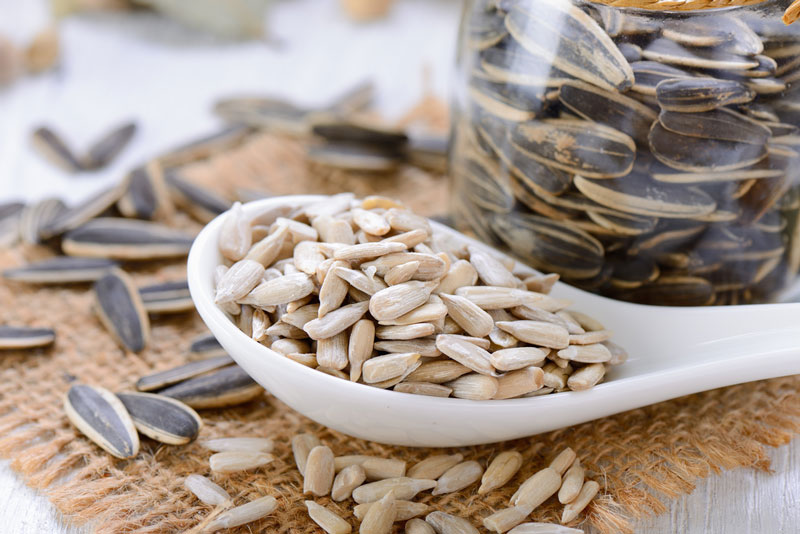
However, while sunflower seeds can offer some health benefits for dogs, we need to keep them safe. Preparing them correctly is crucial. If you’re thinking of sharing sunflower seeds with your dog, they should be unsalted, unseasoned, and preferably shelled. The shells can be a choking hazard and hard to digest, which is why a little bit of seed prep goes a long way in ensuring your furry friend enjoys a healthy treat!
It’s always a good idea to introduce any new food slowly. That means when offering sunflower seeds for the first time, start with just one or two. This way, we can watch for any adverse reactions in case our pups don’t take too kindly to them. After all, some dogs have sensitive tummies, and we don’t want to be cleaning up any messes!
Adding sunflower seeds to our dog’s diet can also serve as a great conversation starter at the dog park. Can you imagine? “Hey, did you know my dog loves sunflower seeds?” You’ll be the talk of the tail-wagging town in no time! Remember, moderation is vital, and sunflower seeds should only make up a small part of your dog’s overall diet.
How Much Sunflower Seeds Can Dogs Eat?
Now that we know the answer to the question, “Can dogs eat sunflower seeds?” it’s time to tackle how much is just the right amount! Moderation is key when introducing sunflower seeds into your pup’s diet, but what does moderation look like? We want our furry friends to enjoy their new treat without going overboard.
When it comes to sunflower seeds, a small handful per week is a good starting point for most dogs. This translates to about one to two seeds per ten pounds of your dog’s weight. Keep in mind that each dog is different, so their tolerance might vary. It’s best to pay close attention to how your dog reacts post-snack time. Did they snarf it down like a champ? Or are they looking at you with that confused “What is this?” face? Monitoring their behavior is vital.
If your dog is on the smaller side, you might want to stick to just one sunflower seed as they can be quite a heavy snack relative to their size. Conversely, larger breeds can usually handle more without any issue. It’s important to note that sunflower seeds are calorie-dense, so overindulging could lead to weight gain in our furry friends.
Another critical aspect of sunflower seed consumption is frequency! We recommend not feeding them every day, as it can throw off their nutritional balance. Instead, offer sunflower seeds as an occasional treat, and pair them with other safe snacks to keep things diverse in their diet.
In summary, when it comes to giving our four-legged buddies sunflower seeds, remember to start small, keep an eye on their response, and enjoy the joyful faces that follow yummy treats. Just like a wise old dog once said, “Treats are meant to be savored, not devoured!”
Benefits Of Sunflower Seeds To Dogs
There are some impressive benefits that come with feeding our dogs sunflower seeds! Not only do these tiny nuggets pack a nutritious punch, but they can also be an enjoyable treat for our furry friends. So, let’s wag our tails to some of the perks of sunflower seeds for dogs!
One of the biggest benefits is the healthy fats found in sunflower seeds. These fats provide energy and help maintain healthy skin and coats. We all want our dogs to strut proudly with shiny, beautiful fur, and that’s where sunflower seeds come into play. Just like a proper makeover helps us feel good, sunflower seeds can help take our dogs’ appearances to the next level.
Another vital nutrient in these seeds is vitamin E. This powerful antioxidant plays a crucial role in supporting the immune system and promoting heart health. Anything we can do to support our dog’s immune system is worth exploring, right? To think these little seeds can help boost immunity while providing delightful crunch! So next time you’re munching on sunflower seeds, share a few with your pup as a gesture of love (and get them those beneficial nutrients).
Additionally, sunflower seeds contain essential minerals like magnesium, zinc, and selenium. These minerals can aid in various bodily functions, including bone health, immune support, and even reducing inflammation. Imagine us sharing our snacks while reaping those health benefits—we can be a dynamic duo on the path to wellness!
Finally, and perhaps most importantly, giving our dogs sunflower seeds can provide a change of pace in their snacking routine. Variety is the spice of life, and we want our furry companions to be excited about their treats. Who wouldn’t prefer sunflower seeds to the same old dog biscuits day in and day out? Just like we appreciate trying new snacks, our four-legged friends crave new experiences too!
Let’s celebrate these benefits by getting creative! We might even consider putting some sunflower seeds in homemade dog treats or sprinkle a few on their regular dog food. Just remember to keep things balanced and always ensure safety first. With love, creativity, and healthy treats, our pups will thank us with wagging tails and happy barks!
Dangers Of Sunflower Seeds To Dogs
As much as we want to highlight the benefits of sunflower seeds for dogs, we must also be aware of the potential risks and dangers that may arise. Like everything in life, moderation and awareness go hand in hand to ensure the health and safety of our beloved furry companions.
Firstly, one major concern is the shell itself. The shells of sunflower seeds can be a significant choking hazard and are often not easily digestible for dogs, leading to gastrointestinal blockage. That’s the last thing we want to deal with, right? If we’re going to share sunflower seeds, it’s absolutely necessary to remove the shells before offering them to our pups. Think of it like giving a child a snack—safety first!
Another risk associated with sunflower seeds is the sodium factor. Many sunflower seed products found in grocery stores come salted or flavored, which is not suitable for dogs. Excess sodium can lead to toxicity in canines, resulting in symptoms like vomiting, diarrhea, and increased thirst. Let’s stick with plain sunflower seeds to keep our furry buddies safe while they indulge in their crunchy treat!
Weight gain is another area of concern. As we mentioned earlier, sunflower seeds are calorically dense. If we feed our dogs too many, it could lead to unwanted weight gain, leading to obesity-related issues like joint problems and diabetes. We naturally want our dogs to be fit and healthy, and keeping an eye on their overall calorie intake is essential.
Finally, it’s important to remember that not all dogs will react positively to this new snack. Some dogs may have allergies to seeds, and introducing any new food can sometimes cause digestive upset. It’s always wise to keep observation during the first try, and if your dog exhibits any adverse reactions, be sure to consult your veterinarian. After all, our adorable companions rely on us to keep them safe and healthy!
So while sunflower seeds can be a fun occasional treat, it is essential to be aware of these risks and take measures to ensure their safety. If we approach this snack with caution, we can share a crunchy moment of delight, keeping our furry friends safe and happy!
Substitute Of Sunflower Seeds For Dogs
Sparking new treat ideas is always an adventure! If we’re hesitant about sharing sunflower seeds with our dogs or simply want to keep things fresh, there are plenty of substitutes that provide similar health benefits without any hassles. It’ll be a tasty journey as we explore some of the wonderful alternatives to sunflower seeds.
One excellent option is pumpkin seeds! Just like sunflower seeds, pumpkin seeds are packed with nutrients like healthy fats, magnesium, and antioxidants. They can aid in liver health and even help in eliminating intestinal parasites. When offering pumpkin seeds to our dogs, it’s important to give them raw and shelled for safe snacking. We can sprinkle them into homemade dog meals or give them as a treat, much like we would with sunflower seeds.
Another safe and nutritious alternative is flaxseeds. These tiny seeds are an omega-3 power punch, perfect for promoting healthy skin and reducing inflammation. Flaxseeds can be incorporated into your dog’s meals in either ground or oil form, offering a new flair to their daily routine. And let’s be real, who can resist that? Dogs love variety just as much as we do!
But let’s not stop there! If we’re in the mood to explore, we can also turn to food options like blueberries or carrots. These fruits and veggies both make fantastic low-calorie treats that are safe for dogs. Blueberries are packed with vitamins and antioxidants, while carrots offer a satisfying crunch that most pups adore. Not only will our dogs enjoy the goodness in these snacks, but they’ll also appreciate the change from their usual boring dog treats.
Lastly, we should mention the good old standby: plain unsweetened yogurt! A dollop of yogurt can be a refreshing and healthy alternative for our dogs. It provides protein, calcium, and the probiotic goodness to foster gut health. Just be sure to check the label and choose a yogurt that doesn’t contain added sugar or artificial sweeteners like xylitol, which are harmful to dogs.
With functional substitutes at our fingertips, we can keep our furry friends excited for mealtime with new flavors and textures. Variety in treats enhances their experience and shows just how much we care about their well-being. After all, our pets deserve to munch happily on snacks fit for a king (or queen)!
Can Dogs Eat Sunflower Seeds? Frequently Asked Questions
Can Dogs Eat Sunflower Seed Butter?
Absolutely! Sunflower seed butter is a safe alternative to peanut butter and can be a delightful treat for our pups. Just like with sunflower seeds, moderation is key. Choose a brand without added sugars or salt, and watch for any allergies.
Are There Any Seeds Dogs Cannot Eat?
Yes, there are seeds that are harmful to dogs. For instance, avocado pits and seeds can be toxic to dogs. Additionally, always steer clear of fruit pits, as they can be choking hazards.
Can Dogs Eat Sunflower Seeds Daily?
Feeding your dog sunflower seeds daily is not recommended. Treats like sunflower seeds should be offered in moderation as an occasional snack rather than a daily part of their diet.
What Other Healthy Snacks Can I Give My Dog?
There are a plethora of healthy snacks to share with your dog! Some great options include baby carrots, apples (without seeds), blueberries, and green beans. Just remember to introduce new snacks gradually!
If My Dog Doesn’t Like Sunflower Seeds, Should I Worry?
Not at all! Every dog has different tastes, just like us. If your dog doesn’t enjoy sunflower seeds, there are many other treats to explore. It’s essential to find what’s best for your boo!
Final Thoughts
As we wrap up our exploration of can dogs eat sunflower seeds, we hope we’ve armed you with the knowledge to make informed choices for your furry friends. Sunflower seeds can make a fun, nutritious snack when served safely and in moderation. Always remember to monitor your dog’s reactions and adjust quantities accordingly.
Open your heart to new treat ideas, balance your pup’s diet, and treat them with love, creativity, and fun! If you’re looking for additional information on various foods your pets might enjoy, check out other engaging topics such as foods our furry friends can eat or can cat eat sunflower seed to explore your options!