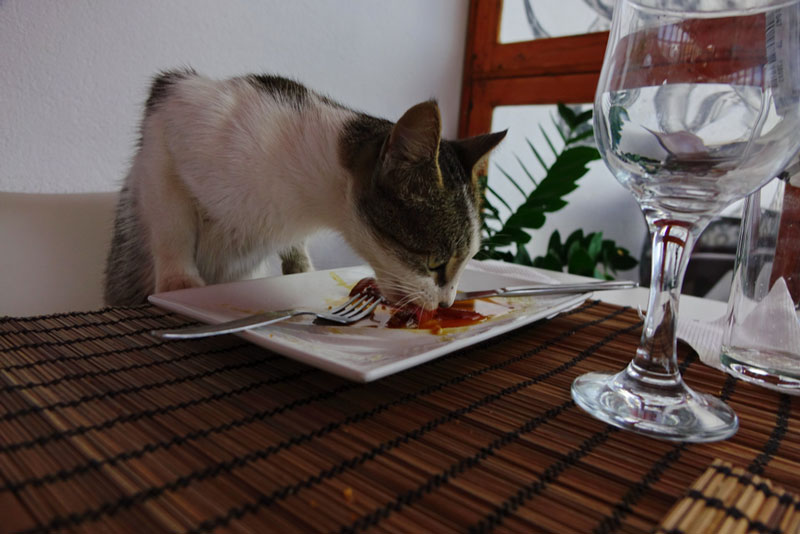
Have you ever wondered what table food can cats eat? If you have, you are not alone! Many cat owners find themselves sharing a meal with their furry friends and wonder if their kitty can join in on the feast. The good news is that there are specific table foods that are safe and healthy for cats. While it may be tempting to let them munch on whatever we are having, we need to be careful and informed about what is suitable for their tummies.
Understanding what table food is safe for our cats can help us create a closer bond with our feline companions. It allows us to include them in mealtime, which can be fun and beneficial for their nutrition. Cats are obligate carnivores, which means their diet mainly consists of meat, so we need to focus on protein-rich foods that are aligned with their dietary needs. Don’t get too excited, though! Not all human food is safe for cats, but we will explore some that are.
Excited to learn more? Keep reading to discover the best table foods that our furry furballs can enjoy. From nutritious meats to yummy veggies, we have plenty to cover and plenty of delicious options to consider for our special friends!
You might also be interested in: What Can Cats Eat From The Fridge?
What Table Food Can Cats Eat?

Choosing the correct table food for our cats can feel like a riddle sometimes! They can eat some foods we love, but not everything on our plates is suitable for them. However, there are delicious options that can safely be on their menu. These are often meat-based, as many cats thrive on protein and require it in their diets. Here is a list of foods your cat can confidently chow down on:
1. Cooked Chicken: Cats love chicken! Just make sure it’s boneless and skinless. Cooked chicken that is plain, without any sauces or seasonings is a fantastic treat.
2. Cooked Turkey: Like chicken, turkey can make a delightful snack. It is lean and filling. Just remove any skin, seasoning or bones before sharing it with your cat.
3. Cooked Fish: Cats are known for loving fish. Cooked salmon or tuna can be a special treat. Avoid canned fish that is packed in oil or added flavorings, as that can be bad for them.
4. Cooked Eggs: Scrambled or boiled eggs without any added ingredients can be a real winner. They are packed with protein, and many cats enjoy the taste.
5. Cooked Carrots: If you’re looking to introduce vegetables, cooked carrots can be a safe option. Just make sure they are soft and well-cooked so that your cat can chew them easily.
6. Plain Rice: If your cat is feeling a little under the weather, some plain cooked rice can help soothe their tummy while providing some calories.
7. Plain Yogurt: A small amount of plain yogurt can be a creamy treat and is often well-received. Just ensure it has no added sugars or flavorings, as these can upset their stomach.
Giving our cats a taste of table food can make them feel included at mealtimes. Remember to introduce new foods slowly and keep an eye on how they react. If any tummy troubles ensue, it’s best to consult our veterinarian!
How Much Table Food Can Cats Eat?
So, you know what table foods are safe for our feline pals, but what’s the right amount? It’s good to remember that while sharing some of our meals can be fun, moderation is key. Cats have smaller stomachs than us and don’t require a buffet’s worth of food on their plates!
When offering table food, keep the serving size small—around a teaspoon to a tablespoon, depending on their size and how much they enjoyed it. It’s essential to treat these foods as snacks or supplements to their regular cat food, not as full meals. Cats should primarily eat high-quality cat food that provides balanced nutrition tailored for their needs.
For instance, if you’re sharing cooked chicken, you might give your cat one bite or two in addition to their kibble. If they seem to love it, that’s fantastic! But we must be cautious and ensure they are not overindulging. Too much of a good thing can lead to tummy aches, and we don’t want to deal with a grumpy cat!
Also, let’s think about frequency. We can share table food once in a while but stay consistent with their regular cat diet to maintain a balanced approach to their nutrition. Also, introduce only one new food at a time. This way, if our cat has a reaction, we’ll know exactly what caused it.
A variable to think about is our cat’s health status. If your kitty has specific medical conditions or allergies, we must be extra careful, so it’s always a wise idea to consult with a vet before making any changes to their diet. As a loving pet family, we want to ensure our furry friends stay happy, healthy, and energetic!
Benefits Of Table Food To Cats
This is exciting! Sharing table food with our cats can have several benefits that can enhance their well-being. Here are some major benefits we can experience when we include safe table foods in our cats’ diets:
1. Increased Bonding: Sharing food can create stronger relationships. When we sit down at the dinner table and include our cats, it allows them to feel like a part of the family, and they trust we are looking out for their best interests.
2. Variety in Diet: Cats often need a varied diet for optimal health. By incorporating approved table foods, we can introduce variety and ensure they experience new tastes and textures, keeping mealtime exciting!
3. Improved Nutrition: Quality table food can complement a cat’s usual diet. For example, high-protein foods like cooked chicken or turkey can boost their protein intake and help maintain healthy muscles.
4. Encouragement to Eat: Some cats can be picky eaters or might lose their appetite for various reasons. Adding table foods they enjoy can entice them to eat and helps ensure they get adequate nutrition.
5. Learning Opportunity: Sharing food can be a great opportunity to educate ourselves about what foods cats can and cannot eat safely. By keeping ourselves informed, we stay better equipped to provide our pets with a healthy diet.
Dangers Of Feeding Table Food To Cats
Even with fun snacks, we need to be cautious. Not every table food is safe, and some can even be dangerous for our whiskered companions. Here are some risks we should be aware of:
Several foods can cause gastrointestinal upset in cats, and we definitely want to avoid those. For example, onions, garlic, and chocolate are harmful to kitties and should never be shared! Similarly, grapes and raisins are toxic, so keep them out of reach. Sadly, many cats won’t know to avoid these foods, so we must think ahead!
Fatty foods can also lead to health issues. Fried foods, rich sauces, or any food with added barbecue or spices can damage our cat’s digestive system and lead to pancreatitis. A cat’s body isn’t designed to handle those kinds of fats like we humans can.
Some cats can have allergies or intolerances to certain proteins or ingredients. Always be watchful for signs such as vomiting, diarrhea, or changes in behavior after introducing new food. Should we observe any unusual reactions, it’s best to reach out to a veterinarian for guidance.
Overindulgence is another risk! While those little eyes staring up at us may be hard to resist, giving in to our cats’ demands too often can lead to obesity and related health issues. We must keep them active and healthy by maintaining a regular meal schedule and allowing several of their favorite table food treats occasionally.
Substitute Of Table Food For Cats
If you want to share food with our furry pals but are concerned about what’s safe, don’t worry! There are many healthy substitutes we can provide that are similar in taste without the risk of harm.
1. Cat Treats: There are tons of commercial cat treats developed for nutrition. Look for ones that are high in protein and low in carbs for a sensible alternative to table food.
2. Freeze-Dried Meat: These treats retain most of the nutrients while offering a taste cats love. They are easier to store and can be a great topping for cat food, creating extra flavor.
3. Veggie Treats: If your cat enjoys veggies, consider pet-safe options. Like baby carrots or small amounts of peas can help in adding healthy variety to their diet.
4. Homemade Cat Food: If you want to control what’s going into your kitty’s bowl, consider preparing homemade recipes specifically formulated for cats that include safe proteins and healthy ingredients.
5. Commercial Wet Food: Wet cat food often comes with delicious flavors that mimic table food. It can provide hydration and keep your kitty interested in their meals.
What Table Food can cats eat? Frequently Asked Questions
Can Cats Eat Raw Meat?
Raw meat can pose a risk of bacterial infection. Generally, it’s safer to cook meat thoroughly before sharing it with our cats.
Are Fruits Safe For Cats?
Some fruits like melon or berries are safe in small amounts, but avoid citrus fruits as they can be harmful.
What Should I Do If My Cat Eats Something Harmful?
If our cat ingests a toxic food, remain calm, and immediately contact a veterinarian for the best course of action.
Can Kittens Eat Table Food?
Kittens have different nutritional needs. While some baby foods are okay, it’s vital to stick mainly to their formulated cat food.
How Often Can I Give Table Food To My Cat?
Offering table food as an occasional treat is nice. Modest amounts drink a little fun into their mealtime without compromising their diet.
Final Thoughts
Feeding our cats makes us feel closer to them, and knowing the correct table food options leads to a healthier and happier lifestyle for our furry friends! Understanding what our cats can safely eat while avoiding harmful foods gives us the knowledge needed to keep our pets content.
Let’s maintain a joyful and fulfilling bond with our cats by ensuring their diets are well-rounded. Remember, it is always best to consult a veterinarian when changing our furry companion’s diet to be sure we are making the best choices! There are endless options to explore, so let’s continue this adventure together and ensure our cats are fed with love, safety, and joy!
For more information and tips about pets, check out our blog. You might find answers to those burning questions like what food can cats not eat? Happy reading!