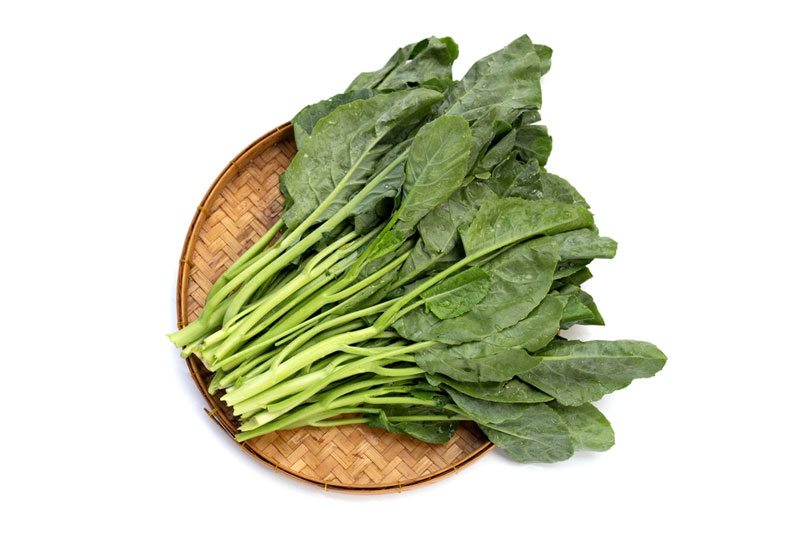
Can cats eat collard greens? This is a question many pet owners might wonder about. The answer is yes, cats can eat collard greens, but it’s important to know how much and how often. Collard greens are packed with nutrients, but let’s not forget that cats are obligate carnivores. This means their main need comes from meat, so greens should only be a treat or occasional snack.
When it comes to our feline friends, we always want to make sure we are providing the best for them. While collard greens can be safe, we have to keep the context in mind. For example, not all human foods are safe or suitable for cats, so understanding their dietary needs is essential. Cats have a unique metabolism that requires specific nutrients that are mainly found in meat.
So, if you’re curious to discover more about cats and their relationship with collard greens, as well as how to safely incorporate it into their diet, keep reading! We will explore everything from the benefits to the risks and even some alternative vegetables that might be more suitable for your furry companion.
You might also be interested in: Can Cats Eat Celery Leaves?
Can Cats Eat Collard Greens?

Collard greens are often seen in healthy diets for humans because of their numerous health benefits. However, when it comes to our feline friends, things get a little different. While it’s safe to give cats collard greens in moderation, these leafy greens aren’t a staple within their diet. Cats are naturally hunters and prefer high-protein diets that come from meat. Collard greens are rich in vitamins A, C, and K, plus fiber, but these benefits are better suited for herbivorous creatures.
You might be wondering why a cat would go for veggies in the first place. Sometimes, cats like to nibble on greens because of instinct or just plain curiosity. Occasionally, they may eat greens to aid in digestion. While collard greens aren’t toxic to cats, they aren’t exactly a source of the nutrients they need daily. So while our cats can munch on collard greens and not get sick, it doesn’t mean it’s their superfood. Always remember to wash and prepare them rightly to avoid pesticides!
How Much Collard Greens Can Cats Eat?
The question of how much collard greens can our furry mates eat is just as important as whether they can eat it at all. The key here is moderation. Since our felines are primarily carnivorous, collard greens should make up only a tiny fraction of their diet. A little bit of finely chopped collard greens mixed in with their regular cat food can be a fun way for them to explore. Start with just a small piece, about one teaspoon, then observe how your cat reacts to it. If they like it, you can gradually increase the amount, but try not to make it a regular part of their meals every day.
Don’t be fooled, though! Just because something is safe doesn’t mean you should overdo it. Introducing new food, even healthy greens, should always be done cautiously. If your kitty has a sensitive stomach or shows signs of discomfort after eating collard greens, it’s best to skip them altogether. Also, always keep an eye on your feline to ensure they aren’t consuming too many plants because some can be harmful.
As a general rule of thumb, any new food introduced to a cat’s diet should be treated as an occasional treat rather than a daily staple. Since every cat is unique in their preferences and reactions to food, we need to be attentive to their individual needs. This one teaspoon occasionally is just enough to enjoy the taste of collard greens without overloading them.
It’s also wise to consult your veterinarian before making any significant changes to your pet’s diet. They can give you recommendations based on your cat’s health history and dietary needs.
Benefits Of Collard Greens To Cats
1. Nutrient Boost: As mentioned earlier, collard greens are packed with nutrients, including vitamins A, C, and K. These vitamins are important for maintaining a healthy immune system, skin, and overall well-being.
2. Antioxidants Galore: Collard greens are full of antioxidants. These help to ward off harmful free radicals in the body, thus potentially reducing the risk of certain diseases.
3. Fiber-Rich: A small amount of collard greens can help with digestion, thanks to their fiber content. Cats may appreciate a bit of fiber to help regulate their gut, though it’s not a necessarily crucial dietary component for them.
4. Variety in Diet: Introducing collard greens occasionally can provide some variety in your cat’s diet. While cats primarily need protein, just like us, they can also enjoy a little diversity now and then as well!
5. Curiosity and Enrichment: Cats are naturally curious creatures. Allowing them to try out new foods like collard greens contributes to their mental stimulation and can enhance their overall well-being. It can even be a fun bonding experience if you sit with them while they explore their ‘salad.’
Dangers Of Feeding Collard Greens To Cats
While collard greens can be a healthy addition to a cat’s diet, there are some risks to consider. Cats that eat too many greens can experience digestive issues, leading to an upset stomach, vomiting, or diarrhea. So, when we offer collard greens, we need to ensure that servings are small and occasional.
Another risk is that not every cat appreciates the taste of collard greens. Some cats might refuse to eat them altogether, while others might take one bite and decide it wasn’t for them. If your cat shows any signs of discomfort after eating collard greens, it’s best to stop offering them. Signs may include lethargy, vomiting, or changes in appetite.
Allergies are another thing to keep in mind. Some cats may develop food allergies to certain plants and vegetables, including collard greens. This is rare but worth keeping an eye out for when introducing new items to their diet. If you notice any sudden changes in behavior, scratching, or gastrointestinal issues, this might indicate that collard greens just aren’t a fit for your kitty.
We should also keep in mind that while collard greens themselves aren’t toxic, they can sometimes absorb harmful pesticides if not washed properly. So, to keep our best friends safe, it’s crucial to wash the greens thoroughly before sharing! And when in doubt, stick to cat food designed specifically for their nutritional needs.
Substitute Of Collard Greens For Cats
1. Spinach: Spinach can be a good alternative to collard greens. It’s slightly softer, and the taste might be more appealing to some cats. Just like collard greens, serve in small amounts and after proper preparation.
2. Cooked Carrots: Cooked carrots can provide some sweetness and fiber while being safe for your cats. Ensure they are well-cooked and cut into small pieces for easy chewing.
3. Peas: Peas can be a delightful treat for cats. They are rich in vitamins and easy to digest when steamed and mashed. Cats often find peas amusing, too, especially when watching them roll around!
4. Zucchini: Zucchini is another alternative that is low in calories and safe for cats. It’s soft and can be served in small pieces after being cooked lightly.
5. Other Leafy Greens: Kale or Swiss chard can also be introduced in moderation. While the taste may vary, ensuring that they are brought to our kitty’s attention in small doses can allow for some exploration of flavor!
Can Cats Eat Collard Greens? Frequently Asked Questions
Are Collard Greens Toxic To Cats?
No, collard greens are not toxic to cats, but they should be given in moderation. Too many greens can upset a cat’s stomach.
Can Collard Greens Cause Allergies In Cats?
Some cats may have allergies to certain greens. If your cat shows signs of allergies, consult with your vet.
What Should I Do If My Cat Eats Collard Greens?
If your cat eats a small amount of collard greens, watch for signs of an upset stomach. If you see vomiting or lethargy, please contact your vet.
Is It Okay To Mix Collard Greens Into Cat Food?
Yes, you can mix a small amount of finely chopped collard greens into their cat food as a treat, but ensure it’s not the main component of their meal.
What Other Vegetables Are Safe For Cats?
Some safe vegetables include cooked carrots, peas, spinach, and zucchini. Always introduce them in small quantities!
Final Thoughts
In conclusion, collard greens can be an interesting treat for our feline friends, but moderation and consideration are crucial. It’s always best to consult with a vet before introducing new foods to ensure they suit our pets. Remember, cats primarily need animal protein, and while a little veggie fun can add some variety to their diet, the focus should remain on their essential nutrients. As loyal pet owners, it’s our responsibility to keep our furry companions safe and healthy. Let’s also not forget to explore more topics related to our pets, like the potential dangers of dills for cats here. Happy feeding!