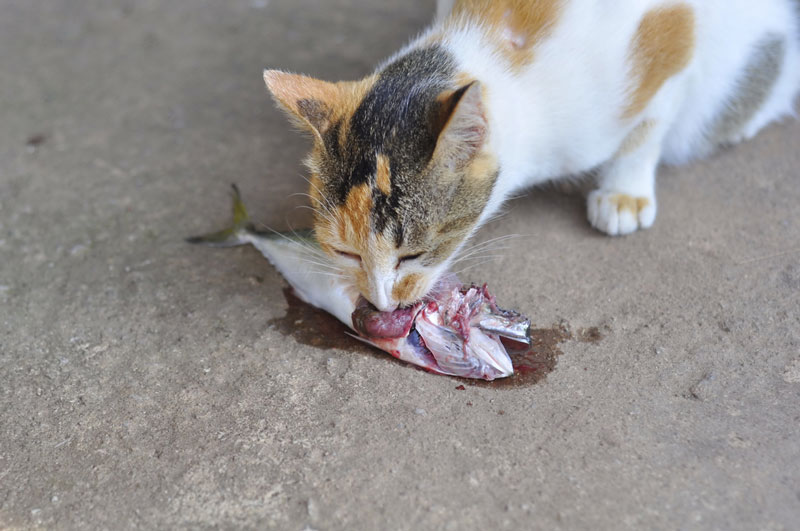
Have you ever wondered if your feline friend can enjoy a delicious treat like mackerel? Well, I’m here to answer your burning question: can cats eat mackerel? The short answer is yes! Mackerel is packed with nutrients that can be beneficial to your cat’s health, making it a tasty addition to their diet. However, like anything else, moderation is key.
Isn’t it exciting to think about sharing a delightful seafood experience with your kitty? Cats are obligate carnivores, which means they thrive on meat. Mackerel is a great source of proteins and healthy fats that can help keep their coat shiny and their energy levels up. Not only is it rich in omega-3 fatty acids, but it also contains essential vitamins and minerals that are good for their overall health. But before you whip out that can of mackerel, there are some important factors to consider.
Curious to learn more about feeding mackerel to your cat? Stick around as we explore the right amounts, benefits, and potential risks of mackerel in our feline friends’ diets. We’ll also touch on tasty substitutes for those moments when you want to switch things up! Let’s get started!
You might also be interested in: Can Cats Eat Goldfish?
Can Cats Eat Mackerel?
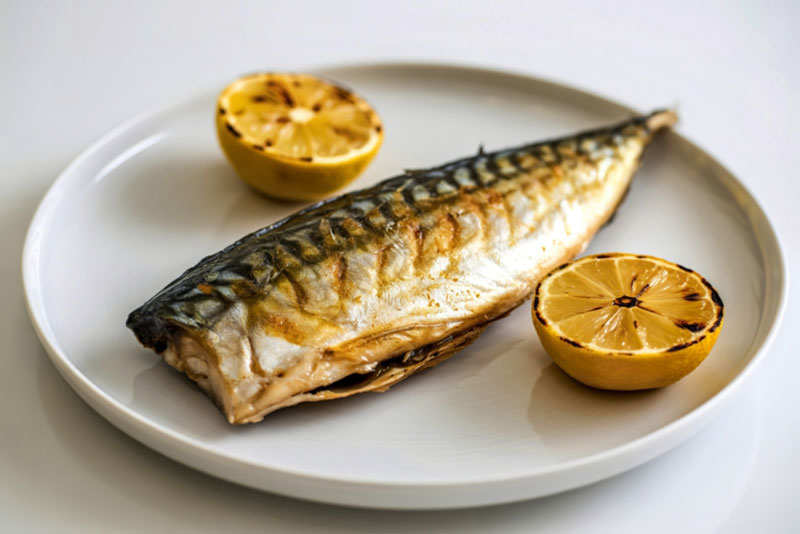
Yes, cats can indeed eat mackerel! This tasty fish is not just a favorite for humans, but cats absolutely adore it too. As we mentioned, mackerel is rich in protein and healthy fats, making it a great option for your furry friend. Not only does it offer them a flavor party in their mouths, but it also helps to keep them healthy and energized.
Mackerel contains omega-3 fatty acids, which play a significant role in your cat’s health. It supports their immune system, promotes a healthy coat and skin, and provides anti-inflammatory benefits. When considering mackerel for your cat’s diet, it’s important to choose fresh or canned varieties that are packed in water or their own juices rather than oil or sauces that might contain harmful ingredients like garlic or onion.
While many cats can comfortably digest mackerel, individual sensitivities may vary. If it’s your cat’s first time trying it, introduce this fish slowly and in small amounts to see how they react. Some cats might experience digestive issues like an upset tummy or diarrhea if they aren’t used to fish. So, being cautious is always wise!
How Much Mackerel Can Cats Eat?
When it comes to portion sizes, we want to make sure our feline companions enjoy mackerel without going overboard. It’s essential to keep the serving sizes reasonable! Mackerel should only be an occasional treat, not a staple of their diet. For most cats, a small portion of mackerel—about half an ounce to one ounce—once or twice a week is a good guideline. You can adjust the amount based on your cat’s size, activity level, and overall health.
To make it easier, here’s a simple way to incorporate mackerel into your cat’s diet. If your chef skills are up to par, consider cooking or lightly steaming the fish before feeding it to your kitty. Avoid using any oils, seasonings, or marinades that could harm them. If you’re using canned mackerel, rinse it off first to get rid of any preservatives or salt that could upset their tummy.
Always remember, introducing any new food requires monitoring. After you feed them mackerel for the first time, keep an eye on their behavior and health. If they seem to be feeling fine and enjoying the delicious treat, you can make it a fun addition to their diet from time to time! But if you notice any adverse reactions, be sure to consult your vet. It’s all about keeping them happy and healthy while satisfying their taste buds!
Benefits Of Mackerel To Cats
1. Protein Powerhouse: Mackerel is rich in protein, which is essential for our cats. Protein helps in tissue repair, muscle development, and maintaining a strong immune system. Since cats are meat-eaters by nature, adding protein-rich mackerel into their diet can keep them full of energy and vitality!
2. Healthy Fats: This fish is an excellent source of omega-3 fatty acids. These healthy fats not only help improve your cat’s coat and skin health, but also have anti-inflammatory properties that can promote joint health in older cats or those with arthritis.
3. Cognitive Function: The omega-3s found in mackerel also play a role in maintaining your cat’s cognitive function. Ensuring your cat gets enough nutrients throughout their life supports their brain health and helps prevent cognitive decline as they age.
4. Heart Health: The nutrients in mackerel also benefit your cat’s heart. Omega-3 fatty acids have been shown to lower blood pressure and protect against heart disease. By including mackerel in moderation, you may help support a healthy heart for your furry companion.
5. Calcium and Minerals: Mackerel provides vital vitamins and minerals as well, including vitamin D, selenium, and magnesium. These nutrients contribute to bone health, support metabolism, and help maintain overall feline well-being. A happy cat is a sturdy cat!
Dangers Of Feeding Mackerel To Cats
While mackerel has a lot to offer our kitty friends, we must also be aware of some potential risks. One significant concern is mercury content. Fish, especially certain types, can accumulate high levels of mercury, which can be harmful to our pets. Although mackerel has a relatively moderate mercury level compared to larger fish, it is advisable to limit consumption.
Another important factor to consider is food allergies. Just like humans, some cats can have sensitivities to specific seafood. If your cat exhibits symptoms such as vomiting, diarrhea, or hives after trying mackerel, you should consult with your vet. It’s essential to be aware of what our kitties are putting in their tummies!
Salt is another factor to keep in mind, particularly if you’re feeding canned mackerel. High salt content can lead to dehydration or even sodium ion poisoning in our furry friends. Always opt for mackerel that is packed in water with no added salt. It’s better to play it safe than sorry!
Lastly, remember that mackerel is a rich food. High-fat content could lead to weight gain or other health problems if fed in excess. Just because they beg for more doesn’t mean it’s a good idea! Portion control is key in keeping our cats fit and healthy.
Substitute Of Mackerel For Cats
1. Chicken: Cooked chicken is a great alternative to fish! It’s high in protein, low in fat, and usually well-tolerated by cats. Plus, they love the taste!
2. Turkey: Another poultry option, turkey provides similar benefits as chicken and serves as a tasty substitute cats often find irresistible.
3. Salmon: While still a fish, salmon can be another delightful seafood treat for cats. Like mackerel, it’s high in omega-3 fatty acids and can help promote a shiny coat.
4. Tuna: While an occasional treat is okay, tuna is high in mercury and should be consumed in moderation. Whether it’s fresh or canned, cats usually can’t resist the aroma of tuna!
5. Commercial Cat Food: The pet food aisle offers many nutritious options packed with protein and essential nutrients. Choosing high-quality commercial cat food may ensure your feline buddy is getting the right blend of what they need without the worry of cooking and preparation!
Can Cats Eat Mackerel? Frequently Asked Questions
Can I Feed My Cat Mackerel Skin?
Yes, mackerel skin is safe for cats, but it should be prepared and served without any additional seasonings or oils. The skin can be a good source of nutrients, too!
Is Mackerel Safe For Pregnant Or Nursing Cats?
Most of the time, mackerel can be safe for pregnant or nursing cats, but it’s best to consult your veterinarian for tailored advice based on your cat’s specific needs.
How Should I Cook Mackerel For My Cat?
The best way to cook mackerel for your cat is to bake or steam it without any oil or seasoning. This way, all the beneficial nutrients stay intact, and it will be easier for your kitty to digest!
Can I Give My Cat Mackerel Every Day?
Mackerel should be given as an occasional treat, not daily. Too much can lead to nutritional imbalances or digestive problems. Moderation is key!
What If My Cat Doesn’t Like Mackerel?
If your cat’s a no-go on mackerel, don’t worry! There are plenty of other tasty options to explore, like chicken, turkey, or even some cat-safe fruits and veggies!
Final Thoughts
Feeding your cat mackerel can be a delightful way to add variety to their diet. It’s packed full of essential nutrients and can provide health benefits too! Just remember moderation and balance are key factors when introducing any new food into their meals!
In our journey as pet parents, we find that knowing what to feed our furry companions takes time. The more we learn, the better choices we make for their health! So, if you’re interested in additional topics like can cats eat smoked salmon, feel free to explore our blog for more delightful and informative reads!