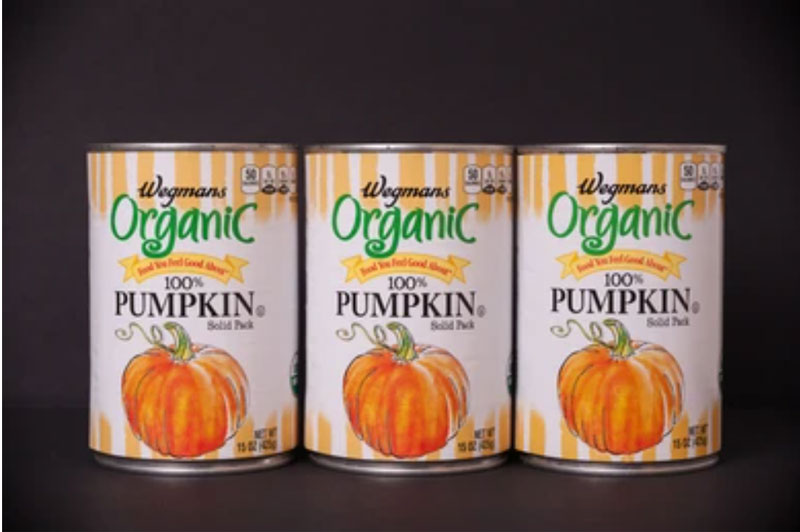
Have you ever wondered if your fluffy feline friend can enjoy a tasty treat like canned pumpkin? The good news is, yes, cats can eat canned pumpkin! This nutritious snack can actually provide some health benefits for our furry companions when given in moderation. So, if you’ve got some pumpkin leftover from your last baking adventure, you might be able to share a spoonful or two with your kitty.
Just like humans, cats can benefit from certain fruits and vegetables in their diet. Canned pumpkin is rich in fiber and packed with vitamins, making it a great addition to your cat’s meals. It’s not only a fun way to mix up their routine diet, but it also helps with digestion. So, if your cat has been a bit, shall we say, “stopped up,” a little canned pumpkin could help get things moving!
Keep reading to find out more about the ins and outs of feeding your cat canned pumpkin. You’ll learn how much is appropriate, the benefits and potential risks, as well as some great substitutes if your cat has a sensitive tummy. Let’s make sure our furry friends stay happy and healthy!
You might also be interested in: Can Cats Eat Pumpkin Pie?
Can Cats Eat Canned Pumpkin?

Absolutely! Canned pumpkin is safe for cats to eat and can even be quite beneficial for them. But what makes it such a good choice? Let’s take a closer look. First off, canned pumpkin is not the same as pumpkin pie filling. When we talk about canned pumpkin, we mean the pureed form of pumpkin with no added spices, sugars, or preservatives. It’s essential to ensure that we only feed our cats pure pumpkin, as the other ingredients found in pumpkin pie filling can be harmful to them.
Now, before we go on serving our wonderful cats some canned pumpkin, let’s explore why this tasty vegetable might be a good addition to our pets’ diets. One of the primary reasons to feed our cats canned pumpkin is its high fiber content. Fiber can help regulate our cat’s gastrointestinal tract, which can be particularly useful if they’re having issues like constipation or diarrhea. The fiber helps absorb excess water in the digestive tract, assisting in the formation of solid stools and alleviating occasional digestive upset.
In addition to fiber, canned pumpkin is rich in vitamins A, C, and E, all of which can promote a healthy immune system and keep our cats looking and feeling their best. Vitamin A is crucial for good vision, while vitamin E plays an essential role in overall skin and coat health. With such a nutritious profile, it’s no wonder many cat parents consider adding this simple ingredient to their cat’s diet!
However, moderation is key. While our kitties might enjoy that creamy goodness, we should only use it as an occasional treat. A little bit goes a long way, and if we give them too much, we could end up causing some digestive issues instead of solving them. Always consult your vet before making significant changes to your cat’s diet, as each cat is different and may have unique dietary needs. Now that we have a good understanding of whether our cats can eat canned pumpkin, let’s talk about the right amount to serve.
How Much Canned Pumpkin Can Cats Eat?
When it comes to feeding our cats canned pumpkin, the golden rule is “everything in moderation!” So, how much canned pumpkin should we offer our feline companions? Generally, we should start with a small amount—around one teaspoon for an average-sized adult cat. If they seem to enjoy the taste and respond well to it, we can gradually increase the serving size to about one tablespoon per meal, a couple of times a week.
It’s essential to observe our cats to see how they react to the pumpkin. Each cat’s tolerance may vary. If our kitty is new to canned pumpkin, we might want to introduce it slowly, which can help prevent any digestive upset. Watch for any changes in their litter box habits or signs of discomfort after introducing this new treat. If everything seems to be going smoothly, we can feel good about continuing to add that little sprinkle of pumpkin goodness to their meals.
Remember that this is just a supplementary treat and should not replace a balanced diet. Treats should only account for about 10 percent of the daily calorie intake. The majority of our cats’ meals should come from high-quality cat food full of the nutrients they need to thrive. Canned pumpkin can be a fun and healthy addition, but it doesn’t replace the essential nutrients found in commercial cat food.
Always consult with a vet if we are unsure how much canned pumpkin is appropriate based on our cat’s unique dietary needs. Conditions like obesity, diabetes, or any underlying health issues can affect how much of this treat is appropriate for our pet. Our vet may suggest different quantities tailored to our cat’s specific situation and guiding us toward ensuring our furry friend remains healthy and happy.
So, to sum it all up, when we give our cat canned pumpkin, let’s kick things off with just one teaspoon and see how they respond. If they enjoy it and do well with it, we can increase it to one tablespoon a couple of times a week! We want to treat our furry felines right, and that’s truly the way to do it.
Benefits Of Canned Pumpkin To Cats
1. Digestive Health: One of the most well-known benefits of feeding our cats canned pumpkin is the positive impact it can have on their digestive health. As mentioned earlier, its high fiber content can help regulate our cat’s digestive system. For cats prone to hairballs or constipation, adding a bit of pumpkin to their diet can help them pass hairballs and firm up their stool, providing some relief from digestive discomfort.
2. Weight Management: Canned pumpkin is low in calories but high in fiber, making it an excellent addition for overweight cats. When our kitties feel full, they’re less likely to succumb to the cravings for high-calorie snacks. By adding a small amount of canned pumpkin to their meals, we can make their food more filling without overloading them on calories. This can help our cats maintain a healthy weight and reduce the risk of obesity-related health issues.
3. Nutritional Boost: Canned pumpkin packs a punch in vitamins! It contains vitamins A, C, and E, which are essential for keeping our cats healthy. Vitamin A promotes eye health, while vitamin C boosts the immune system. Meanwhile, vitamin E is excellent for maintaining healthy skin and a shiny coat. By adding canned pumpkin to our cat’s diet, we can ensure they are getting additional important nutrients that support their overall well-being.
4. Hydration Support: Staying hydrated is key for our kitties, especially in helping prevent urinary tract issues. Although cats are known for not drinking enough water, pumpkin is made up of about 90% water. This means feeding them canned pumpkin can help keep them hydrated and can be especially useful for cats who show little interest in drinking water on their own. When they eat canned pumpkin, they’re getting a bit of moisture that can complement their water intake.
5. A Fun Treat: Finally, let’s not forget that cats love variety! Introducing new tastes and textures can make mealtime more exciting for our kitties. Canned pumpkin can be used to entice picky eaters, and it can serve as a special reward on occasion. A fun treat can strengthen the bond between us and our feline companions. So, not only are we adding a nutritious ingredient to their diet, but we’re also creating positive experiences and making our cats happy!
Dangers Of Feeding Canned Pumpkin To Cats
While canned pumpkin holds great benefits for our cats, it is essential to be aware of some potential risks associated with feeding it to them. When we introduce new foods to our pets, we should always keep an eye out for any adverse reactions or side effects.
One primary concern is the risk of overfeeding. Cats are sensitive creatures with intricate digestive systems, and too much pumpkin can lead to gastrointestinal upset. Symptoms like vomiting, diarrhea, or stomach cramps may occur if we give our feline friends more canned pumpkin than their bodies can handle. Therefore, moderation is critical to relieving any potential issues. Always remember to start with a tiny amount and monitor for any issues that may arise.
Another concern regards potential allergies or food sensitivities. Each cat has its own unique body, and some may react poorly to pumpkin despite its generally safe reputation. If our kitty starts showing signs of allergic reactions, such as itching, rashes, or stomach issues, we should stop feeding them canned pumpkin immediately and consult a veterinarian for their expert advice.
We must be cautious about the type of canned pumpkin we select as well. Always choose pure canned pumpkin without any added sugars, spices, or preservatives. Ingredients like xylitol, which is commonly found in sugar-free products, are toxic for pets. Even though we typically wouldn’t reach for that type of formulation, it’s crucial to check labels carefully to avoid inadvertently exposing our cats to harmful substances. Remember, moderation and careful ingredient selection are essential!
Lastly, if our cats have pre-existing health conditions, we should consult with our veterinarian before introducing canned pumpkin into their diet. Conditions such as diabetes or pancreatitis can manifest differently, and a diet high in fiber, such as pumpkin, may not suit all cats. Our vet can provide personalized advice on how to proceed based on their individual health needs, making sure our furry companions remain healthy and happy!
Substitute Of Canned Pumpkin For Cats
1. Sweet Potato: If your cat has shown a dislike for pumpkin, a great substitute could be sweet potato. Like pumpkin, sweet potato is high in fiber, and it is packed with vitamins as well! It can offer a similar texture and sweetness that our kitties may enjoy. Just make sure to cook it thoroughly and mash it up before serving.
2. Carrots: Another vegetable that can be a fun alternative is carrots. Boiled or steamed and then mashed, they provide fiber and essential nutrients without any added sugars or unhealthy ingredients. Just be mindful to keep the pieces small and easy to chew, especially if you have an older cat with dental issues.
3. Zucchini: Believe it or not, zucchini can be a fantastic option for our cats! Chopped, cooked, and pureed zucchini can serve up vitamins and minerals while also adding moisture to their diet. It’s low in calories, making it the perfect addition to aid weight management in lazy kitties!
4. Green Beans: If we’re looking for a crunchy alternative, green beans can be a fun choice to add to their meals. They are low in calories and high in fiber, allegedly making them great for weight management too! Even picky cats might take a liking to this tasty treat if presented to them in the right way.
5. Commercial Pumpkin Treats: If you want something quick and easy, consider buying pre-made cat treats that incorporate pumpkin! These can be an excellent option for convenience, as they’re formulated with all the right ingredients designed for our feline friends. Just be sure to read the labels to ensure they contain healthy ingredients suitable for our cats.
Can Cats Eat Canned Pumpkin? Frequently Asked Questions
Is Canned Pumpkin Good For My Cat’s Coat?
Canned pumpkin is rich in nutrients like vitamin E, which can promote healthy skin and a shiny coat for our feline companions! As long as we offer it in moderation, it can be beneficial for maintaining their overall appearance.
How Often Can I Give My Cat Canned Pumpkin?
As mentioned, we can safely feed our cats canned pumpkin a couple of times a week. A teaspoon to a tablespoon is a good serving size, depending on the cat’s size and tolerance. It should remain an occasional treat rather than a staple.
Can My Cat Have Pumpkin Seeds Or Pumpkin Pie?
While pumpkin seeds are safe for cats in moderation, they can be challenging for our cats to digest. As for pumpkin pie, it’s best to avoid giving that to our cats due to sugar and other harmful ingredients, such as spices.
Can I Mix Canned Pumpkin Into My Cat’s Regular Food?
Yes! Mixing a bit of canned pumpkin with our cat’s regular food can make their meals more enjoyable and help with hydration. Just ensure that the added pumpkin is the pure kind without any extra ingredients!
Can Kittens Eat Canned Pumpkin?
While it’s generally safe for kittens to have a little pumpkin, we should be cautious due to their sensitive digestive systems. It’s best to wait until they are older and have established a more robust diet before introducing new foods like canned pumpkin.
Final Thoughts
In conclusion, it’s clear that canned pumpkin can be a delightful and nutritious treat for our beloved cats! From its digestive health benefits to its multitude of vitamins, this simple ingredient can enhance our pets’ well-being while also making mealtime more exciting.
As responsible cat owners, we should always keep moderation in mind and consult our veterinarian if ever in doubt about what’s suitable for our fur babies. Canned pumpkin offers some fantastic health benefits, but we want to remain aware of any potential risks as well. So, as long as we feed them appropriate amounts of pure canned pumpkin, we can enjoy treating our furry friends to a tasty and nutritious snack!
If you enjoyed this information, you might also like to explore more topics about pet care and nutrition. Check out articles on pet health tips or discover what happens if a kitty indulges in chocolate by reading about cats and butternut squash. Happy reading!