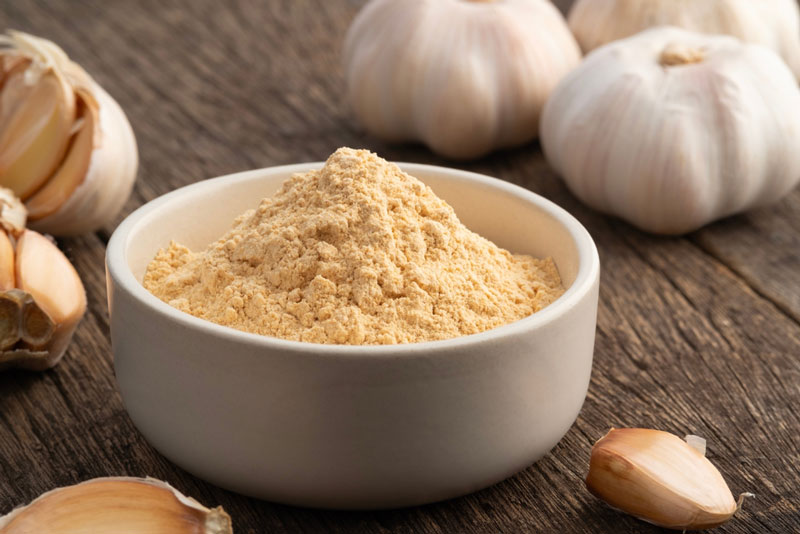
Have you ever wondered if it’s safe for our furry friends, especially our beloved felines, to munch on some garlic powder? The answer, unfortunately, is no, cats cannot eat garlic powder. Garlic belongs to the allium family, which includes onions, shallots, and leeks. These foods can be toxic to our cats and can lead to serious health issues.
Just imagine the disappointment on your cat’s face when you find out garlic powder is off the menu. It’s important that we pay attention to what we feed our pets, as they rely on us for their dietary needs. Garlic powder, in particular, should be avoided, as it can have harmful effects on our feline friends.
So don’t feel discouraged! We are here to provide you with all the information you need about garlic powder and its effects on cats. Stick around as we explore various aspects of garlic powder – from risks to substitutes and everything in between.
You might also be interested in: Can Cats Eat Jalapenos?
Can Cats Eat Garlic Powder?
When we think about cats and their diets, we often consider what they can eat versus what they should strictly avoid. Garlic powder is one of those things that must be kept far, far away from our feline companions because it’s toxic to them. Even though garlic is a popular seasoning in many of our meals, it does not translate well to the dinner plate of our cats.
Garlic contains compounds called thiosulfates, which are harmful to cats. When ingested, these compounds can cause oxidative damage to red blood cells, leading to hemolytic anemia. This can make your kitty feel weak, lethargic, and downright grumpy. The last thing we want is for our beloved pets to be feeling unwell!
Even small amounts of garlic powder can lead to gastrointestinal upset in cats. They can experience symptoms like vomiting, diarrhea, and abdominal pain. Larger quantities can result in more severe symptoms, affecting their red blood cells, and can even lead to hospitalization. So, it’s clear that garlic powder is definitely off the menu for our feline companions.
Now that we know garlic powder is harmful, it raises questions about what we can do to keep our cats safe. If we are fans of garlic in our cooking, we must be cautious and avoid any spills or leftovers that might tempt our curious cats. Keeping a close eye on our feline friends in the kitchen is essential to ensure they do not sneak a taste of that flavorful seasoning.
How Much Garlic Powder Can Cats Eat?
When it comes to garlic powder and its effect on our cats, the key factor is not just whether they can have it, but how much of it can be dangerous. Unfortunately, there’s not a safe amount of garlic powder we can feed to our kitties. Even small quantities can lead to undesirable health issues.
It’s important for us to understand just how sensitive cats can be to certain foods, especially foods that are safe for humans. For example, a quarter of a clove of garlic can be harmful to our furry pals, so you can only imagine the trouble a sprinkle of garlic powder can cause. Our cats’ systems are not equipped to handle these compounds, and the repercussions can be serious.
Most veterinarians recommend keeping garlic powder, as well as other allium vegetables, completely away from our cats’ diets. Prevention is key. We shouldn’t just keep it out of reach; we should also be vigilant about what we feed them. There are many other tasty treats out there that can satisfy their taste buds without putting their health at risk.
As responsible pet owners, we must pay attention to dog food and treats as well, as garlic is often included in some recipes for those dogs who can tolerate a safe amount. It’s imperative to read labels thoroughly and ensure that garlic is not present in any food we give to our pets.
If by any chance our cat accidentally consumes garlic powder or a food containing it, it’s crucial to contact our veterinarian immediately for advice. Depending on how much was consumed, the vet will provide guidelines on what steps need to be taken – whether it’s observation at home or immediate treatment.
Benefits Of Garlic Powder To Cats
1. When it comes to asking about the benefits of garlic powder for our cats, the short answer is that there really aren’t any positive benefits. Garlic powder is actually known for its potential health risks, leading us away from any notion of potential positive attributes.
2. We, as responsible cat owners, should understand the difference between what should and shouldn’t be included in our kitty’s diet. There are many healthier alternatives we can explore that provide beneficial nutrients without endangering their health, such as fish oil for healthy skin and coat or pumpkin for digestive health.
3. It’s also crucial to foster a balanced diet for our cats, which can help prevent the urge to experiment with risky foods like garlic powder. By feeding them high-quality cat food that meets their dietary needs, we can maintain their health and happiness.
4. Instead of garlic powder, we can try using cat-safe herbs such as catnip or parsley in moderation. This way, we keep their meals flavorful without any harm and create an environment full of love and care for our beloved cats.
5. Choosing to avoid garlic powder means we get to promote a healthier lifestyle for our fur babies. By educating ourselves and prioritizing their well-being, we can ensure they live longer, happier lives full of love and joy.
Dangers Of Feeding Garlic Powder To Cats
Understanding the risks and dangers of feeding garlic powder to our cats is vital for ensuring their safety and health. Garlic powder can lead to significant health consequences if ingested. These risks are not something we should brush off lightly, as they can seriously affect our furry friends.
As mentioned before, garlic contains thiosulfates, which are toxic to cats. The first indication of trouble may be lethargy. Our cats may become slower and less playful, which is a huge red flag that something isn’t right. If we notice that our cats are unusually quiet and seem uninterested in chasing their toys, it might be time to investigate their recent meals or snacks.
Another concerning symptom to watch for is gastrointestinal distress. If our cat starts vomiting or has diarrhea, it may signal that they’ve consumed something they shouldn’t have, such as garlic powder. Dehydration can set in quickly due to vomiting or diarrhea, so it’s vital to keep an eye on their water intake and consult the vet if these symptoms persist.
One of the more severe consequences of garlic consumption is hemolytic anemia. This condition occurs when the oxygen-carrying capacity of the cat’s red blood cells diminishes due to the oxidative damage caused by thiosulfates. If our cat starts displaying signs such as pale gums, rapid breathing, or weakness, we need to seek medical attention immediately. Our vet will likely run blood tests to assess their red blood cell levels and provide the necessary treatment.
The key takeaway is that feeding garlic powder to our cats should never be an option. We must keep garlic and all allium vegetables far away from their food bowls, ensuring they have a safe environment for satisfying their taste buds. Keeping our kitchens safe is essential, and we should always prioritize the health and happiness of our beloved pets.
Substitute Of Garlic Powder For Cats
1. Fish Oil: Since garlic powder is off the table for our feline friends, we can explore some excellent substitutes that not only taste great but also provide health benefits. One wonderful substitute is fish oil, which is known for promoting healthy skin and shiny coats for our cats.
2. Pumpkin: Another great option is pumpkin, which is full of fiber. Pumpkin is perfect for aiding digestion and can be a delightful treat for our kitties. They usually love the taste and texture, and it’s a healthy way to encourage good digestive health.
3. Catnip: We can also consider using catnip. Many cats adore catnip and it can make mealtime more exciting and enjoyable for them. This herb is known to provide euphoric effects on cats, leading to increased playfulness and happiness. Who wouldn’t want a playful kitty around?
4. Fresh Basil or Parsley: This can also be a safe way to add flavor to our cat’s meals. When used in moderation, these herbs are non-toxic and can offer a little extra zing to their dishes, making mealtime more enjoyable.
5. Cat-friendly and safe Foods: Always ensure we keep our substitutions cat-friendly and safe. Researching specific herbs or foods before introducing them to our feline friends is of utmost importance. With many safe and tasty alternatives to explore, we can enjoy cooking for our cats without worrying about their safety.
Can Cats Eat Garlic Powder? Frequently Asked Questions
Can Cats Eat Any Kind Of Garlic?
No, cats should not consume any kind of garlic. All forms of garlic, including garlic powder, are toxic to cats.
What Should I Do If My Cat Eats Garlic powder?
If your cat consumes garlic powder, it’s essential to consult a veterinarian immediately for guidance on the necessary steps to take.
How Can I Ensure My Cat’s Diet Is Safe?
Always read ingredient labels carefully, provide high-quality cat food, and avoid giving foods known to be toxic to cats.
Are There Any Symptoms Of Garlic Poisoning In Cats?
Symptoms of garlic poisoning include lethargy, vomiting, diarrhea, and pale gums. If you notice these symptoms, seek veterinary assistance right away.
What Are Some Safe Treats I Can Give My Cat?
Safe treats include small amounts of fish oil, pumpkin, or catnip. Always introduce new foods gradually and in moderation.
Final Thoughts
In conclusion, we must remember that our kitties rely on us to keep them safe and healthy. Garlic powder is a definite no-no, and there are plenty of benefits to steering clear of it. It’s not worth taking any risks with our beloved feline friends.
Instead, let’s focus on providing them with nutritious and safe options that will keep them happy and thriving. After all, our cats deserve nothing but the best. If you’re curious about other topics related to pet care, like if cats can eat garlic, feel free to check out these links for more fascinating information!
Happy feeding, everyone!